Maximizing Recovery Through Strategic Application of Active Release Techniques (ART)
You recover faster when Active Release Techniques (ART) are applied strategically to break up adhesions in muscles and fascia. Target areas like calves or shoulders early post-workout or during injury recovery. Combine ART with movement and recovery tools like bands or high-density balls for better tissue glide and flexibility. Customize session frequency-two to three times weekly when acute, then maintain with weekly visits. Athletes need sport-specific protocols, while active individuals benefit from moderate sessions focused on mobility. Avoid common errors like excessive pressure or incorrect motion direction to prevent microtrauma and boost effectiveness. Consistent, precise application yields measurable gains in pain reduction and range of motion-there’s more to optimizing your recovery just ahead.
Notable Insights
- Apply ART early post-injury or after intense training to prevent adhesion formation and accelerate recovery.
- Use precise pressure and controlled movement to break down soft tissue adhesions and restore normal muscle function.
- Combine ART with recovery tools like high-density balls and resistance bands for enhanced tissue release and mobility.
- Schedule frequent sessions initially (2–3 times weekly), then transition to maintenance mode as mobility improves.
- Integrate dynamic stretching and neuromuscular reeducation post-ART to optimize movement patterns and functional outcomes.
What Is ART and How It Speeds Recovery?
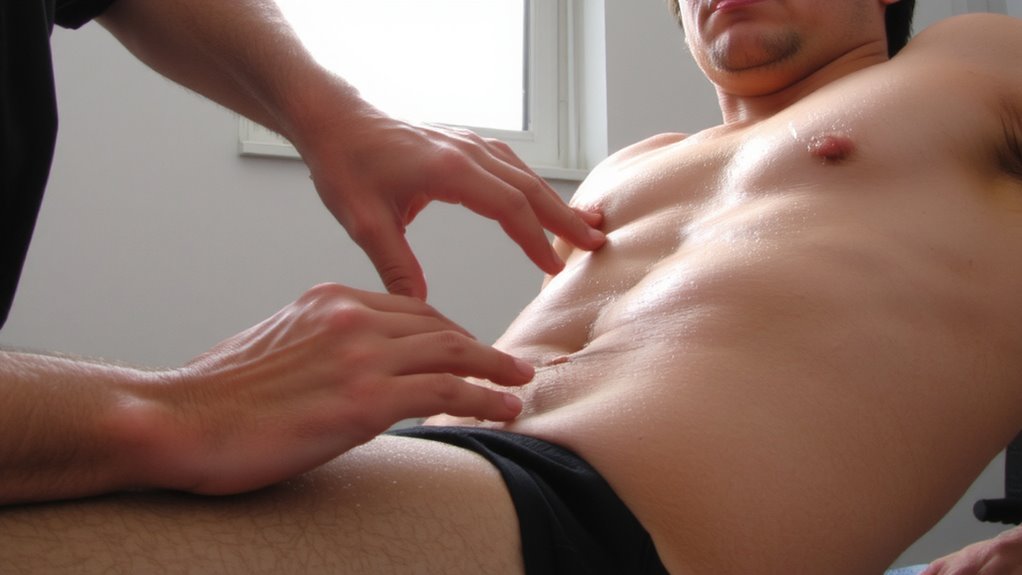
Recovery isn’t just about rest-it’s about what you do during that downtime. With Active Release Techniques (ART), you’re not just waiting to heal; you’re actively engaging in it. The definition of ART centers on manual therapy that treats soft tissue injuries by breaking adhesions and restoring normal movement. You apply precise pressure while moving the affected area, which boosts mechanism efficiency in muscle repair. This method enhances blood flow, reduces scar tissue, and accelerates recovery time. The benefits are clear: improved flexibility, decreased pain, and optimized neuromuscular function. Unlike passive recovery tools, ART demands participation, making it a dynamic choice among fitness recovery methods. While it doesn’t replace rest, its targeted approach outperforms many recovery aids in performance settings. When integrated consistently, ART increases tissue resilience, helping you return stronger-faster. Top-rated recovery tools can complement ART by supporting soft tissue maintenance between sessions.
Target Common Soft Tissue Restrictions
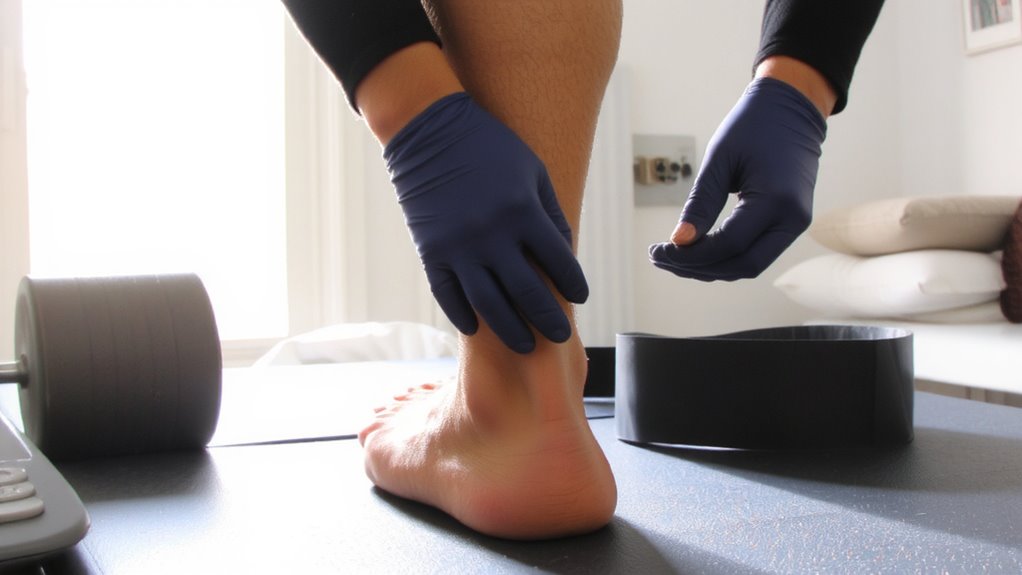
You’ve seen how Active Release Techniques (ART) actively boost recovery by addressing soft tissue damage at the source, but knowing where to focus that work makes all the difference. You’re most likely dealing with muscle adhesions-thickened tissue patches that restrict movement and irritate surrounding structures. These commonly form in overused or injured muscles, contributing to reduced flexibility and joint stiffness. Areas like the calves, hamstrings, shoulders, and forearms are frequent hotspots, especially in athletes or those with repetitive strain. ART helps break up these adhesions, restoring normal texture and motion to the tissue. When muscle glide improves, joint stiffness naturally decreases, enhancing overall mobility. You don’t just feel looser-you regain efficient movement patterns critical to performance and injury prevention. Targeting these specific restrictions strategically guarantees that your recovery isn’t just fast, but lasting, keeping your body functioning at its best without unnecessary downtime. Using high-density recovery balls for muscle relief can enhance the effectiveness of ART by providing targeted, sustained pressure to deep tissue layers.
When to Use ART for Best Results
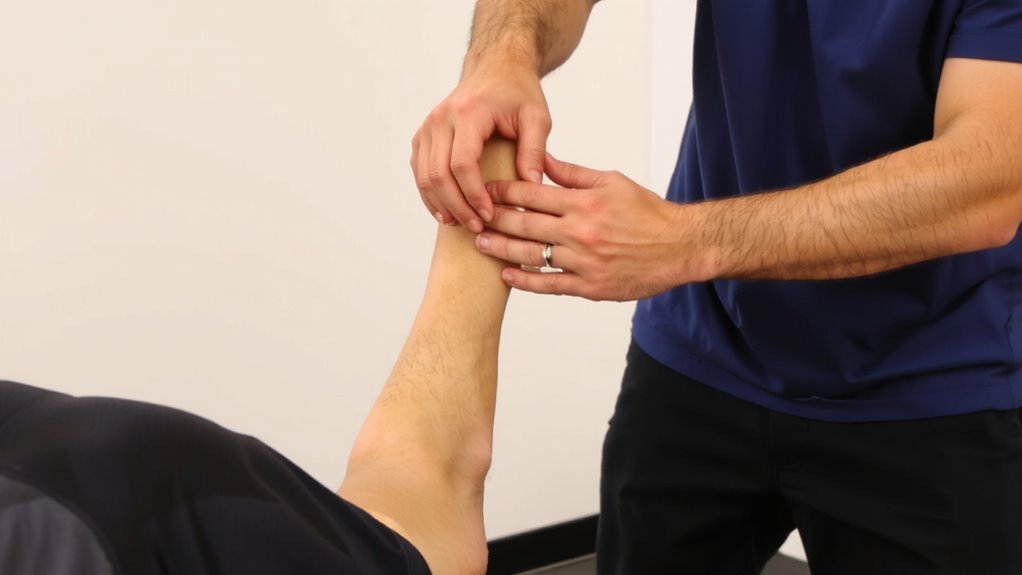
When should you actually use Active Release Techniques for best outcomes? Ideal timing plays a key role-apply ART when soft tissue restrictions are fresh, such as after intense workouts or early in injury recovery. Delaying treatment may allow adhesions to solidify, making release more challenging. You’ll get better results if you integrate ART before tissue mobility markedly declines. As for treatment frequency, consistent sessions-two to three times weekly during acute phases-yield faster improvements than sporadic use. Once mobility stabilizes, tapering to weekly or biweekly maintenance helps sustain gains. Unlike passive recovery tools, ART actively engages muscles during treatment, boosting circulation and neuromuscular feedback. While fitness gear like foam rollers offers general relief, ART’s precision demands professional application or skilled self-use. For lasting impact, don’t wait for pain to dictate timing; proactive use enhances tissue resilience. Pairing smart timing with appropriate frequency maximizes recovery efficiency and supports long-term tissue health.
Combine ART With Movement for Full Function
While ART effectively breaks down adhesions and restores soft tissue mobility, its full potential emerges only when paired with purposeful movement patterns. You’re not just releasing tension-you’re retraining your body to move efficiently. Integrating dynamic stretching immediately after ART enhances elasticity and prepares muscles for functional loads. This combo boosts circulation and improves range of motion in a way static methods can’t match. More importantly, you engage in neuromuscular reeducation, helping your nervous system relearn proper muscle activation sequences. Without it, old movement dysfunctions likely return. Think of ART as hitting reset, but movement as the new programming. Whether you’re using resistance bands or bodyweight drills, coordinated motion reinforces the gains. Ignoring movement limits recovery and undermines performance. The smart recovery plan doesn’t stop at release-yours shouldn’t either.
Customize ART for Athletes vs. Active Non-Athletes
Active Release Techniques don’t follow a one-size-fits-all model, especially when comparing athletes to active non-athletes-your training volume, injury history, and performance goals shape how ART should be applied. Athletes often need more aggressive, targeted sessions due to repetitive strain and higher physical output, requiring customized protocols that align with competition schedules and sport-specific demands. For active non-athletes, sessions tend to focus on general mobility and injury prevention, using individualized intensity to avoid overloading tissues not conditioned for extreme stress. Either way, effective ART hinges on precise tension and movement coordination, tailored to your body’s response. While fitness recovery gear can support self-care, it can’t replicate the adaptability of a skilled practitioner adjusting pressure in real time. Customized protocols guarantee maximum tissue release, while individualized intensity improves compliance and results across both groups.
Avoid These Common ART Mistakes
How often do you find yourself wincing through an ART session, wondering why the relief you expected isn’t showing up? Chances are, poor technique is to blame. Applying too much pressure too quickly or moving in the wrong direction can irritate tissues instead of releasing them. You’re not just wasting time-you might be causing microtrauma that slows recovery. Another common issue? Missed areas. Even experienced practitioners sometimes overlook adjacent muscles or fascial lines, leaving trigger points active and symptoms lingering. Without a systematic approach, you’re likely to miss key zones, especially in complex regions like the hip or shoulder. Using proper hand placement and slow, deliberate movements guarantees targeted engagement. Don’t assume more pressure equals better results-precision beats force every time. Avoiding these mistakes means more effective sessions and faster, lasting relief. Your body responds better when technique is consistent and thorough.
Track ART Progress With Pain and Mobility
What if the key to getting the most out of your ART sessions isn’t just in the treatment itself, but in how you measure its effects? Tracking your progress through pain levels and mobility tracking gives you real insight into recovery. You’ll notice subtle improvements day to day-less tenderness in tight areas, easier movement in restricted joints. Recording pain levels before and after each session helps you assess what’s working. Mobility tracking, like measuring range of motion in a shoulder or hip, provides objective data that feelings alone can’t. These metrics guide adjustments in frequency or pressure during treatment. Over time, consistent tracking reveals patterns, showing when you’ve hit plateaus or achieved milestones. It’s not just about feeling better-it’s about knowing you’re healing. When paired with quality recovery gear, like foam rollers or resistance bands, this data-driven approach maximizes results and keeps your recovery on course. Incorporating the right best recovery bands can further enhance tissue release and support faster muscle relief between ART sessions.
On a final note
You’re using ART to speed recovery, and it works-when applied strategically. By targeting soft tissue restrictions, you restore mobility faster than passive methods alone. Combined with movement, it rebuilds functional strength. Customizing it for athletes or active individuals improves outcomes, but mistakes like over-treating or poor timing reduce gains. Track pain and range of motion to gauge progress. Used correctly, ART isn’t just therapy-it’s smart recovery engineering with real results.