Developing Position-Specific Return-to-Play Protocols for Team Sport Athletes
You’re not fully prepared just because you’ve cleared strength benchmarks-position-specific demands like repeated sprints, sharp cuts, or cognitive load under fatigue dictate true readiness. Generic protocols overlook these, risking re-injury. By mapping your role’s movement patterns and integrating data from GPS, force plates, and wearables, your rehab can mirror real-game outputs. Clearance should hinge on position-tied metrics and staff alignment, ensuring you return not just fit, but game-ready.
Notable Insights
- Return-to-play protocols must account for position-specific physical and cognitive demands to ensure sport-ready readiness.
- Map injury recovery to exact on-field responsibilities, such as cutting for forwards or lateral agility for defenders.
- Use role-specific simulations to replicate real-game movement patterns, decision-making, and fatigue conditions.
- Progress athletes through reintegration phases tied to criterion-based benchmarks unique to their position’s performance profile.
- Leverage GPS, force plates, and wearable data to personalize timelines and align clearance decisions across staff roles.
Why Generic Return-to-Play Protocols Fail Athletes
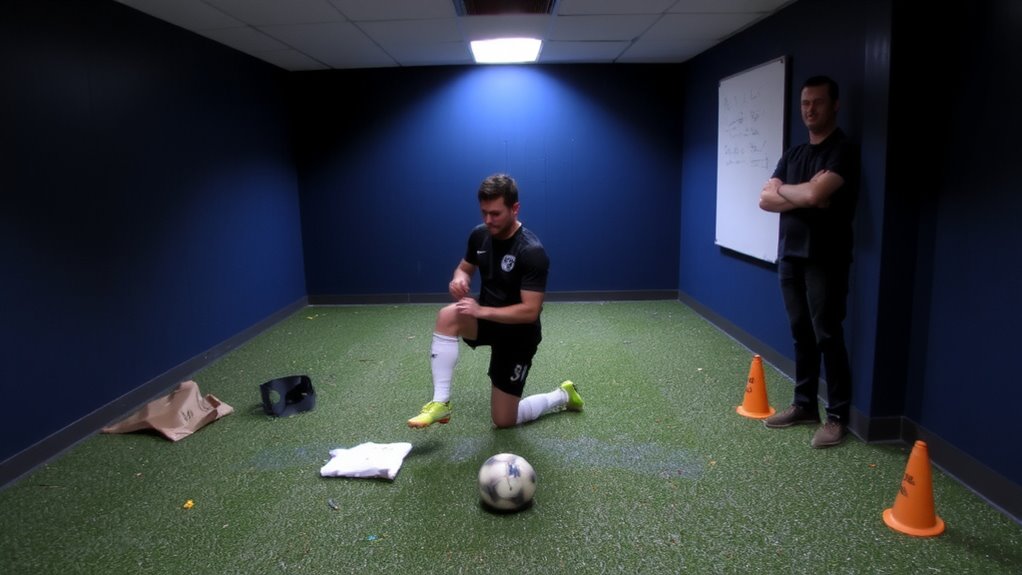
Why do so many athletes struggle to regain peak performance, even after clearing standard return-to-play checklists? Because generic protocols often overlook your psychological readiness and unique injury history. These one-size-fits-all approaches assess physical healing but miss the mental toll of re-injury fears or performance anxiety. You might pass strength tests, yet still hesitate during sharp cuts or explosive movements. Worse, past injuries aren’t treated as data points to tailor recovery-instead, they’re checked off without integrating their impact on current function. Position-specific demands aren’t considered, leaving gaps between clearance and real-world readiness. When protocols ignore context-like your role, movement patterns, or emotional barriers-they set you up for setbacks. True recovery isn’t just tissue healing; it’s confidence, decision-making, and trust in your body. Generic models fail because they don’t adapt to you.
Map Position Demands by Sport Role
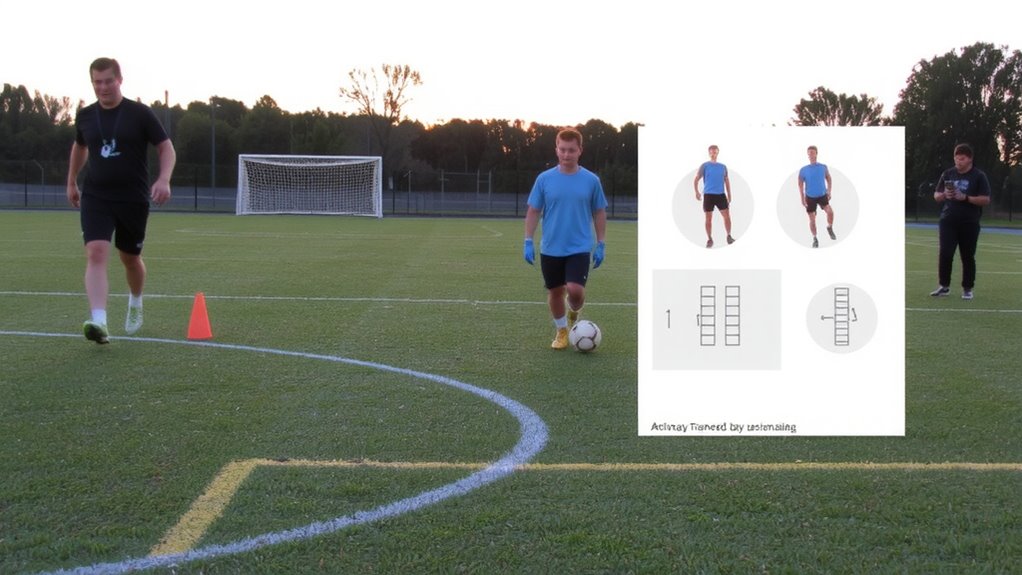
You’re not just recovering to move again-you’re recovering to perform in a specific role that demands precise physical and cognitive outputs. Every position in team sports carries unique movement patterns, intensity spikes, and decision-making loads, so rehab must reflect that. Using position profiles helps quantify these demands-whether you’re a quarterback reading defenses or a center midfielder covering miles at high intensity. These profiles inform targeted recovery strategies, ensuring you regain sport-specific endurance, agility, and neuromuscular control. Role simulation then bridges rehab and performance by replicating real-game scenarios, preparing your body and mind for exact on-field requirements. Generic drills won’t cut it; you need movements that mirror your role’s timing, direction changes, and cognitive load. When recovery integrates position profiles and role simulation, you don’t just return-you return ready.
Match Injuries to On-Field Responsibilities
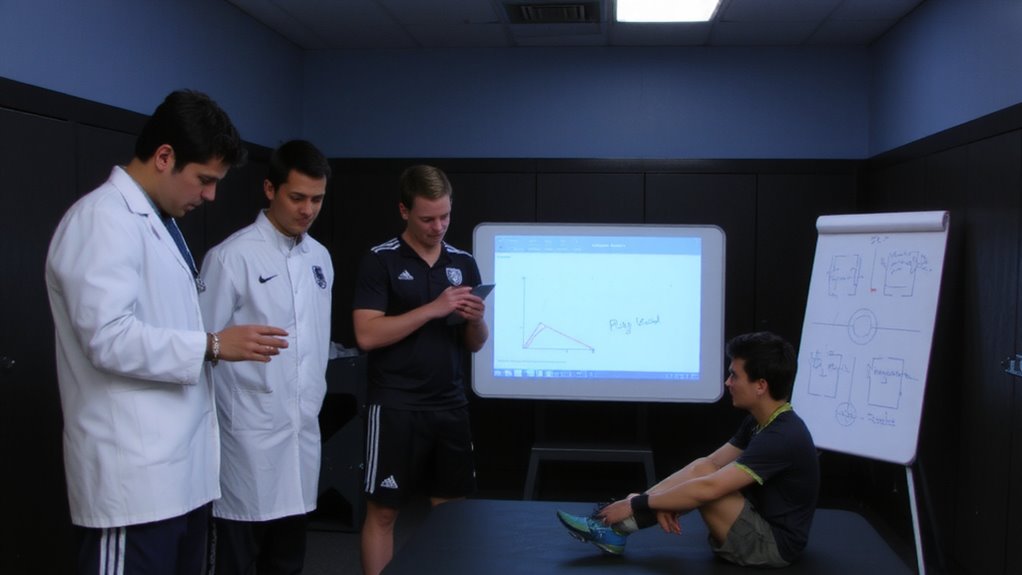
While your body heals, it’s critical to align recovery not just with the injury itself but with the exact duties your position demands on game day. Your injury history and any existing biomechanical asymmetry must inform how you reintegrate into sport-specific movements. A defender’s need for lateral stability differs vastly from a striker’s explosive sprints, so rehab must reflect those on-field responsibilities.
| Position | Key On-Field Demand |
|---|---|
| Defender | Lateral tracking, aerial duels |
| Midfielder | Repeated high-intensity runs |
| Forward | Acceleration, cutting |
Ignoring these distinctions risks re-injury, especially when biomechanical asymmetry persists. Past injuries may subtly alter movement patterns, making targeted assessment essential. You’re not just healing-you’re retraining your body to meet the physical stresses of your role.
Build Position-Specific Reintegration Phases
A well-structured reintegration plan acts as your roadmap back to full performance, and it should mirror the physical demands of your specific position. Your position roles dictate the nature of each reintegration stage-whether you’re a defender needing explosive starts or a midfielder requiring high-volume running. These phases must progressively replicate game-specific movement patterns, intensity, and decision-making. Early reintegration stages focus on regaining basic conditioning and neuromuscular control, while later ones integrate sport-specific drills under fatigue. You can’t afford generic protocols; position-specific workloads guarantee safe, effective shifts. Each stage should be criterion-based, meaning you advance only after meeting performance benchmarks tied to your role. This method improves functional readiness and reduces re-injury risk. Properly designed, these stages bridge rehab to competition by aligning physical gains with the dynamic demands of your position.
Use Data to Personalize Return Timelines
Most athletes recover at different rates, and treating return timelines as one-size-fits-all can do more harm than good. You know injury variability plays a big role-two hamstring strains can look identical on paper but require vastly different recovery paths. That’s where personalized data comes in. By tracking your athlete’s strength output, movement symmetry, and load tolerance, you can pinpoint realistic recovery benchmarks instead of guessing. GPS data, force plates, and even wearable muscle sensors help fine-tune progress, ensuring return timing aligns with actual readiness. Relying solely on calendar-based milestones risks re-injury or underperformance. Smart use of real-time metrics lets you adjust rehab intensity and duration with confidence. When data guides decisions, you’re not just managing recovery-you’re optimizing it. This approach respects individual healing patterns while maintaining competitive standards across positions.
Align Staff on Position-Based Clearance Goals
You’ve got the data to shape individual recovery paths, but without team-wide alignment, even the most precise metrics can fall flat. Staff coordination is critical-your physios, coaches, and performance leads must share the same position-based clearance goals. Goal alignment guarantees everyone evaluates readiness through the same lens, reducing miscommunication and inconsistent decisions. Below is a simple framework to standardize expectations across roles:
| Position | Clearance Authority |
|---|---|
| Linemen | S&C Coach + Physio |
| Skill Players | Head Coach + Med Team |
| Goalkeepers | Rehab Lead + Technical |
| Midfielders | Performance Director |
This structure reinforces accountability and streamlines decision-making. When staff coordination is clear and goal alignment is maintained, return-to-play shifts become more consistent, efficient, and positionally relevant-crucial for both athlete safety and team performance.
Measure Readiness With Game-Ready Metrics
What does it really mean to be game-ready? It’s not just about clearing physical tests-it’s about integrating position-specific intensity, decision-making under fatigue, and confidence in movement. You need metrics that reflect real match demands, like sprint repeatability for wingers or repeated jump capacity for centers. But don’t overlook player psychology; fear of re-injury can linger, especially with past injury stigma undermining trust in your process. Objective data from wearable tech-like GPS load and heart rate variability-helps validate readiness and reassures both athlete and staff. These game-ready metrics reduce bias and subjectivity, ensuring return isn’t rushed or delayed unnecessarily. When fitness recovery aligns with actual sport demands-and psychological barriers are addressed through transparency-you create a credible, position-tailored standard. That’s true readiness: measurable, repeatable, and mentally embraced.
On a final note
You’re not fully ready until your recovery matches the demands of your position. Generic return-to-play protocols miss critical movement patterns and intensity shifts unique to each role. By using position-specific drills, load-monitoring tech, and game-realistic simulations, you bridge the gap between rehab and performance. Fitness gear like GPS trackers and force plates sharpens decision-making. Ultimately, your comeback sticks when clearance aligns with actual play demands, not just time elapsed.