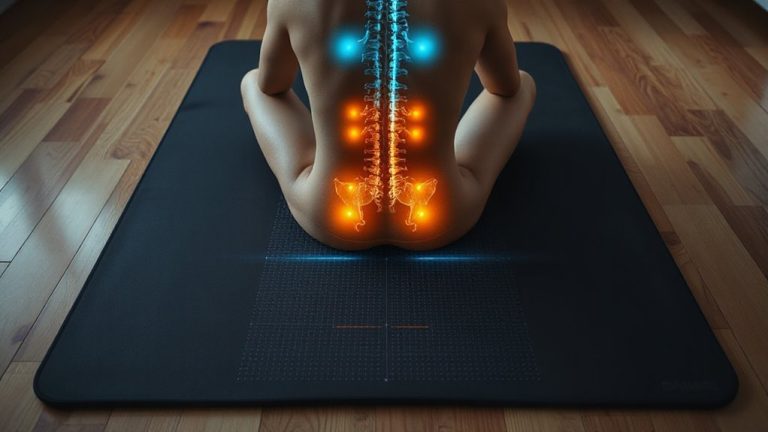
Qi Gong Exercises to Stimulate Circulation Without Joint Impact
You can boost circulation safely with gentle qigong movements that emphasize flow over force. Swirling wrists, ankle circles, and spinal waves stimulate blood without stressing joints, while diaphragmatic breathing enhances oxygen delivery and vascular function. These low-impact techniques improve microcirculation and joint lubrication through mindful repetition, making them ideal for recovery. Pairing breath with motion activates key energy channels, supporting long-term cardiovascular health-there’s more to discover about refining your daily routine.
Notable Insights
- Gentle wave-like motions in qigong enhance blood flow while minimizing joint impact.
- Diaphragmatic breathing boosts oxygen delivery and supports vascular relaxation without physical strain.
- Micro-movements in wrists and ankles stimulate microcirculation and reduce stagnation safely.
- Spinal undulation with weight shifting improves energy alignment and circulatory readiness.
- Practice anywhere in five minutes using posture awareness and breath to enhance circulation.
Start With a 3-Minute Qigong Warm-Up for Circulation

A quick 3-minute warm-up sets the foundation for effective qigong practice, especially when targeting circulation. You begin with gentle rotations to boost joint mobility, loosening wrists, ankles, neck, and knees through slow, mindful motions. These micro-movements stimulate synovial fluid flow, preparing connective tissues without strain. As you shift weight between feet and undulate the spine, you enhance energy alignment, guiding qi along meridians linked to cardiovascular function. This phase isn’t just physical-it primes your internal awareness, syncing breath with motion to optimize blood and energy flow. Unlike aggressive warm-ups, this method supports fitness recovery by minimizing joint stress while maximizing circulatory readiness. Practical and accessible, it fits easily into daily routines, especially when used with supportive recovery gear like compression sleeves or grounding mats. You’ll notice improved fluidity in subsequent forms, confirming the warm-up’s role in enhancing performance and sustaining long-term joint health.
How Qigong Moves Blood Without Hurting Joints

While conventional exercise often relies on intensity to drive circulation, qigong moves blood efficiently through low-impact, wave-like motions that support joint integrity. You engage the mind body connection to guide subtle, intentional movements that stimulate circulation without strain. These motions activate key energy pathways, like the Governing and Conception Vessels, promoting smoother blood flow. Unlike high-impact workouts that stress connective tissues, qigong uses rhythm and breath alignment to enhance vasodilation and microcirculation. You’ll find that consistent practice improves capillary recruitment and oxygen delivery, even with minimal exertion. Equipment isn’t needed-just proper posture and awareness. This makes qigong ideal for long-term fitness recovery, especially if joint sensitivity limits other forms of exercise. It’s not about strength or endurance; it’s about precision, control, and sustained aliveness through intelligent movement design.
3 Gentle Exercises to Boost Circulation Now

You’ve seen how qigong moves blood efficiently through mindful motion instead of force, protecting joints while enhancing circulation. Now, try gentle swirling wrists and ankles-small circles that wake up stagnant flow without strain. These movements boost microcirculation and are ideal when sitting for long periods. You’re not just warming tissues; you’re deepening the mind body connection, tuning into subtle shifts in warmth and sensation. Add slow shoulder rolls and neck glides, and you encourage better energy alignment, helping chi travel smoothly along meridians. Unlike high-impact recovery tools or expensive fitness gear, these exercises require nothing but your awareness. They’re effective not because they’re intense, but because they’re consistent and intentional. When done regularly, you’ll notice reduced stiffness and clearer mental focus. This isn’t just movement-it’s integrated conditioning, where form, breath, and purpose align to support lasting vascular health.
Do Your Qigong Routine Anywhere in 5 Minutes
Where can you find time for circulatory health amidst a packed schedule? You don’t need a studio or special gear-just five minutes and enough space to stand. Qigong’s minimal demands make it ideal for quick recovery between workouts or during work breaks, enhancing fitness recovery without strain. Focus on proper qigong posture to maintain balance and support energy alignment throughout your body. Consistency beats duration: short daily sessions outperform sporadic long ones. The table below outlines how to integrate practice into everyday moments:
| Location | Posture Focus | Alignment Benefit |
|---|---|---|
| Office corner | Weight in heels | Spine neutrality |
| Airport gate | Soft knee bend | Pelvic tilt correction |
| Living room | Shoulders relaxed | Crown lift for flow |
| Morning balcony | Feet parallel | Grounding and stability |
No fancy fitness gear needed-just your body and intent.
How Breath Control Enhances Blood Flow
Breath isn’t just air moving in and out-it’s a driving force behind circulation and recovery, working silently each time you inhale to boost oxygen delivery where your body needs it most. When you practice diaphragmatic breathing, you engage your belly deeply, creating a vacuum effect that pulls more air-and oxygen-into your lungs. This type of breathing enhances oxygen saturation in your blood, allowing for more efficient nutrient delivery to tissues and quicker removal of metabolic waste. Unlike shallow chest breathing, diaphragmatic breathing optimizes lung capacity and stimulates the parasympathetic nervous system, which supports vascular relaxation and steady blood flow. You don’t need fitness gear to harness this; just consistent, mindful breathwork. In recovery, this means less fatigue and better tissue repair. Proper breathing isn’t just supplemental-it’s foundational for circulatory health and long-term physiological resilience in low-impact practices like qigong.
Stay Consistent With Joint-Safe Qigong for Circulation
Regular practicing joint-safe qigong routines can greatly enhance circulation without straining vulnerable joints, making it especially effective for recovery and long-term fitness maintenance. You’ll find that consistent, daily sessions-just 15 to 20 minutes-support lasting improvements in vascular function and joint mobility. Mindful movement is key here; each deliberate motion encourages blood flow while reinforcing neuromuscular coordination. Over time, you’ll notice enhanced energy alignment, contributing to better posture and reduced fatigue. Unlike high-impact workouts or fitness gear that may overburden aging joints, qigong emphasizes low-intensity, sustained effort grounded in body awareness. This makes it ideal during rehabilitation or as preventive care. Performance depends less on equipment and more on discipline and form. When practiced regularly, joint-safe qigong doesn’t just maintain circulation-it optimizes it, offering measurable benefits in endurance, balance, and overall systemic resilience without wear and tear.
On a final note
You’ve seen how qigong boosts circulation gently, without stressing joints. These exercises, paired with controlled breathing, enhance blood flow efficiently. They’re practical, require no gear, and fit into tight schedules. Unlike high-impact recovery tools, qigong relies on precision, not force. Over time, consistency improves vascular function and joint mobility. It’s low-cost, scalable, and sustainable-ideal for long-term fitness recovery. You’re not just moving; you’re optimizing circulation safely, effectively.