Designing Recovery Protocols for Athletes With Chronic Health Conditions
You need recovery protocols that account for how chronic illness disrupts muscle repair, inflammation, and fatigue-generic methods often backfire by masking symptoms without fixing underlying issues. Standard cooldowns or compression gear can do more harm than good if not tailored. Smart tracking, medical collaboration, and condition-specific adjustments keep you training safely. Success lies in syncing health management with performance, using data to guide when to push or pause-discover how to refine this balance with the right strategies.
Notable Insights
- Recovery protocols must be personalized to account for altered physiology in chronic illness, not based on generic athlete templates.
- Integrate medical guidance with training plans through shared decision-making among athlete, coach, and healthcare provider.
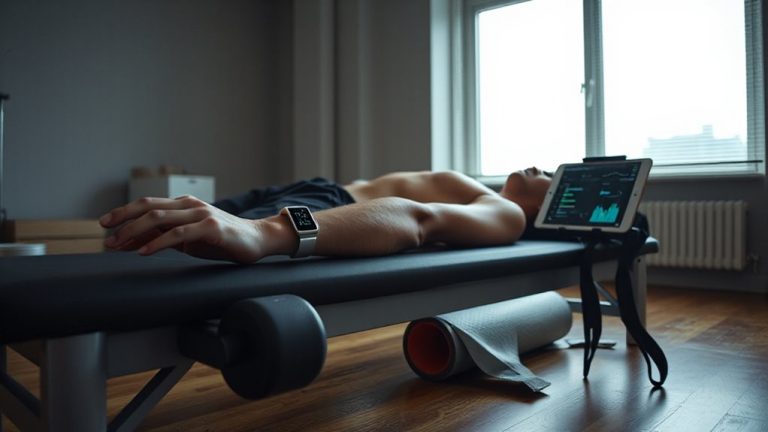
- Use wearable trackers to monitor heart rate variability and resting heart rate for objective fatigue assessment.
- Adapt recovery tools like compression or cryotherapy to individual conditions to avoid symptom exacerbation.
- Prioritize sleep quality, proactive hydration, and anti-inflammatory nutrition to support healing and performance stability.
Why Generic Recovery Fails Athletes With Chronic Illness
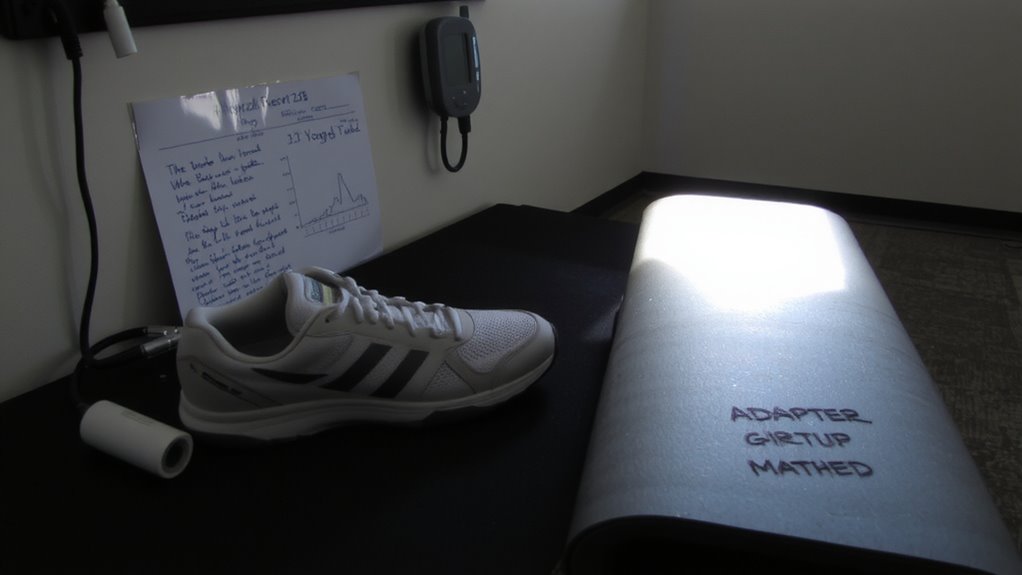
Why should you assume a recovery plan built for the average athlete will work when your body is managing the added strain of chronic illness? Generic protocols often ignore individual variability, treating all recovery as interchangeable. Your condition alters how muscles repair, how inflammation responds, and how fatigue accumulates-factors most plans don’t account for. Without customization, you risk symptom masking, where recovery tools like compression gear or cryotherapy temporarily dull discomfort without addressing underlying stress. That false sense of improvement can push you into overtraining, worsening flare-ups. Standardized cooldown routines or sleep schedules might work for healthy athletes, but they often fall short when chronic illness blunts physiological feedback. Recovery isn’t just about gear or timing-it’s about recognizing your body’s unique signals. Ignoring that leads not to resilience, but to setbacks masked as progress.
Bridging Doctor’s Advice and Training Goals
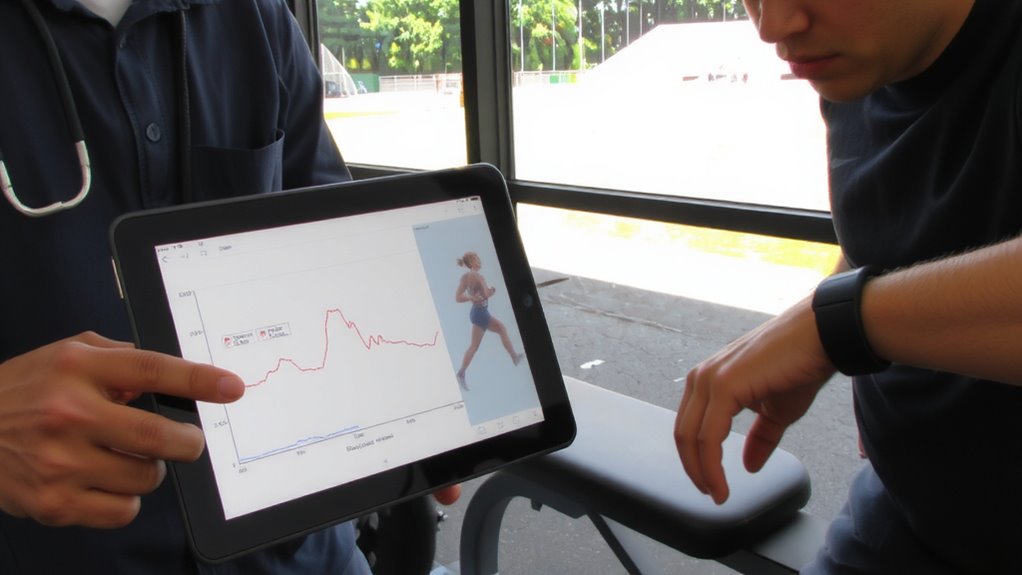
How do you balance the medical guidance from your doctor with the performance targets you’re aiming to hit? It starts with honest communication and shared decision-making. Medical compliance isn’t about blind obedience-it’s actively following prescribed treatments while understanding how they affect your training. When your recovery plan supports both health and performance, treatment alignment becomes achievable. This means syncing medication schedules, rest periods, and monitoring protocols with your workout intensity. You’ll need input from both your physician and coach to adjust timelines without compromising safety. Tools like heart rate variability trackers or wearable recovery monitors can provide objective data to justify adjustments. Ignoring medical advice risks setbacks, but rigid adherence without adaptation may limit progress. The smartest athletes find the overlap where health management fuels training resilience. That’s where sustainable gains begin.
Condition-Specific Recovery Protocols
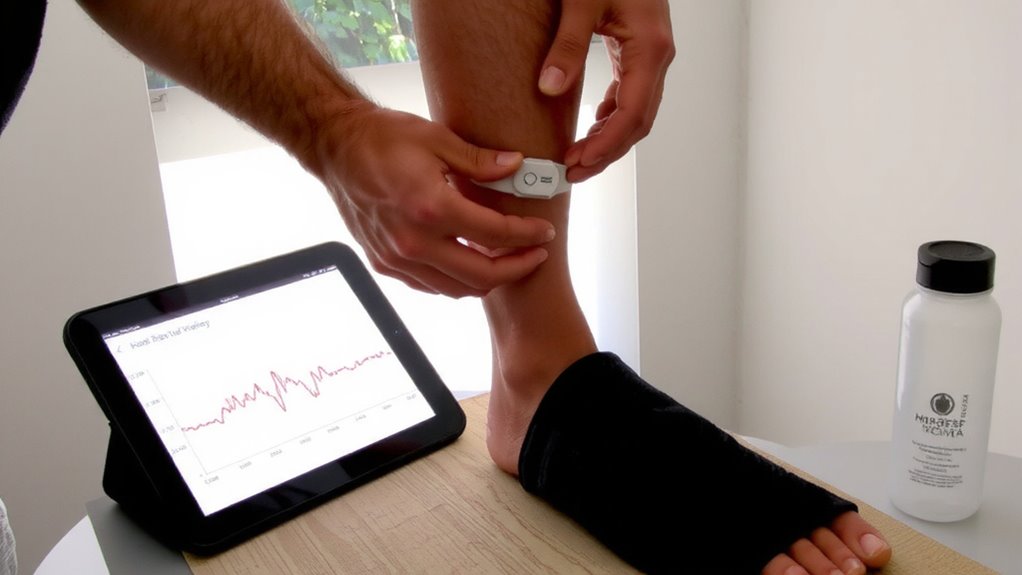
Although no two injuries or health conditions are exactly alike, your recovery strategy should be tailored like a precision tool-not a one-size-fits-all template. For chronic conditions like arthritis or post-concussion syndrome, adaptive pacing guarantees you balance activity and rest without triggering setbacks. You’ll need personalized monitoring-think wearable trackers or app-based logs-to capture subtle shifts in heart rate, sleep, or exertion. These tools help you adjust workouts in real time, aligning with your body’s signals. Unlike generic recovery gear, condition-specific protocols rely on data-driven decisions, not guesswork. Compression wear might aid lymphedema but could worsen Raynaud’s symptoms, so customization is key. Recovery isn’t just rest-it’s smart reintegration. By pairing medical guidance with responsive technology, you maintain progress while reducing risk. Adaptive pacing and personalized monitoring aren’t luxuries; they’re necessities for sustainable performance and long-term health in athletes managing chronic conditions. Top-rated options like the best recovery bands can enhance circulation and support muscle recovery when appropriately integrated into a data-informed protocol.
When to Push or Pause: Tracking Fatigue and Flare-Ups
Where do you draw the line between productive effort and harmful overreach? For athletes with chronic conditions, recognizing your injury thresholds is essential. Push too hard, and you risk flare-ups; ease off too much, and fitness gains stall. That’s where symptom journaling becomes crucial. Tracking daily fatigue, pain levels, and physical responses helps you spot patterns before they escalate. You’ll start seeing when a slight increase in training load leads to setbacks, allowing smarter adjustments. Wearable fitness gear can support this by monitoring heart rate variability and resting heart rate, but it’s no substitute for personal observation. Combine objective data with your journal to make informed push-or-pause decisions. Over time, this approach refines your recovery protocol, aligning effort with your body’s actual capacity-not just idealized expectations. Incorporating the right recovery tools can further enhance this process by supporting targeted muscle repair and reducing systemic inflammation, especially when guided by expert-recommended options like those in the Top Recovery Tools roundup.
Sleep, Hydration, and Nutrition for Recovery
You’ve learned to read your body’s signals and adjust your training to avoid setbacks, but recovery doesn’t stop at knowing when to pull back. Sleep quality is foundational-without consistent, deep sleep, your body can’t repair tissues or regulate inflammation effectively. Aim for 7–9 hours, and consider blackout curtains or white noise to improve rest. Hydration timing matters just as much as intake; drinking water steadily throughout the day supports circulation and joint lubrication, while a post-workout electrolyte boost aids faster reabsorption. Don’t rely on thirst alone-chronic conditions can dull this signal. Pair hydration with balanced meals rich in omega-3s, protein, and complex carbs to sustain energy and reduce recovery time. Though fitness gear like compression wear may offer comfort, it can’t replace these basics. Your recovery hinges on consistency, not gadgets. Prioritize sleep and smart hydration, and let nutrition reinforce the work you’ve already done.
Flexible Recovery Routines for Consistent Training
When recovery becomes predictable, it can actually hinder adaptation-so building flexibility into your routine isn’t just convenient, it’s strategic. You need adaptive pacing to match your body’s daily fluctuations, especially with a chronic condition. Some days call for light mobility work; others demand complete stillness. Tools like foam rollers or compression boots help, but only if you use them according to need, not a fixed schedule. Personalized rest means tuning into signals-fatigue, joint discomfort, energy levels-and adjusting accordingly. Static plans ignore this variability, risking overtraining or burnout. Recovery gear supports consistency, but only when applied thoughtfully. Monitoring heart rate variability or sleep quality can guide decisions, making routines responsive. The best protocols blend structure with spontaneity, letting you maintain training momentum without compromise. Flexibility isn’t lack of discipline-it’s smarter discipline. Incorporating evidence-based tools like Top Muscle Recovery Devices can enhance healing and support long-term athletic performance.
On a final note
You now see that effective recovery for athletes with chronic conditions isn’t one-size-fits-all-it demands personalization, monitoring, and smart gear integration. Wearable trackers, recovery-focused compression tools, and sleep aids help, but only when aligned with medical guidance. You must balance training with symptom awareness, adjusting in real time. Success lies not in intensity, but in consistency, precision, and listening to your body’s unique signals.