Strategies to Accelerate Protein Synthesis Processes Post-Intense Training Sessions Through Strategic Nutritional Support
You should time your post-workout nutrition within 45–90 minutes after intense training, when muscles are most receptive. Consume 20–30 grams of high-quality protein like whey or lean meat to maximize synthesis. Pair it with carbs in a 3:1 ratio to spike insulin and replenish glycogen. Include leucine-rich foods to activate mTOR and kickstart growth. Rehydrate with electrolytes to restore function. Do all this, and you’ll prime your body for faster, more effective recovery-they’re just the beginning of smarter gains.
Notable Insights
- Consume 20–30 grams of high-quality, fast-digesting protein within 45–90 minutes post-exercise to maximize muscle protein synthesis.
- Combine protein and carbohydrates in a 3:1 ratio to boost insulin-driven nutrient uptake and replenish glycogen stores efficiently.
- Include leucine-rich foods providing 2–3 grams of leucine to fully activate mTOR and stimulate muscle growth pathways.
- Time nutrient intake immediately after training to align with heightened muscle sensitivity and optimize recovery adaptations.
- Rehydrate with fluids and electrolytes promptly to maintain circulation, support nutrient delivery, and enhance muscle repair.
Time Your Post-Workout Nutrition for Faster Recovery

Why do so many lifters walk out of the gym with their gains already derailed? Poor meal timing sabotages recovery before it begins. You need to align nutrient spacing with your body’s heightened post-workout sensitivity. After intense training, muscles are primed to absorb nutrients, but if you delay your intake, you miss the ideal window for replenishing glycogen and kickstarting repair. Research shows that consuming a balanced mix of macronutrients within 45–90 minutes post-exercise maximizes protein synthesis. That’s not a myth-it’s physiology. Proper nutrient spacing guarantees a steady amino acid supply, preventing breakdown and supporting growth. You don’t need expensive recovery gear or gadgets; timing works better than any compression device. Strategic meal timing isn’t about rigid rules, but consistency. When you pair smart eating windows with training, recovery becomes predictable. Your results depend on it.
Eat High-Quality Protein Right After Training
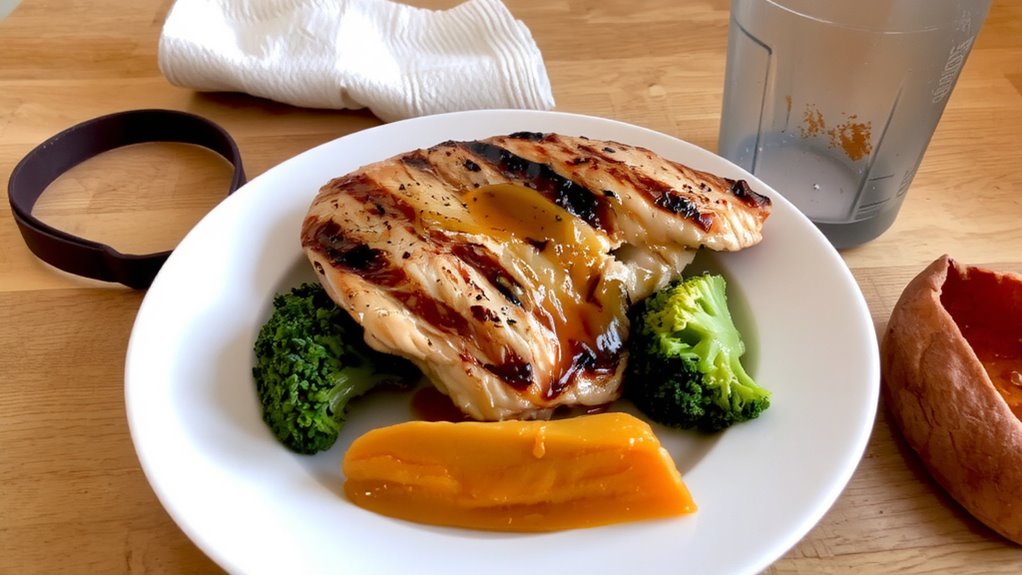
While your muscles are most receptive to repair immediately after a tough session, what you eat matters just as much as when you eat it. Prioritizing high-quality protein right post-training optimizes protein timing, kickstarting muscle repair when your body needs it most. You need complete proteins-like whey, eggs, or lean meat-because they deliver all essential amino acids efficiently. This boosts amino acid availability, fueling muscle protein synthesis and minimizing breakdown. Consuming 20–30 grams soon after exercise has been shown to maximize the anabolic response, especially when digestion is fast and absorption reliable. Delaying intake even by a couple of hours can dull this effect, reducing recovery speed. Unlike slower-digesting sources, rapidly absorbed proteins align with your body’s urgent need post-exercise. So don’t just focus on squeezing in reps-your recovery hinges on smart, immediate nutrition that supports structural and functional muscle rebuilding.
Combine Protein and Carbs in a 3:1 Ratio
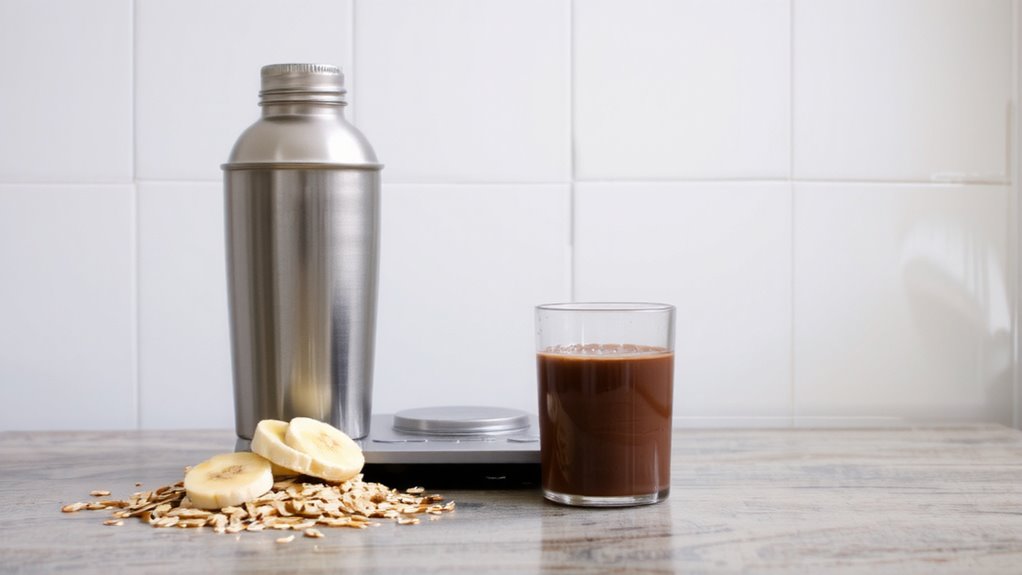
Pairing protein and carbs shortly after your workout in a 3:1 ratio isn’t just popular science-it’s a well-supported strategy to amplify recovery. You need this combo because carbs drive insulin optimization, which shuttles amino acids into muscle cells faster. That spike in insulin also accelerates glycogen replenishment, refilling what you burned during training. Without adequate glycogen stores, performance in your next session drops-so timing and ratio matter. Think of it like refueling a high-performance engine: the right fuel mix guarantees quicker turnover and less downtime. A post-workout shake with whey and dextrose, or a meal with chicken and sweet potato, hits this balance. Fitness gear may track your effort, but your recovery hinges on nutrition. Ignoring the 3:1 ratio means slower repair, prolonged fatigue, and suboptimal gains-even with top-tier supplements or recovery tech.
Fuel Growth With Leucine-Rich Foods
You’ve already optimized your post-workout window with the right balance of protein and carbs, setting the stage for efficient recovery. Now it’s time to amplify that effect with leucine-rich foods. Leucine triggers the key mechanism behind muscle growth by activating mTOR, a critical pathway in muscle signaling. Without sufficient leucine, even high protein intake may fall short in jump-starting synthesis. Foods like lean beef, eggs, Greek yogurt, and whey contain ample leucine to maximize this response. Aiming for 2–3 grams of leucine per meal guarantees you hit the threshold needed to stimulate repair. While recovery gear supports physical strain, nutrition drives cellular adaptation. Ignoring leucine’s role limits gains, no matter how advanced your fitness gear. Strategically including these foods post-training enhances signaling efficiency, turning effort into actual muscle growth.
Rehydrate to Speed Up Muscle Repair
Staying well-hydrated isn’t just about avoiding thirst-it’s a key factor in how fast your muscles recover after a tough workout. Proper fluid intake supports cellular function, nutrient transport, and metabolic waste removal-critical for repair. Without balanced hydration, even optimized nutrition can’t perform efficiently. Electrolyte balance guarantees nerves fire properly and muscles contract smoothly, reducing cramp risk and aiding recovery speed.
| Hydration Factor | Benefit |
|---|---|
| Adequate fluid intake | Maintains blood volume and oxygen delivery |
| Electrolyte balance | Prevents imbalances that delay repair |
Dehydration dulls performance and slows tissue regeneration. Fitness gear like sweat-monitoring wearables can help track fluid loss, but nothing replaces consistent sipping. Rehydrate early and consistently-don’t wait for thirst. Your recovery depends on it.
Prioritize Protein Synthesis Immediately Post-Workout
While the full benefits of training manifest during recovery, capitalizing on the post-workout window is critical for maximizing protein synthesis. You need to act fast-amino acid timing matters because muscles are primed to absorb nutrients right after exertion. Consuming a high-quality protein source within 30 to 45 minutes post-exercise boosts muscle repair and growth. Look for proteins with high digestibility, like whey isolate, since they’re broken down quickly and efficiently deliver amino acids to stressed muscles. Casein or plant-based blends digest slower, making them less ideal immediately post-workout. Pairing protein with fast-acting carbs enhances uptake even more. While fitness gear like foam rollers or compression wear supports physical recovery, it doesn’t replace strategic nutrition. You can optimize recovery protocols, but without attention to protein digestibility and amino acid timing, you’re missing a key leverage point in post-workout adaptation.
On a final note
You’ll get the most from recovery when you time nutrition right after intense training. Consuming high-quality protein and carbs in a 3:1 ratio boosts glycogen replenishment and muscle repair. Leucine-rich foods trigger protein synthesis effectively, while hydration supports metabolic clearance and tissue healing. Skipping this window slows progress. Strategic fueling isn’t just helpful-it’s essential for consistent gains, especially when paired with reliable recovery gear like compression tools or foam rollers that enhance circulation and reduce soreness.