Understanding the Impact of Sleep Disorders on Post-Workout Recovery Efficiency
You’re not recovering well if your sleep is disrupted, since disorders like apnea or insomnia impair deep sleep where muscle repair peaks. Without solid rest, protein synthesis drops and cortisol rises, undermining gains despite good nutrition or compression gear. Inflammation stays high, soreness lingers, and hormone imbalance slows recovery. Even with perfect workouts, your progress stalls without sleep quality. You’re missing a key piece of the fitness puzzle-keep going to see how to fix it.
Notable Insights
- Sleep disorders disrupt deep and REM sleep, impairing protein synthesis essential for muscle repair.
- Fragmented sleep reduces nitrogen retention, weakening recovery despite optimal nutrition or gear.
- Poor sleep elevates cortisol, promoting muscle breakdown and inhibiting strength gains.
- Inadequate rest increases inflammation and delays healing, leading to prolonged soreness and injury risk.
- Sleep apnea causes oxygen drops and fatigue, undermining workout performance and recovery efficiency.
How Sleep Disorders Block Muscle Recovery
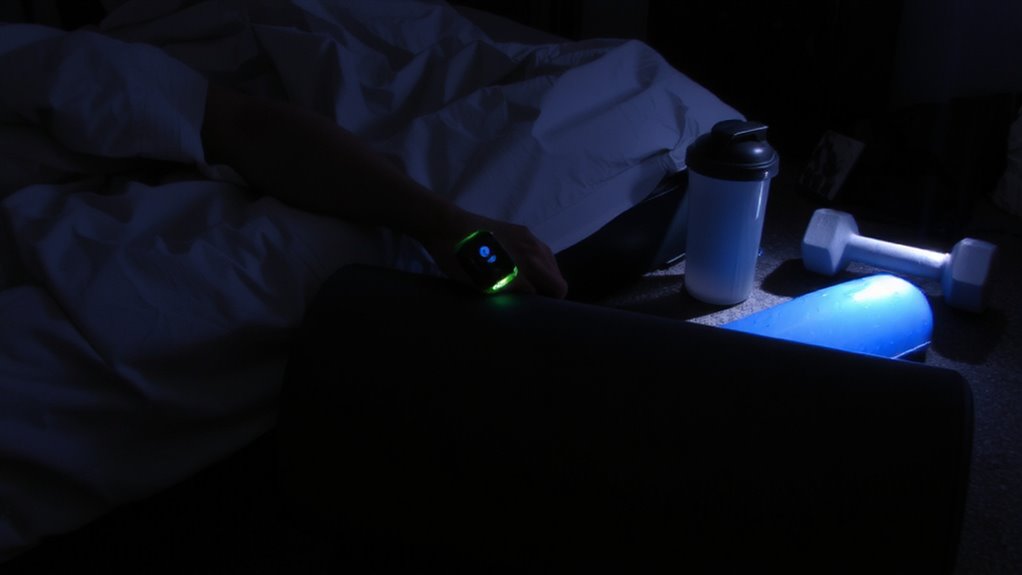
While you’re focused on hitting the gym hard and optimizing your fitness gear, poor sleep could quietly undermine your progress-especially when it comes to muscle recovery. Sleep disorders, particularly those causing REM disruption, interfere with the body’s ability to enter deep restorative phases. During these critical stages, protein synthesis peaks, allowing muscles stressed during workouts to repair and grow. Without consistent, high-quality sleep, this process slows dramatically, reducing gains and increasing soreness. You might invest in compression gear or advanced protein blends, but if REM cycles are fragmented, those tools lose effectiveness. Studies show disrupted sleep diminishes nitrogen retention, a key marker of protein synthesis. Fundamentally, your recovery system fails to reboot. So, while your fitness gear supports performance, neglecting sleep means missing the foundation of adaptation. Prioritizing sleep isn’t just complementary-it’s necessary for turning effort into results.
Why Poor Sleep Wrecks Hormone Balance After Workouts
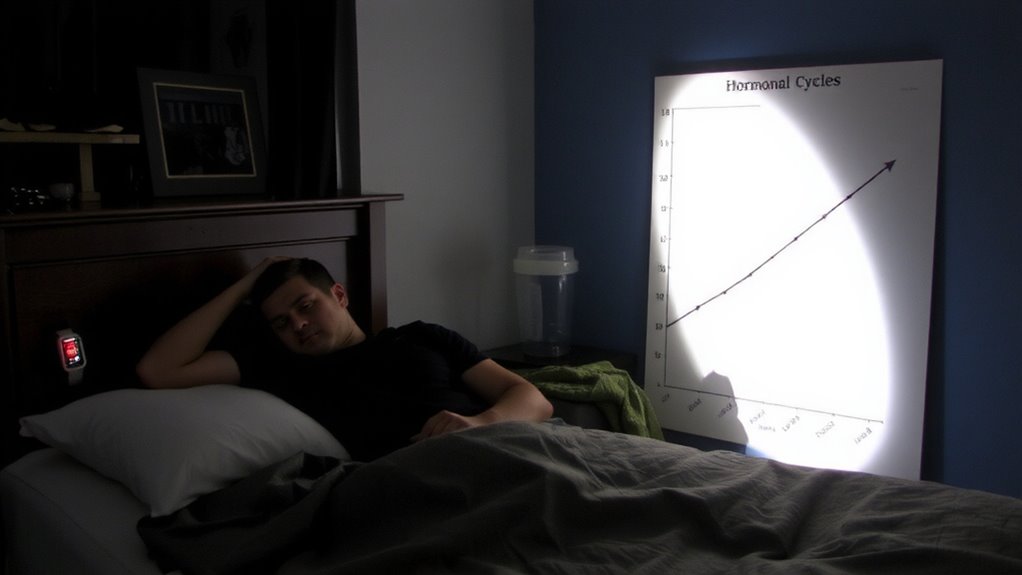
What if the real reason your recovery’s stalling isn’t your protein intake or rest day routine, but the quality of your sleep? Poor sleep disrupts key hormones needed after workouts. When you’re sleep-deprived, your body experiences higher cortisol spikes, which break down muscle instead of building it. This catabolic state undermines all your gym effort. Simultaneously, insulin resistance develops, impairing glucose uptake into muscles and reducing glycogen replenishment-critical for energy recovery. These hormonal imbalances mean slower repair, reduced strength gains, and increased fatigue. Even the best fitness gear won’t compensate for hormonal chaos caused by restless nights. Recovery isn’t just about compression shirts or foam rolling; it hinges on biological regulation. Without solid sleep, your endocrine system can’t reset. You’re fundamentally training hard but recovering poorly. Prioritize sleep to stabilize hormones, support metabolic function, and make your workouts actually count.
Inflammation: How Missing Sleep Slows Recovery
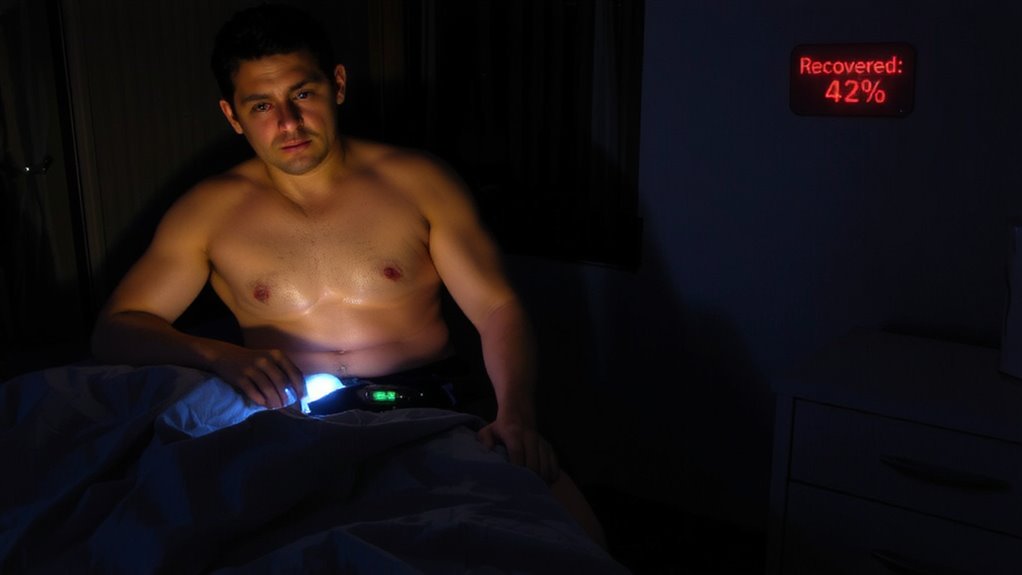
If you’re skipping sleep, you’re also letting inflammation run unchecked-undermining one of the most critical phases of recovery. Without sufficient rest, your body can’t properly regulate inflammatory markers like cytokines and C-reactive protein, leading to prolonged muscle soreness and delayed healing. This unchecked inflammation contributes to chronic fatigue, making it harder to maintain consistent training intensity. Worse, poor sleep triggers immune suppression, leaving you more vulnerable to illness and reducing your body’s ability to repair tissue after strenuous workouts. Even the best fitness gear won’t compensate for the physiological breakdown caused by sleep loss. Recovery isn’t just about protein or compression wear-it’s about creating internal conditions where healing can occur. Skimping on sleep disrupts that environment, turning minor soreness into lasting dysfunction and eroding your long-term performance gains.
Can Sleep Apnea Make Workouts Harder?
Could something like sleep apnea be sabotaging your workouts without you even realizing it? Absolutely. Sleep apnea causes repeated breathing interruptions throughout the night, disrupting your sleep architecture and reducing recovery quality. When your breathing pauses, your oxygen levels dip, forcing your body into a state of stress. This means less restorative deep sleep, which is critical for muscle repair and performance gains. Even if you’re logging eight hours, poor sleep quality leaves you fatigued. You’ll likely feel sluggish during workouts, struggle with intensity, and find it harder to push through challenging sets. Over time, this undermines endurance, strength development, and motivation. Without stable oxygen levels and consistent breathing, your body can’t properly fuel or recover from exertion. Treating sleep apnea isn’t just about better rest-it’s about accessing your fitness potential. Recovery isn’t just what you do after the gym; it starts the moment you close your eyes.
How Insomnia Sabotages Strength and Endurance
You’ve seen how disrupted breathing at night can compromise your workout performance, but what if the problem isn’t breathing-it’s simply not sleeping at all? Chronic insomnia directly impairs strength and endurance by limiting muscle repair and hormonal balance. Without deep, restorative sleep, your body can’t efficiently rebuild tissue or replenish energy stores. Mental fatigue increases, clouding focus during training and heightening injury risk. You’ll also notice reduced motivation, making tough sessions feel impossible. Recovery isn’t just about rest days-it’s about sleep quality. Choosing the right cervical pillow can significantly improve sleep posture and reduce neck pain, supporting more restful and restorative sleep.
| Factor | Impact on Recovery | Training Outcome |
|---|---|---|
| Poor Sleep Duration | Slows protein synthesis | Decreased strength gains |
| Mental Fatigue | Reduces neural drive | Lower endurance performance |
| Reduced Motivation | Impairs consistency | Stalled progress |
Track Sleep to Boost Post-Workout Recovery
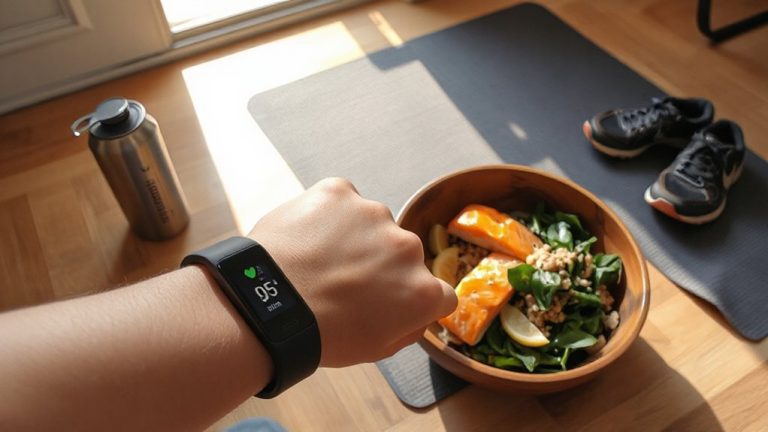
While simply logging your hours might seem basic, tracking sleep goes beyond counting sheep-it’s about understanding how your body recovers after intense training. Sleep tracking gives you concrete data on sleep stages, duration, and quality, helping identify patterns that affect recovery. You’ll notice how poor sleep correlates with sluggish performance or prolonged soreness. Devices like smartwatches and sleep monitors offer detailed insights into REM cycles and deep sleep, both critical for recovery optimization. They’re not just gadgets-they’re tools that, when used consistently, reveal how lifestyle choices impact rest. Accuracy varies by model, but top-tier trackers provide reliable trends over time. By monitoring your sleep, you gain control, adjusting habits to align with your fitness goals. Sleep tracking isn’t a luxury; it’s a practical step toward smarter recovery, letting you train harder and adapt faster-all backed by data you can use daily.
Sleep Better to Build Muscle Faster
If you’re serious about maximizing muscle growth, you can’t afford to overlook sleep, since it’s during deep rest that your body releases growth hormone and kicks into repair mode. Your muscles don’t grow during workouts-they grow afterward, through muscle synthesis, which peaks during quality sleep. Without enough rest, protein repair slows and recovery timing shifts, undermining your gains. Even the best fitness gear won’t compensate for poor sleep. Consistent, uninterrupted rest supports hormonal balance and metabolic efficiency, both essential for hypertrophy. Aim for 7–9 hours nightly, aligning with your body’s natural circadian rhythm. Consider tracking sleep stages to optimize rest periods when growth hormone surges. Prioritizing sleep isn’t passive-it’s an active recovery strategy. When you sleep better, you train harder and build muscle faster. Skimp on rest, and you’re leaving progress on the table.
On a final note
You’ll struggle to recover fully if sleep disorders go unchecked, since growth hormone release and muscle repair depend on deep, uninterrupted rest. Poor sleep disrupts cortisol and testosterone balance, worsening recovery time. Inflammation lingers, and endurance drops noticeably. Sleep apnea and insomnia undermine even the best fitness gear and routines. Tracking sleep patterns helps, but fixing the root issue-quality sleep-matters most. You can’t out-train chronic fatigue. Sleep better, recover faster, build strength smarter.