Unilateral Rowing Emphasis to Address Asymmetrical Muscle Imbalances Detected in Gait
You’re likely missing a key fix for gait imbalances if you’re skipping unilateral rows. They expose strength gaps between sides, especially when you emphasize scapular control and slow the eccentric phase. Variations like single-arm dumbbell rows with a neutral grip boost stability and reduce compensation. Performed with a 3-1-3 tempo, they enhance muscle balance more effectively than bilateral moves. Progress shows in smoother strides and better joint alignment-keep an eye on those changes to see real gains.
Notable Insights
- Unilateral rows help correct gait-related muscle imbalances by revealing and addressing strength differences between sides.
- Emphasizing scapular stability during rows improves neuromuscular control linked to balanced movement patterns.
- Eccentric control with slow lowering phases enhances joint integrity and muscle coordination.
- Using a neutral grip or towel handle increases back engagement while reducing shoulder strain.
- Replacing bilateral with unilateral rows ensures equal effort per side, promoting symmetrical strength development.
Spot Muscle Imbalances From Your Gait
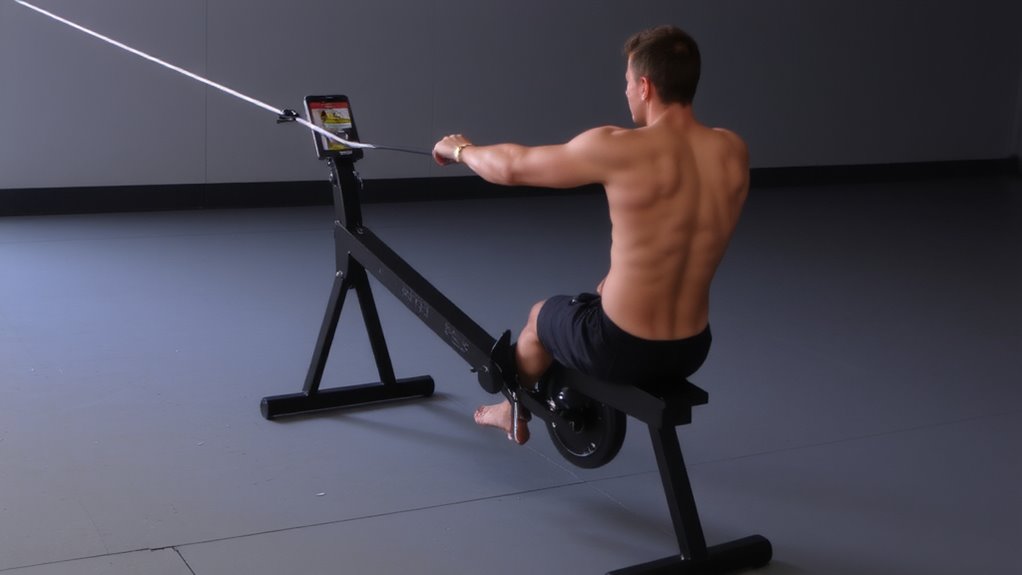
How often do you notice your body favoring one side over the other when you walk? Subtle shifts in posture or uneven weight distribution can signal underlying muscle imbalances. Gait analysis basics reveal these asymmetries by evaluating stride length, foot strike, and pelvic alignment. You might not feel pain, but over time, these irregularities strain joints and reduce movement efficiency. Footwear impact factors play a critical role-worn-out soles or improper arch support can exaggerate imbalances, distorting your natural gait. Stability shoes with motion control or custom orthotics often correct minor deviations, yet they’re not a cure-all. True correction starts with awareness and assessment. Video gait analysis, available at specialty running stores or physical therapy clinics, offers objective feedback. Combine this insight with mindful movement and proper recovery protocols. The right gear supports alignment, but only deliberate, informed habits restore balance.
Use Unilateral Rows to Fix Strength Gaps
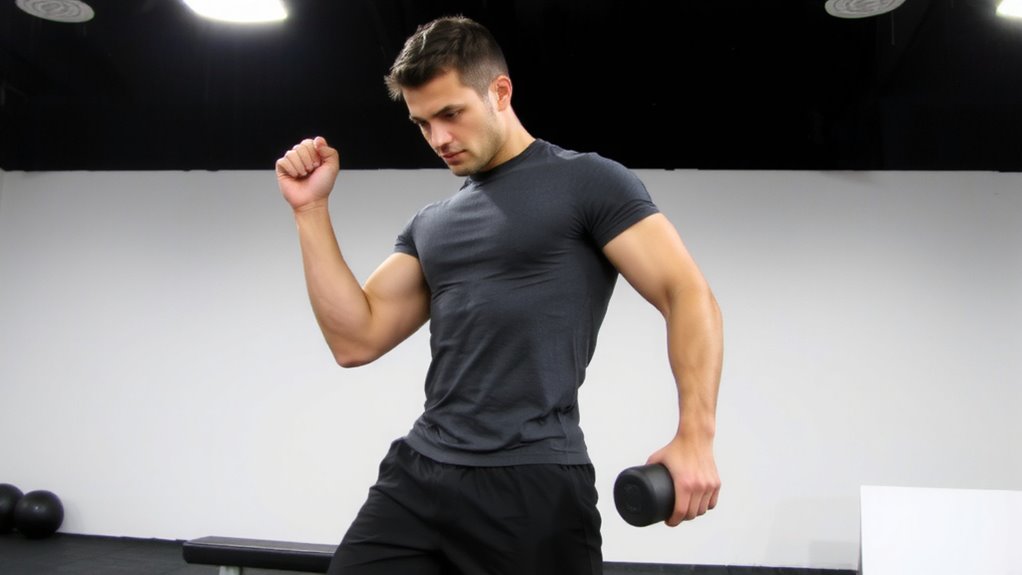
A well-executed unilateral row isn’t just a strength builder-it’s a diagnostic tool and a corrective strategy rolled into one. You’ll quickly notice strength gaps between sides, especially when emphasizing scapular stability and eccentric control. These rows force each arm to work independently, revealing weaknesses traditional lifts hide. By slowing the lowering phase, you develop greater eccentric control, which supports joint integrity during gait. Over time, this balance translates to smoother, more efficient movement patterns.
| Side | Reps Completed | Perceived Effort |
|---|---|---|
| Left | 8 | High |
| Right | 10 | Moderate |
| Left | 7 | Very High |
| Right | 9 | Moderate |
| Left | 8 | High |
Use this data to adjust volume and tempo, prioritizing form and stability over load.
Best Unilateral Rows for Gait Correction
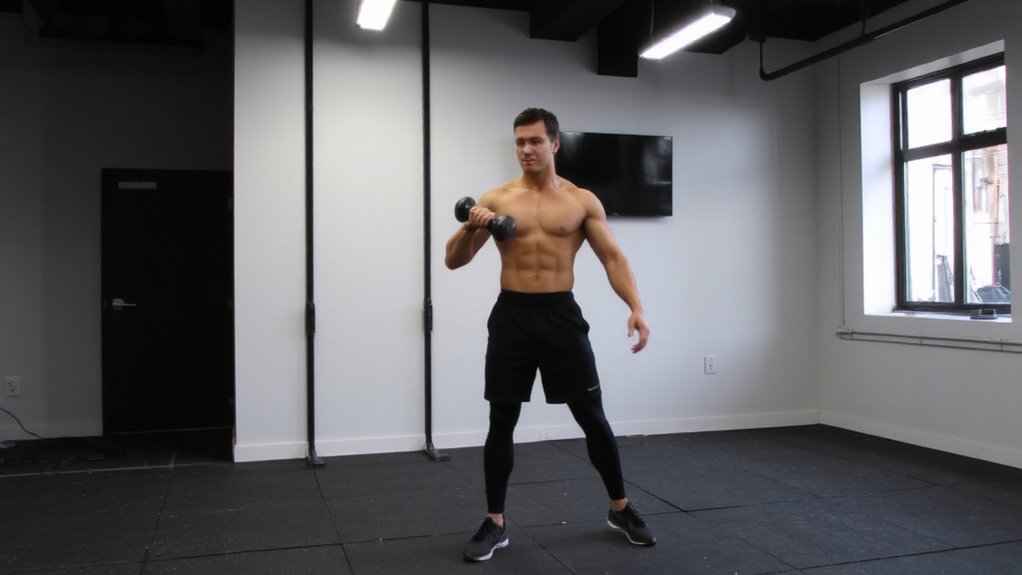
Why do some rows seem to correct gait issues more effectively than others? Because they emphasize scapular stabilization and control-key for balanced movement. You need rows that challenge each side independently while reinforcing proper shoulder mechanics. The single-arm dumbbell row is a top choice, especially when you pause at the top to engage the scapula. It allows natural rotation and reduces compensatory patterns that worsen imbalances. Try grip variations-neutral, overhand, or towel-assisted-to find what optimizes your back engagement. A neutral grip often eases shoulder strain, while towel grips increase demand on stabilizers, sharpening neuromuscular control. For more activation, use a bent-over position with a slight torso twist toward the working side. This mirrors gait mechanics better than strict bilateral moves, helping retrain movement symmetry. These rows aren’t just strength builders-they’re neuromuscular re-educators.
Add Unilateral Rows to Your Workout Routine
Though you might already include rows in your routine, swapping bilateral moves for unilateral variations can deliver sharper gains in both muscle balance and functional strength. Focusing on one side at a time highlights asymmetries and forces weaker muscles to catch up. Equipment selection matters-dumbbells, resistance bands, or cable machines each offer varying stability and resistance curves. For ideal neuromuscular engagement, control your exercise tempo: aim for a 3-second pull, 1-second squeeze, and 3-second release. This tempo maximizes time under tension and promotes joint integrity. Below are common tools and their impact:
| Equipment | Tempo Suitability |
|---|---|
| Dumbbells | High |
| Resistance Bands | Moderate |
| Cable Machine | High |
| Kettlebells | Moderate |
| Barbell (single handle) | Low |
How to Know If Your Gait Is Improving?
How do you really know if your gait is getting better? Start by checking for improved stride symmetry-consistent step length and timing between both legs signal progress. You’ll notice smoother walking patterns and less fatigue during daily movement. Joint tracking also plays a key role; better alignment in your hips, knees, and ankles means reduced strain and more efficient motion. Use video recordings or wearable sensors to track these changes over time. When your body moves with greater balance, asymmetrical wear on joints decreases, aiding long-term recovery. While fitness gear like posture correctors or smart insoles can support improvement, they’re not substitutes for real biomechanical change. Relying solely on gadgets without evaluating actual movement patterns limits results. True gait enhancement comes from consistent unilateral training, attentive self-assessment, and measurable gains in symmetry and joint tracking-not just comfort or temporary relief.
On a final note
You’re likely overlooking gait imbalances that could hinder performance and increase injury risk. Unilateral rows help correct strength discrepancies by targeting each side independently. When paired with proper form and progressive overload, they boost muscular symmetry. Combine with gait analysis and recovery-focused gear-like supportive footwear and foam rollers-for best results. Consistency here doesn’t just fix imbalances-it builds resilience.