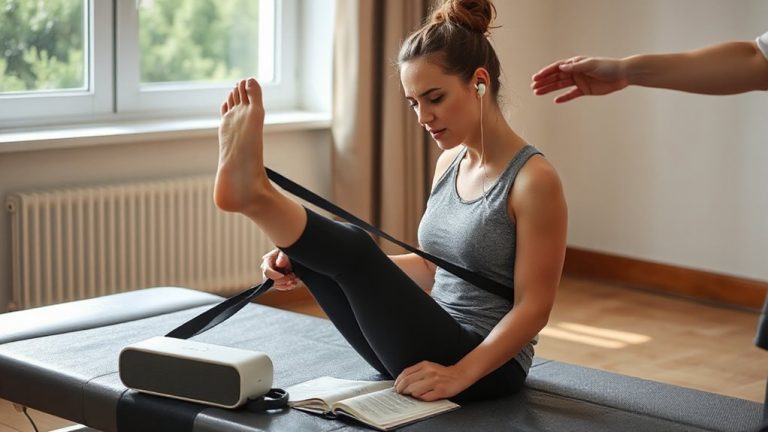
The Role of Topical Magnesium in Alleviating Muscle Cramps During Immobilization
You’re more prone to cramps when immobilized because sluggish blood flow and nerve misfiring disrupt muscle control. Topical magnesium helps by delivering targeted relief, restoring electrolyte balance, and calming overactive nerves directly through the skin. It bypasses the gut for faster action, making it efficient for sedentary strain or recovery. Oils and sprays work quickly, while lotions offer gentle daily support. For those needing reliable, localized relief, this method proves effective-especially if conventional options fall short.
Notable Insights
- Prolonged immobilization impairs muscle function through reduced blood flow and disrupted calcium balance.
- Topical magnesium helps regulate nerve signaling, reducing misfiring that causes involuntary muscle contractions.
- It penetrates skin rapidly, delivering fast, localized relief without digestive system delays.
- Applying topical magnesium to clean, dry skin enhances absorption and effectiveness during inactivity.
- Oils and sprays offer quick relief for cramps, while lotions support daily use in sedentary individuals.
Why Immobilization Triggers Muscle Cramps

Why do cramped muscles so often strike after you’ve been sitting still for too long? When you remain immobilized, blood flow slows and muscle metabolism shifts, increasing the risk of calcium imbalance within the fibers. This disrupts normal contraction-relaxation cycles, making cramps more likely. At the same time, prolonged posture can lead to nerve compression, especially in tight spaces like office chairs or cramped travel seats, which amplifies misfiring signals to muscles. You’re not just feeling stiffness-you’re experiencing a physiological cascade. Immobilization fundamentally tricks nerves into overactivity, while calcium buildup sustains involuntary contractions. Fitness recovery experts note that individuals with sedentary routines face these issues more frequently, especially without proper support gear. Though movement is the best preventive, posture-supporting fitness gear can mitigate risk by reducing pressure points and improving alignment, indirectly lowering chances of nerve compression and the resulting cramp triggers tied to calcium imbalance.
How Topical Magnesium Supports Muscle Relaxation
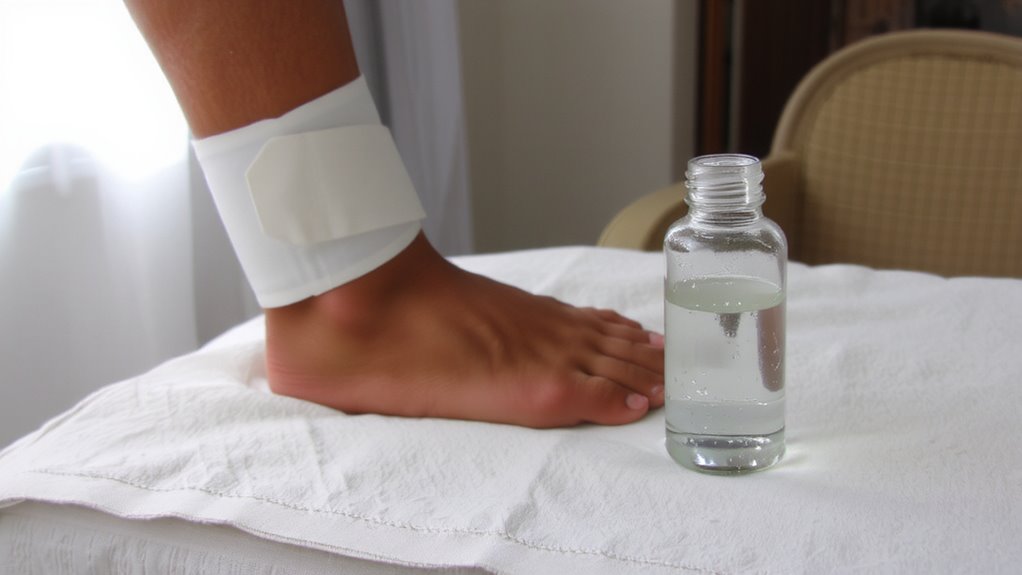
You’ve likely felt it-after hours of sitting, a sharp cramp locks your calf, and movement becomes urgent. Topical magnesium works directly where you need it, soaking into the skin to support muscle function fast. It plays a key role in regulating nerve signaling, helping to calm overactive impulses that trigger spasms. When your muscles stay still too long, communication between nerves and muscles can go off track-magnesium helps restore balance. Unlike oral supplements, topical forms deliver magnesium straight to the site, avoiding digestive delays. You’ll often feel relief within minutes, making it a practical choice for recovery during long periods of inactivity. While results vary, many users report smoother relaxation and fewer cramps with consistent use. Though not a cure-all, it’s a solid addition to fitness recovery gear-especially when you’re sedentary for hours. For those seeking effective options, exploring the best magnesium sprays can help identify high-quality products suited for targeted relief.
How to Apply Topical Magnesium for Fast Cramp Relief

Where should you start when a cramp strikes? Apply topical magnesium directly to the affected area as soon as possible-prompt application timing is key. The sooner you deliver magnesium to the site, the faster your body can begin counteracting muscle spasms. Use clean, dry skin to maximize skin absorption; this guarantees more magnesium enters the bloodstream efficiently. Rub in a small amount firmly but gently, focusing on the cramped muscle group. You’ll likely feel a mild tingling, a sign the minerals are penetrating. For immobilized patients, reapply every 4–6 hours as needed, since prolonged inactivity slows circulation and increases cramp risk. Consistent, targeted use supports faster neuromuscular recovery. While not a cure, it’s a practical, non-invasive aid. High-quality formulations enhance skin absorption without leaving residue, making them ideal for repeated use in recovery routines.
Choose the Right Form: Oils, Sprays, and Lotions That Work
When it comes to fast-absorbing magnesium delivery, the right formulation makes all the difference. Oils penetrate deeply, offering sustained release ideal for tight muscles during immobilization. Their formulation differences favor higher magnesium concentration, though they can feel greasy. Sprays provide superior application ease-just mist and rub in-making them perfect for hard-to-reach areas or quick use. Lotions balance absorption with texture, often combining moisturizers that reduce skin irritation. While they absorb slower, their consistency helps with even coverage. Your choice depends on lifestyle and comfort: oils for potency, sprays for convenience, lotions for daily use. Each form delivers magnesium effectively, but performance varies based on base ingredients and skin contact time. For consistent relief during recovery, pick one that fits seamlessly into your routine, ensuring regular use without hassle.
Topical vs. Oral Magnesium: Which Works Better for Cramps?
How do topical and oral magnesium stack up when it comes to relieving muscle cramps? It comes down to formulation efficacy and your body’s absorption rate. Topical magnesium bypasses the digestive system, delivering magnesium directly to muscles with minimal systemic loss-ideal during immobilization when fast, localized relief matters. Oral supplements rely on gut absorption, which can be slow and inconsistent, especially if you have digestive issues.
| Factor | Topical | Oral |
|---|---|---|
| Absorption Rate | Fast, targeted | Slower, systemic |
| Formulation Efficacy | High for localized cramps | Variable, depends on digestion |
Topicals like sprays or oils offer precise application and quicker feedback. Orals support overall magnesium levels but may not relieve cramps as promptly. For acute muscle cramps during limited mobility, topical solutions often provide more reliable, immediate results.
Who Gets the Most Relief From Topical Magnesium?
Who really benefits most from rubbing magnesium directly onto their skin? You might notice the strongest relief if you’re dealing with muscle cramps tied to immobilization or intense workouts. Athletes often use topical magnesium for athlete recovery, as it bypasses the digestive system and targets tight, overused muscles quickly. Because it’s absorbed through the skin, you get localized benefits without gastrointestinal side effects. If you have a chronic condition like fibromyalgia or restless leg syndrome, magnesium applied to the skin may reduce cramping and improve sleep quality. While results vary, those with higher magnesium demands-like active individuals or people on certain medications-tend to respond better. It’s not a cure-all, but as part of a broader recovery routine that includes proper hydration and rest, topical magnesium can be a practical, effective tool worth trying.
On a final note
You’ll find topical magnesium effective for easing cramps during immobilization, especially when applied consistently to affected areas. It bypasses digestion, delivering magnesium directly where needed. While oral supplements support overall levels, topicals offer targeted relief with minimal side effects. Oils and sprays absorb quickly, making them practical for daily use. For fitness recovery, they’re a reliable addition to your toolkit-especially if you’re prone to muscle tightness or restricted movement.