Somatic Movement Series to Retrain Motor Patterns After Repetitive Motion Injury
You’ve developed repetitive motion injury from ingrained movement patterns that rest and stretching won’t fix. Somatic movement retrains your nervous system using slow, mindful exercises that reset muscle control and reduce pain at its source. Unlike foam rollers or compression gear, it addresses brain-muscle miscommunication with neuroplastic change. Pandiculation rebuilds accurate sensory feedback, improving coordination and easing chronic tension. Consistent practice rewires motor habits-keep going to discover how just minutes a day can restore lasting function.
Notable Insights
- Somatic movement reprograms faulty neural signals causing chronic tension and pain from repetitive injuries.
- Slow, mindful movements enhance sensory feedback to identify and correct unconscious muscle-holding patterns.
- Pandiculation resets muscle length and function by contracting and gradually releasing targeted muscle groups.
- Daily practice of 10–15 minutes leverages neuroplasticity to retrain the motor cortex and improve movement efficiency.
- Consistent somatic exercises reduce pain, stiffness, and compensatory mechanics within two to three weeks.
What Is a Repetitive Motion Injury: and Why It Won’t Heal on Its Own?
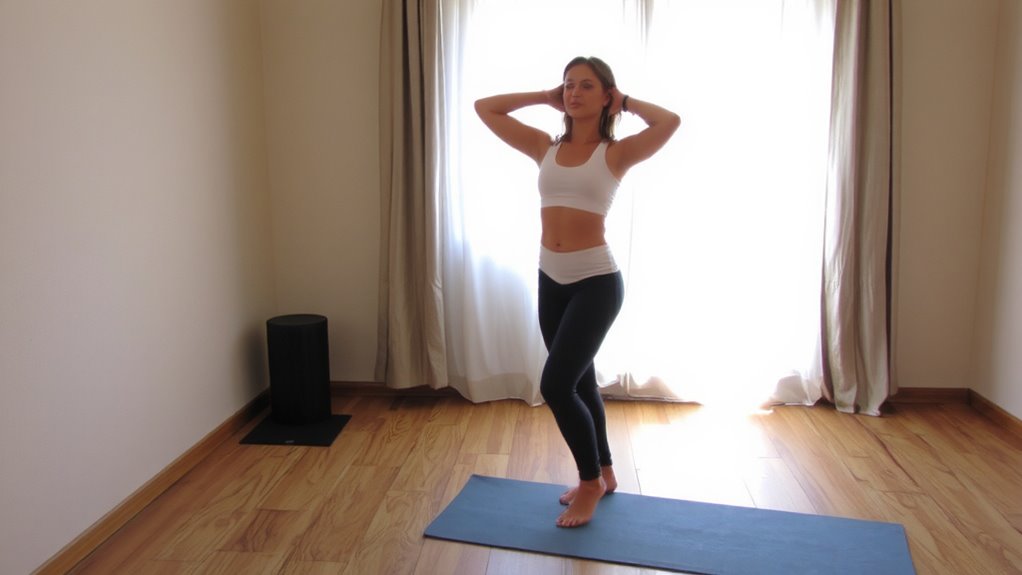
Repetitive motion injury isn’t just soreness from overuse-it’s a buildup of microdamage in muscles, tendons, and nerves from doing the same movement too often, without enough time to recover. You keep pushing through, and your body adapts with compensatory mechanics-shifting workload to stronger or less-fatigued areas. Over time, this throws off alignment and increases strain on already vulnerable tissues. What you’re feeling isn’t just physical wear; it’s neural fatigue, where your nervous system loses precision in signaling muscle activation. This dulls proprioception and slows response, making movements less efficient. Unlike acute injuries, these don’t heal with rest alone because the motor patterns remain wired. Fitness recovery gear like vibration tools or braces might offer temporary relief, but they don’t address the root cause-your brain’s outdated movement habits. Without retraining, you’re just managing symptoms.
Why Stretching and Rest Don’t Fix Chronic Overuse Pain
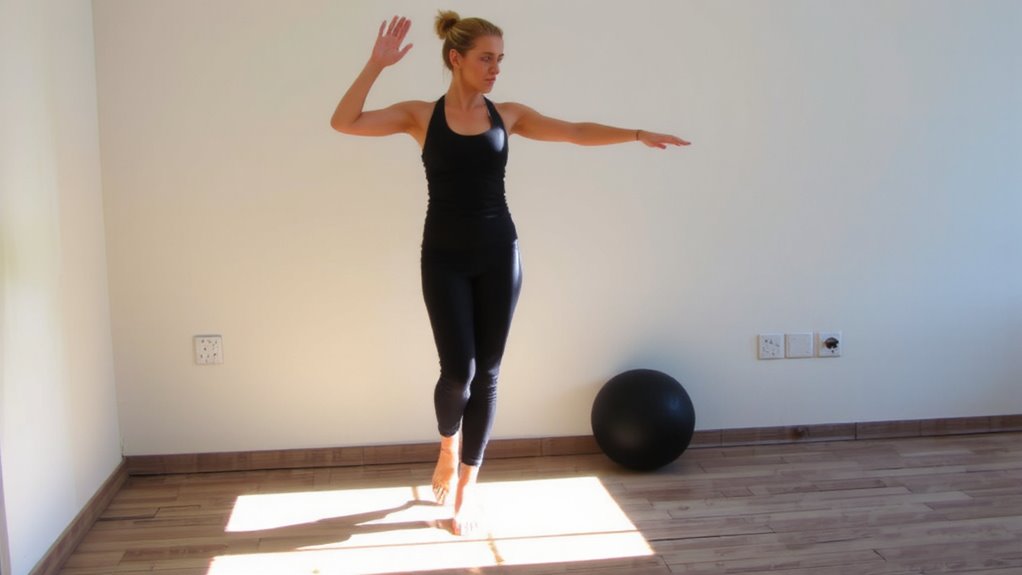
Why do your muscles still feel tight no matter how much you stretch or rest? Because chronic overuse pain isn’t just about muscle shortness-it’s driven by deeper factors like fascia tension and neural inflammation. Stretching can irritate already hypersensitive nerves, worsening neural inflammation instead of relieving it. Meanwhile, rest doesn’t address the root cause: your nervous system has learned faulty motor patterns. Prolonged inactivity may even increase fascia tension as connective tissue stiffens from disuse. Traditional recovery tools like foam rollers or compression gear offer temporary relief but rarely resolve underlying dysfunction. They treat symptoms, not the miscommunication between brain and muscle. Without retraining your movement patterns, you’re just managing pain. These fitness recovery tools have their place, but relying on them alone limits long-term healing. True recovery requires changing how your nervous system controls your muscles-something passive methods can’t accomplish.
How Somatic Movement Resets Your Brain’s Pain Patterns
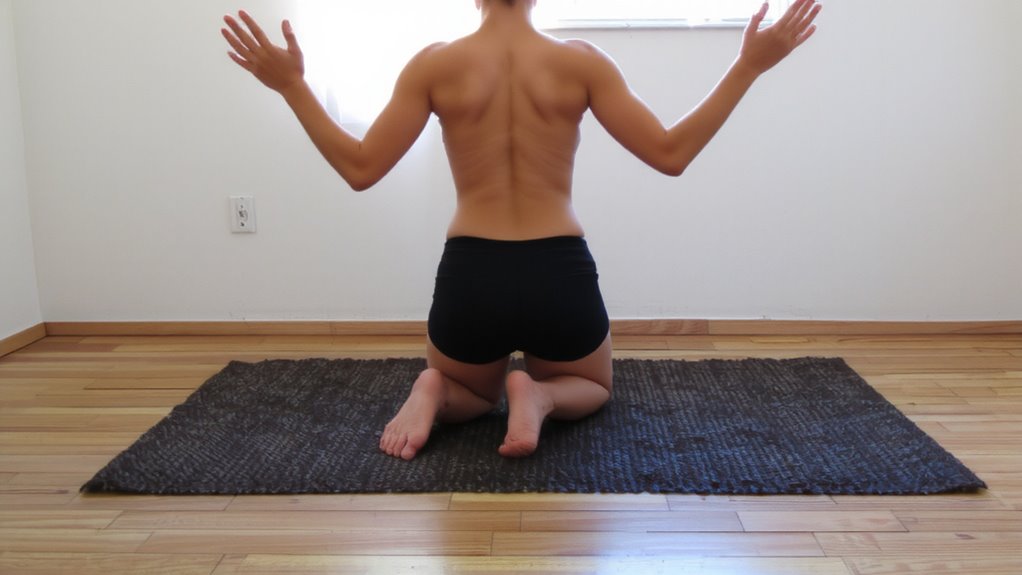
While stretching and rest often fall short, somatic movement works directly with your nervous system to reprogram the faulty signals causing chronic tension and pain. You’re not just moving-you’re cultivating precise sensory feedback that teaches your brain to recognize and release unconscious holding patterns. Through slow, intentional motions, you trigger neuroplastic change, fundamentally rewiring the motor cortex to adopt healthier movement habits. This isn’t about force or flexibility; it’s about awareness and control. Over time, your brain stops misfiring pain signals in non-injured tissues, reducing discomfort where no structural damage exists. Tools like foam rollers or resistance bands may support recovery, but without addressing neural programming, their benefits plateau. Somatic practices offer a durable solution-not masking symptoms, but correcting the source. By consistently engaging in these exercises, you build a more accurate body map, leading to smarter, safer movement in daily life and fitness routines.
How Your Brain Learns (and Unlearns) Harmful Movements
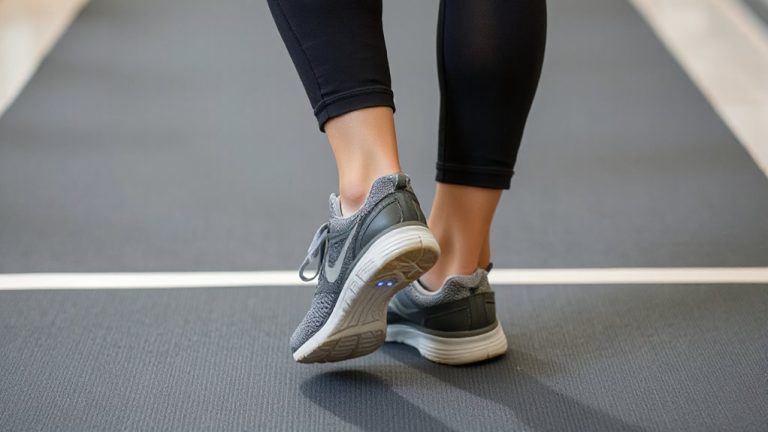
When you perform the same motion over and over-like typing, lifting, or even walking with poor alignment-your brain starts treating that pattern as efficient, even if it’s straining your muscles and joints. This is motor habituation: your nervous system locks in repetitive actions until they feel automatic. Over time, neuroplastic adaptation reinforces these pathways, making harmful movements harder to disrupt. But your brain isn’t stuck-you can retrain it. The key lies in mindful repetition, not more force or speed. By slowing down and paying close attention to movement quality, you signal that old patterns no longer serve you. This awareness shifts your brain’s priority from efficiency to correction. Unlike aggressive stretching or reliance on fitness gear, somatic re-education works with your nervous system’s natural ability to adapt-resetting movement without strain. You’re not fixing a broken body; you’re updating your brain’s software for smoother, safer motion.
5 Gentle Somatic Exercises for Overused Muscles
You’ve already seen how repetitive motions rewire your brain, embedding inefficient patterns that strain your body over time. Now, gentle somatic exercises offer a path to muscle recovery by re-educating movement through mindful, low-effort repetitions. These movements aren’t about intensity-they’re designed to trigger a nervous system reset, allowing overworked muscles to let go of chronic tension. You contract and slowly release muscles while paying close attention to internal sensation, a process known as pandiculation. It works better than static stretching because it addresses the root cause: the brain’s faulty control signals. Regular practice improves neuromuscular communication, reduces pain, and restores range of motion. Unlike aggressive recovery tools or fitness gear that mask symptoms, somatics correct the underlying pattern. You don’t need equipment-just awareness and consistency. This method proves particularly effective for shoulders, necks, and lower backs strained by repetitive tasks. Muscle recovery becomes sustainable when movement quality shifts from habit to intention.
How to Practice Somatics Every Day
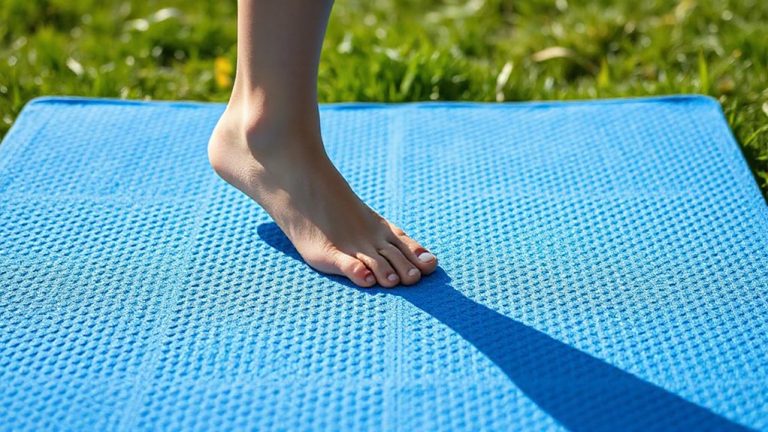
Often, the most effective recovery isn’t loud or dramatic-it’s quiet, consistent, and mindful. Your daily practice doesn’t need to be long-just ten to fifteen minutes of focused movement can retrain neural pathways and release chronic muscle tension. You’ll get the best results when you commit to mindful repetition, allowing your brain to relearn healthier motor patterns. Start each session by lying comfortably on a firm surface, using a thin mat for support-no special fitness gear is needed, just a quiet space. Focus on sensing internal shifts rather than achieving perfect form. Over time, this regular input helps reduce neuromuscular amnesia caused by repetitive strain. Consistency matters more than intensity, so weave somatics into your routine like brushing your teeth. With daily practice, you’ll build body awareness and resilience, laying the foundation for lasting movement efficiency and recovery.
How Soon Will You Feel Better?
Progress depends on consistency, not intensity, so sticking with your daily somatic practice sets the stage for noticeable change. Your recovery timeline isn’t fixed-it varies based on how often you move mindfully and reset habitual tension. Most people report shifts in pain perception within two to three weeks of daily practice. You’re not just stretching; you’re retraining your nervous system to release chronic muscle contractions. Short sessions add up, recalibrating motor control and improving movement efficiency. Unlike aggressive fitness gear that may overload strained tissues, somatic movements work *with* your body’s feedback. You’ll notice daily improvements: smoother motion, less stiffness, and reduced reliance on pain signals. It’s not about pushing harder-it’s about tuning in. Over time, your brain stops guarding injured areas unnecessarily, which means pain perception drops even during repetitive tasks. Stay patient. Real change builds gradually, not instantly.
On a final note
You’ve likely tried rest and stretching, but they rarely resolve chronic overuse pain because the issue isn’t just in your muscles-it’s in your brain’s motor control. Somatic movement retrains ingrained patterns caused by repetition, addressing the root cause. These gentle, neuro-focused exercises improve proprioception and neuromuscular efficiency. Done consistently, they reduce hypertonicity, restore balance, and enhance functional movement. Unlike passive recovery tools or fitness gear, somatics offers a sustainable, evidence-informed path to lasting relief and resilient, pain-free performance.