Shoulder Mobility Drills With Sleeper Stretch With External Rotation Load
You can improve shoulder mobility and rotator cuff strength by combining the sleeper stretch with external rotation loading. This drill enhances posterior capsule flexibility while building muscular endurance under light resistance. Keep your elbow at your side and rotate the arm upward using a dumbbell or band, performing 3 sets of 10–12 reps with control. Avoid overstretching or poor posture to prevent instability. There’s more to optimizing this movement than just form.
Notable Insights
- The sleeper stretch with external rotation load improves posterior capsule flexibility and enhances shoulder joint alignment.
- Perform the loaded sleeper stretch lying on your side, elbow bent 90 degrees, using a dumbbell or band.
- Applying light resistance increases rotator cuff engagement and builds strength during the mobility drill.
- Complete 3 sets of 10–12 controlled reps per side to promote adaptive tissue loading and neuromuscular feedback.
- Avoid anterior overstretching by maintaining proper form and neutral spine throughout the movement.
Why Shoulder Mobility Matters for Performance and Recovery

Movement-especially overhead motion-starts with the shoulders, and your ability to access full shoulder mobility directly influences both athletic performance and long-term joint health. You need sufficient range to throw, lift, or press without compensation, and restricted mobility often leads to poor mechanics and strain. Prioritizing shoulder mobility supports injury prevention by reducing stress on tendons and ligaments during repetitive movements. Over time, consistent mobility work enhances joint health, preserving cartilage and promoting synovial fluid circulation. It’s not just about flexibility-it’s about control, stability, and efficient force transfer. Fitness recovery isn’t complete without addressing these mechanics, especially if you train frequently. Recovery gear like resistance bands or massage tools can help maintain tissue quality, but they don’t replace active mobility drills. For long-term results, integrate targeted shoulder work into your routine-it’s essential for peak performance and durable joint health.
How the Sleeper Stretch Loosens the Rotator Cuff

While your rotator cuff works silently to stabilize the shoulder during most upper-body movements, it can become tight and restricted-especially if you’re someone who lifts regularly or sits for long hours at a desk. The sleeper stretch helps by promoting capsular flexibility, targeting the tight posterior shoulder capsule that often limits motion. When you lie on your side and press the bottom arm into internal rotation, you encourage a posterior glide of the humeral head, reducing compressive forces and improving joint alignment. This movement not only restores balance within the joint but also enhances overall shoulder mechanics. You’ll likely notice improved range of motion after consistent practice, particularly when reaching across your body or lifting overhead. Unlike passive tools or recovery gear, this stretch actively engages the joint’s natural mechanics, making it a reliable, no-cost method to maintain shoulder health-especially when mobility, not strength, is the primary goal.
Add Load to Boost Rotator Cuff Strength
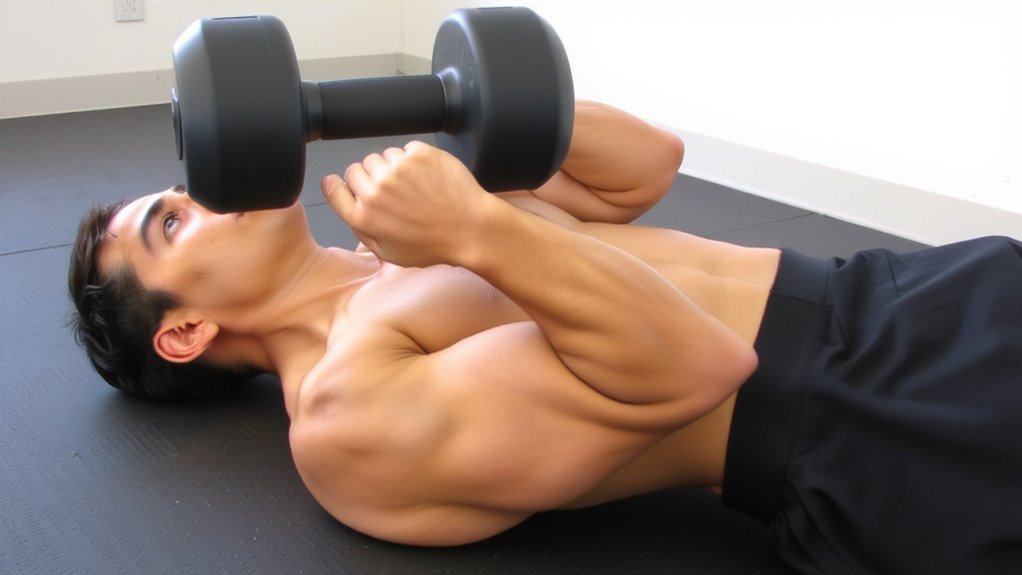
Adding a light load to your shoulder mobility work can make a noticeable difference in rotator cuff strength over time. By incorporating resistance training into the sleeper stretch-like using a light dumbbell or resistance band-you’re not just improving flexibility; you’re actively strengthening the stabilizing muscles around the shoulder joint. This form of external rotation loading applies progressive overload, a key principle for building muscular endurance and resilience. You’ll find that consistent, controlled resistance enhances joint integrity and reduces injury risk, especially if you’re rehabbing or performing overhead movements regularly. The right gear-such as adjustable bands or compact dumbbells-makes it easier to scale intensity safely. Start light, focus on form, and gradually increase load as tolerated. When done correctly, loaded sleeper stretches bridge the gap between mobility and functional strength, offering measurable benefits in shoulder performance and long-term joint health.
Do the Loaded Sleeper Stretch Correctly: Step-By-Step
You’ll get the most out of the loaded sleeper stretch when you perform it with precise form and the right equipment. Lie on your side, bottom arm bent at 90 degrees, upper arm resting against your torso. Hold a light dumbbell or resistance band in that hand to add external rotation load-this enhances external rotation benefits by actively engaging the infraspinatus and teres minor. Slowly press the weight upward, rotating your forearm toward the ceiling while keeping your elbow pinned. Pause, then lower with control. Perform 3 sets of 10–12 reps per side. This version of sleeper stretch variations guarantees progressive adaptation, making it more effective than static holds. Use consistent resistance to track progress and stimulate rotator cuff strength. Avoid rushing; quality over speed preserves joint integrity. Over time, this builds shoulder resilience, especially valuable for overhead athletes or those recovering from stiffness.
Avoid These 5 Shoulder Mobility Mistakes
Why do so many people still struggle with shoulder mobility despite consistent stretching? You’re likely making one of these five common mistakes. First, neglecting joint capsule balance skews movement patterns and invites dysfunction. Second, pushing too hard during the sleeper stretch overstretches already loose anterior tissues, worsening instability. You must consider shoulder impingement prevention by avoiding excessive internal rotation under load. Third, ignoring posture during drills reduces effectiveness-keep your spine neutral. Fourth, skipping assessment means you might stretch the wrong areas, creating imbalances. In the end, inconsistent loading disrupts tissue adaptation. Without controlled external rotation load, you miss key neuromuscular feedback. These errors undermine recovery and compromise long-term joint health. Correcting them guarantees balanced, durable mobility, especially important if you use fitness gear like resistance bands or mobility sticks. Precision trumps intensity every time.
Best Time to Do This Shoulder Mobility Drill
While consistency in shoulder mobility work matters, timing these drills strategically enhances recovery and maximizes tissue response. You’ll get the most out of the sleeper stretch with external rotation load when performed post-workout or during a dedicated mobility session when your shoulder tissues are warm and pliable. Doing it at this time supports better joint stability and prepares your rotator cuff for ideal movement patterns. Avoid doing it first thing in the morning when joints are stiff-it may reduce effectiveness and increase injury risk. For peak performance, integrate this drill into your cool-down routine 3–4 times weekly. This timing guarantees adaptive stress without taxing the joint prematurely. Pair it with recovery-focused gear like resistance bands or foam rollers to amplify results. Used correctly, this timing boosts not just mobility, but long-term shoulder health and functional control during dynamic activities.
On a final note
You’ll get the most from shoulder mobility work when you pair the sleeper stretch with controlled external rotation loading. It boosts rotator cuff flexibility and strength, aiding recovery and performance. Just make sure proper form to avoid irritation. Used consistently and correctly, this drill supports joint health, especially with repetitive overhead motion. While not a fix-all, it’s a practical addition to your recovery toolkit, especially alongside quality fitness gear that supports joint alignment and muscle recovery.