Preparing for Off-Season Transitions: A 30-Day Mental Reset Plan for Athletes
You need more than rest-you need a purpose-driven off-season. Start by unplugging for 72 hours to reset your nervous system, then tune back into your body with foam rollers and massage guns used mindfully, not obsessively. Reflect on your season without judgment, journaling highs and lows to inform your comeback. Plan the first 60 days with flexible goals, integrating compression boots and recovery tools as performance allies, not crutches-you’ll see how intention shapes resilience.
Notable Insights
- Begin with a 72-hour digital detox to reset mental focus and reduce cortisol levels.
- Practice 10–15 minutes of daily mindful silence to enhance emotional regulation and mental clarity.
- Use intentional low-impact recovery tools like foam rollers to reconnect with physical cues.
- Journal non-judgmentally about season highs, lows, and energy patterns to gain performance insights.
- Set specific, evolved goals for comeback training while integrating recovery gear strategically.
Set a Purpose-Driven Off-Season Goal
While many athletes treat the off-season as a period of rest and disengagement, using it to set a purpose-driven goal can greatly influence both recovery and long-term performance. You need a mindset shift-view this time not as a break, but as a strategic phase for renewal and growth. Goal clarity helps you stay focused, whether you’re rehabbing an injury, improving mobility, or refining technique. Instead of drifting through weeks without direction, you align daily actions with meaningful outcomes. This intentionality improves adherence to recovery protocols and fitness routines. Purpose-driven goals also make it easier to choose the right recovery gear-like compression devices or targeted mobility tools-because you know exactly what you’re working toward. Without a clear aim, even the best fitness gear goes underused or misapplied. A focused off-season maximizes return on both time and investment, making recovery active, not passive. It’s preparation, not pause. Top-rated muscle recovery devices can significantly accelerate healing when integrated into a goal-oriented off-season plan.
Week 1: Unplug to Reset Mentally

How do you truly recharge when your body’s used to pushing limits? Start with a digital detox-step away from screens, notifications, and performance metrics for at least 72 hours. Constant exposure to training apps and social media keeps your mind in competition mode, delaying mental recovery. Instead, practice mindful silence daily; sit quietly for 10–15 minutes, focusing only on breath and bodily sensations. This isn’t passive downtime-it’s active mental recalibration. Studies show mindful silence reduces cortisol and improves sleep quality, both critical for recovery. Unlike fitness gear that tracks output, this week’s tools are intangible but more impactful: intention and presence. You don’t need vibration foam rollers or recovery boots yet-just space to disconnect. Use this week to let your nervous system reset. When you can sit still without reaching for your phone, you’re rebuilding mental resilience from the ground up. True recovery starts in stillness.
Week 2: Reconnect With Your Body

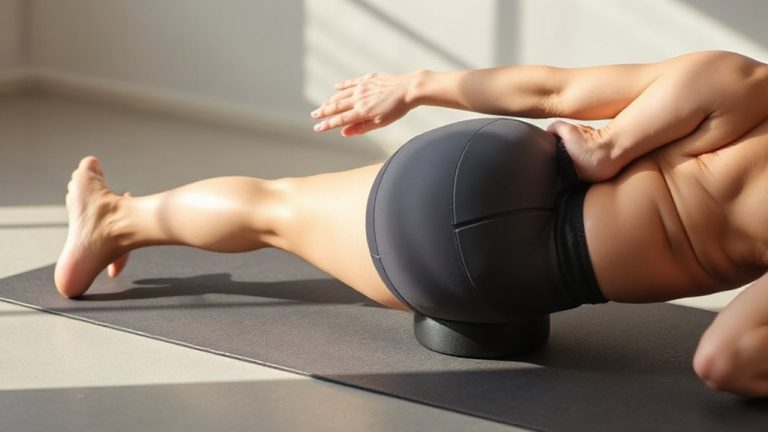
After giving your mind space to reset, you’re now ready to turn your attention inward and tune into physical signals that often get masked by heavy training blocks. This week focuses on body awareness and supporting muscle recovery through intentional, low-impact practices. Reconnecting isn’t just about rest-it’s about listening: noticing tension, tracking soreness patterns, and responding with care. Tools like foam rollers, compression gear, and massage guns can aid recovery, but their effectiveness depends on consistent, mindful use. A high-density foam roller provides optimal support for releasing muscle tightness and improves long-term recovery outcomes.
| Tool | Purpose |
|---|---|
| Foam roller | Releases fascial tightness |
| Compression boots | Enhances circulation |
| Massage gun | Targets deep muscle adhesions |
| Resistance bands | Encourages gentle activation |
Prioritize quality movement over intensity. These tools work best when paired with body awareness, not as shortcuts. Let them guide, not replace, your recovery intuition.
Week 3: Reflect on Your Season Without Judgment
Recovery isn’t just physical-it’s mental, too, and this week, reflection becomes your most important tool. You’re not grading yourself; you’re creating space for honest emotional processing and a balanced performance review. Think about highs and lows, not to fix them yet, but to understand them. What drained you? What energized you? These insights aren’t distractions-they’re data. Use journaling or voice memos to capture raw thoughts without filtering. Avoid jumping to solutions. Instead, notice patterns in motivation, stress, and focus. This isn’t about gear or training load alone-it’s about how you experienced the season mentally and emotionally. Mindset affects recovery as much as sleep or nutrition. By pausing without judgment, you lay the foundation for meaningful growth. Clarity comes not from critique, but from curiosity. Let this week be about listening-not fixing.
Week 4: Plan Your Smarter Comeback
While the post-season quiet can feel unsettling, it’s actually the perfect time to shift from reflection to action-so don’t rush into rebuilding just yet. You’ve reviewed your season and processed the highs and lows; now, use those insights to craft a comeback rooted in mental resilience and performance clarity. Define specific, measurable goals that align with your evolved self-image, not just past results. Consider how recovery tools-compression gear, foam rollers, sleep trackers-fit into your routine, not as luxuries but as performance enhancers. Evaluate what worked: Did your fitness recovery strategy support consistency? Did your gear withstand demand? Plan upgrades wisely, focusing on functionality over trends. Map out your first 60 days of training with flexibility built in, anticipating stressors. This isn’t about bouncing back-it’s about moving forward with sharper focus, smarter tools, and deeper self-awareness. For targeted muscle recovery, consider integrating best compression boots into your routine to enhance circulation and reduce soreness.
Keep Your Mental Gains All Season
How do you maintain the mental edge you’ve worked so hard to build when the season’s intensity fades? You protect it by embedding routines that sustain mental resilience and emotional balance. Even in downtime, consistency matters-structured recovery isn’t just physical. Think foam rolling with focus, or cooldown stretches paired with breathwork. These aren’t just body maintenance; they train your mind to stay present. Tools like compression gear or posture-correcting apparel help regulate physical feedback, which directly impacts mental clarity. Monitoring sleep with recovery wear-like temperature-regulating fabrics-supports emotional balance by improving rest quality. Passive recovery days still demand intention: guided meditation apps paired with infrared sauna use can deepen relaxation while reinforcing discipline. You’re not just healing tissue-you’re reinforcing focus, patience, and composure. The habits you keep now shape your psychological readiness. Stay deliberate. Mental gains don’t vanish if you uphold the behaviors that built them.
Build a Sustainable Mindset for Next Year
A resilient mindset isn’t built in a single season-it’s shaped by the small, consistent choices you make when the spotlight fades. You build mental resilience by sticking to routines even when motivation dips, like scheduling daily reflection or visualization sessions. These practices ground you and support long term growth, much like recovery gear supports physical adaptation. Just as compression boots or foam rollers aren’t just for post-game use, mental tools shouldn’t be reserved for crisis moments. Treat your mind like high-performance equipment: clean the data daily (journal), update the software (learn new strategies), and schedule routine maintenance (mindfulness). Athletes who prioritize sustainable mental habits see sharper focus, better emotional regulation, and improved consistency. This off-season isn’t downtime-it’s your chance to strengthen the unseen edge. Build systems now so next season, you’re not just fit, but mentally fortified.
On a final note
You’ve earned this reset, and using it wisely strengthens both recovery and performance. Fitness recovery isn’t passive-it’s strategic, supported by quality gear like compression wear that enhances circulation and durable foam rollers that release tight fascia. These tools, paired with mental discipline, turn downtime into gains. By maintaining mindfulness and equipment care, you guarantee longevity and consistency, laying a foundation not just for next season, but for a sustainable, resilient athletic future grounded in balance and purpose.