Developing Pre-Sleep Routines to Enhance Glymphatic Clearance After Concussion
You’ll boost glymphatic clearance after a concussion by sticking to a consistent sleep schedule, going to bed and waking up within the same 1–2 hour window daily. Evening sunlight exposure and dim, warm lighting support melatonin and brain detox, while avoiding screens before bed protects sleep quality. Add a calming routine like stretching or a warm bath, and sleep on your side to enhance waste clearance-simple, no-cost steps that make a real difference. There’s more to optimizing recovery the right way.
Notable Insights
- Maintain a consistent sleep schedule by going to bed and waking up within the same 1–2 hour window daily to optimize glymphatic clearance.
- Spend 20–30 minutes outside at sunset without sunglasses to support circadian rhythm and natural melatonin production for better brain detoxification.
- Avoid screens for at least 1 hour before bed to prevent blue light from suppressing melatonin and disrupting glymphatic function.
- Adopt a calming pre-bed routine like a warm bath or gentle stretching to signal sleep onset and enhance glymphatic efficiency.
- Sleep on your side to potentially increase glymphatic flow by up to 25% compared to back or stomach sleeping positions.
Create a Consistent Sleep Schedule to Speed Recovery
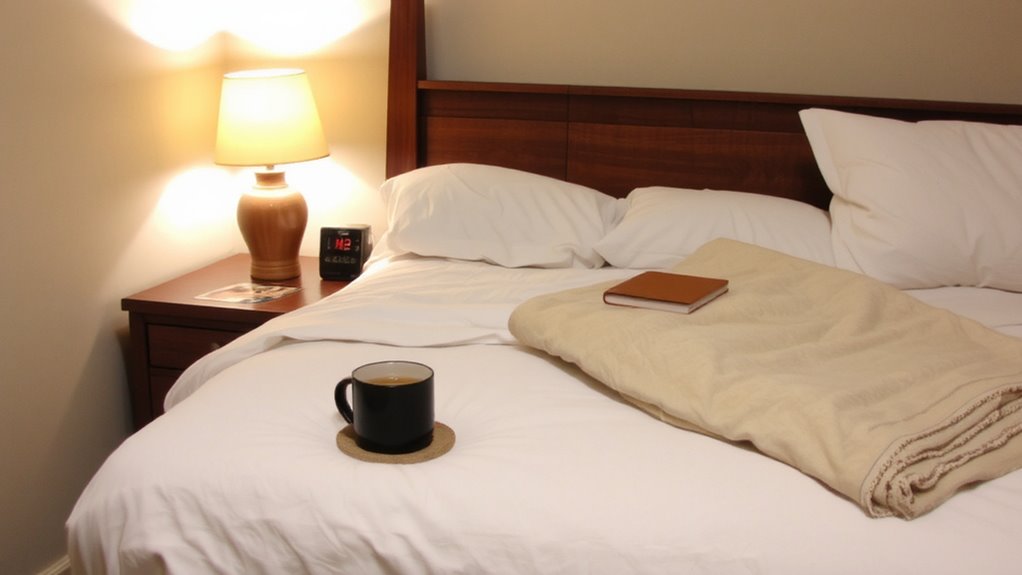
While your brain heals after a concussion, sticking to a consistent sleep schedule isn’t just helpful-it’s a key driver of glymphatic clearance, the nightly process that flushes metabolic waste from the brain. You’ll support this natural cleanup best with strong bedtime consistency, going to sleep and waking up within the same one- to two-hour window daily-even on weekends. This rhythm strengthens your circadian alignment, which in turn boosts sleep hygiene and deepens restorative slow-wave sleep. Poor timing or erratic sleep disrupts glymphatic efficiency, possibly prolonging recovery. Unlike fitness gear that tracks performance, your sleep schedule is an invisible but essential recovery tool-its effectiveness lies in predictability, not flashy features. Think of it as foundational infrastructure: no sensor or app replaces the biological benefits of routine. When you prioritize clockwork rest, you’re not just resting-you’re actively clearing brain waste and setting the stage for lasting healing.
Optimize Evening Light to Support Brain Healing
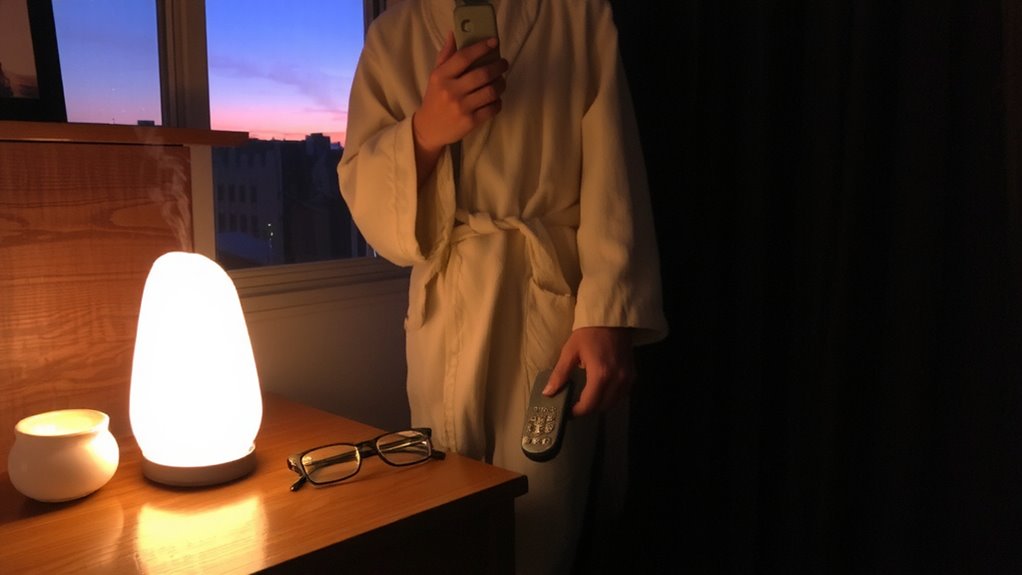
How often do you consider the quality of light you’re exposed to in the hours before bed? Evening sunlight plays a vital role in regulating your circadian rhythm, priming your brain for peak glymphatic activity during sleep. Natural exposure to warm, late-day light helps signal melatonin production, supporting deeper recovery. Conversely, artificial blue light from indoor lighting can disrupt this process, suppressing melatonin and impairing brain detoxification. You’ll benefit most by spending 20–30 minutes outside during sunset, letting your eyes absorb diminishing sunlight without sunglasses. Inside, use dim, warm-toned bulbs below 2700K to mimic natural conditions. Limit harsh overhead lights and avoid cool-white LEDs. This subtle shift reduces blue light exposure and enhances circadian alignment. Thoughtful light management isn’t just supportive-it’s a foundational recovery tool, especially post-concussion, when glymphatic efficiency is critical.
Avoid Screens 1 Hour Before Bed for Better Detox
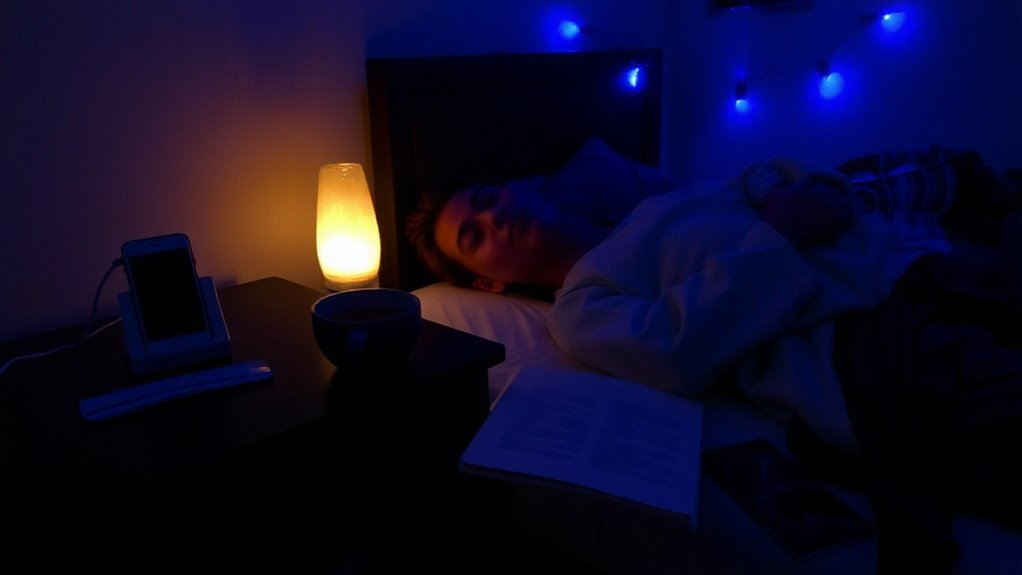
Since your brain’s ability to clear metabolic waste through the glymphatic system hinges on high-quality sleep, shutting down screens at least an hour before bed isn’t just a suggestion-it’s a recovery imperative, especially after a concussion. Devices like phones, tablets, and TVs emit strong blue light, which directly contributes to melatonin suppression, delaying sleep onset and reducing REM cycles critical for healing. You’re not just losing sleep time-you’re degrading its detoxifying quality. Even small amounts of evening screen use can disrupt circadian signaling, slowing neural recovery. This isn’t about willpower; it’s a physiological necessity. Eliminating screens allows your brain to shift smoothly into restorative states. Unlike fitness gear that supports physical recovery, pre-sleep screen avoidance is a zero-cost, high-impact intervention. You wouldn’t skip rehab exercises-don’t compromise the one process actively healing your brain.
Unwind With Calming Pre-Bed Routines
Shutting off screens an hour before bed sets the stage, but actively unwinding with intentional pre-sleep routines amplifies your brain’s shift into restorative mode. A warm bath 60 to 90 minutes before bed helps lower core temperature gradually, signaling sleep onset while easing concussion-related tension. Pair this with gentle stretching-focusing on the neck, shoulders, and spine-to release physical stress without straining healing neural pathways. These practices don’t just relax the body; they prepare the glymphatic system for peak clearance efficiency. Unlike intense recovery gear that may overstimulate post-concussion patients, these low-impact rituals offer predictable, controllable input. Consistency matters more than duration: even 10 minutes daily improves sleep architecture over time. Think of these routines as maintenance for neurological recovery-simple, accessible, and effective when performed deliberately. You don’t need specialized equipment; just commitment to the process.
Sleep on Your Side to Boost Glymphatic Flow
While research is still evolving, evidence suggests you’ll likely get the most glymphatic benefit by sleeping on your side rather than on your back or stomach. Your sleep position plays a key role in how efficiently cerebrospinal fluid clears brain waste, especially after a concussion. Studies using imaging in rodents and emerging human data indicate that the lateral benefits include up to 25% more effective glymphatic flow compared to supine or prone positions. This posture may support ideal alignment of cerebrospinal pathways, enhancing detoxification during deep sleep. Though firm conclusions require more clinical trials, current findings make a compelling case for side-sleeping as part of recovery. Using supportive pillows to maintain a neutral spine can improve comfort and consistency. While not a standalone fix, adopting this sleep position is a low-risk, high-potential strategy within broader concussion recovery protocols. Choosing the right pillow, such as those designed for side sleepers with back pain, can further support spinal alignment and sleep quality.
On a final note
You’ll heal faster by sticking to a regular sleep schedule and dimming lights at night to boost melatonin. Skipping screens before bed helps your brain shift into deep sleep, where glymph Arabian clearance peaks. Gentle routines like reading or stretching reduce stress and support recovery. Sleeping on your side may enhance cerebrospinal fluid flow, clearing toxins more efficiently. These habits, paired with quality recovery gear like supportive pillows, offer a practical, science-backed edge in post-concussion healing.