How Proper Evening Hydration Prevents Nighttime Leg Cramps in Long-Distance Cyclists
You’re more prone to nighttime leg cramps after long rides because muscle fatigue and dehydration disrupt electrolyte balance, making your calves twitch when inactive. Proper evening hydration restores fluids and minerals like magnesium and potassium, supporting nerve function and reducing cramp risk. Unlike water alone, an electrolyte-rich drink before bed maintains cellular balance and circulation. Pair this with light stretching, and you’ll recover smarter-there’s more to optimizing your routine than hydration alone.
Notable Insights
- Evening hydration replenishes lost fluids and electrolytes, maintaining muscle and nerve function to reduce cramp risk during sleep.
- Proper fluid intake before bed supports muscle relaxation and prevents involuntary contractions from dehydration-induced nerve sensitivity.
- Rehydrating with electrolyte-rich drinks like coconut water restores sodium, potassium, and magnesium levels critical for muscle control.
- Avoiding caffeine and alcohol in evening drinks prevents diuretic effects that compromise hydration and increase cramp likelihood.
- Drinking fluids 90 minutes before bed ensures cellular repletion without disrupting sleep through frequent bathroom trips.
Why Cyclists Get Nighttime Leg Cramps
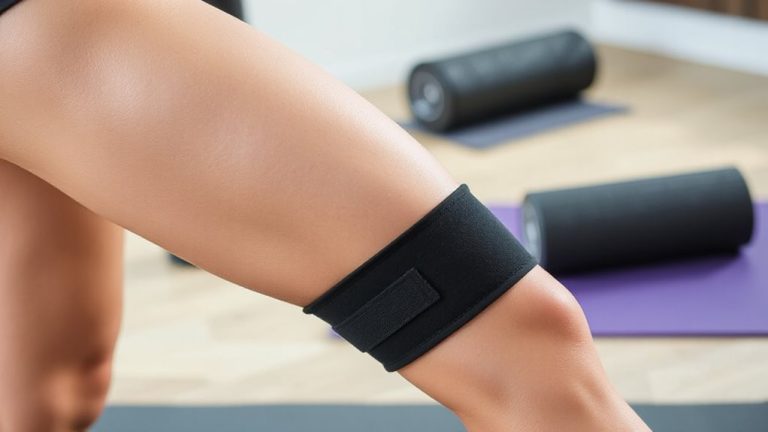
Why do so many cyclists wake up in the middle of the night with throbbing calf cramps? It’s likely due to muscle fatigue from long hours in the saddle, especially when you push hard without proper recovery. As your muscles break down during endurance efforts, they become overworked and more prone to involuntary contractions during rest. Poor circulation can make this worse-tight gear or improper positioning might restrict blood flow, delaying the removal of metabolic waste. Compression socks or recovery tights can help, but only if worn correctly and paired with mobility work. You’re not just fighting soreness; you’re managing physiological strain. Night cramps aren’t inevitable. They signal that your body hasn’t recovered fully. Addressing muscle fatigue and improving circulation through smart cooldowns and recovery-focused gear gives you better repair overnight-reducing cramp risk and supporting long-term performance.
How Dehydration Causes Night Cramps
You’ve probably stretched, worn recovery gear, and adjusted your saddle height, yet those nighttime calf cramps still creep in-sometimes, the real culprit isn’t muscle fatigue alone, but what you’re not drinking. Dehydration disrupts your body’s electrolyte balance, reducing sodium, potassium, and magnesium levels critical for muscle function. When fluids dip, nerves fire erratically, heightening sensitivity and turning minor tension into full-blown cramps. Even mild dehydration magnifies existing muscle fatigue, making it a potent contributor among cramp triggers. You might recover well on the surface-foam rolling done, compression socks used-but without adequate evening hydration, cellular repletion falls short. Electrolyte imbalances often go unnoticed until night, when reduced movement allows spasms to take hold. Recovery gear supports circulation, but it can’t compensate for poor fluid intake. Prioritizing water with electrolytes in the hours after training addresses a root cause, not just symptoms.
How Evening Hydration Stops Cramps
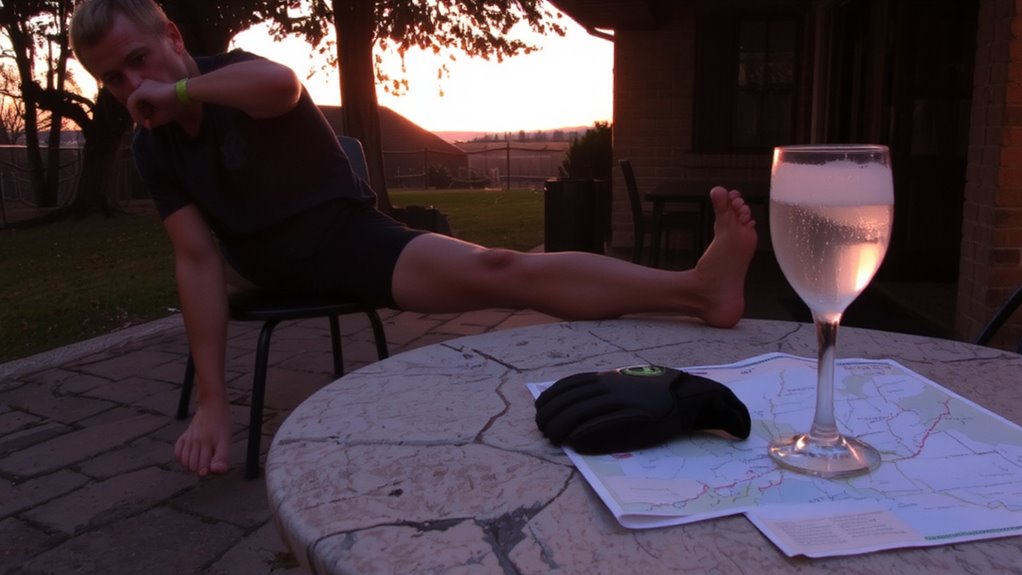
While muscle fatigue and poor circulation often take the blame, maintaining proper hydration in the evening plays a decisive role in preventing night cramps, especially after intense rides. Your body needs time to restore fluid balance post-exercise, and evening hydration supports muscle relaxation when you’re least active. As core temperature drops overnight, even mild dehydration can trigger involuntary contractions. Replenishing electrolytes and water in the hours before bed guarantees cells remain volumized and nerves fire correctly. Don’t underestimate this recovery phase-it’s when your muscles repair and rebalance.
| Benefit | Impact on Cramp Prevention |
|---|---|
| Improved fluid balance | Reduces electrolyte fluctuations |
| Enhanced circulation | Promotes consistent nutrient delivery |
| Better muscle relaxation | Lowers resting tension |
| Stabilized nerve activity | Prevents misfiring during sleep |
| Faster recovery | Decreases next-day soreness |
Best Drinks to Prevent Nighttime Cramps
What makes certain drinks more effective at warding off nighttime cramps than others? It comes down to how they influence your hydration and muscle function. You should avoid high caffeine intake in the evening-caffeine’s a diuretic, so it can leave you more dehydrated by bedtime. Same goes for alcohol: the alcohol effects include disrupted fluid balance and impaired muscle recovery, both of which raise cramp risk. Instead, opt for drinks like coconut water or a low-sugar electrolyte solution. They replenish key minerals without overloading your system. Herbal teas like chamomile are also a smart pick-hydrating and calming, with zero caffeine. These choices support steady fluid retention throughout the night. You’re not just drinking to quench thirst; you’re strategically maintaining balance. Avoid stimulants and depressants late in the day, and your muscles will thank you when you wake up cramp-free.
Why Electrolytes Beat Water Alone at Night
Since hydration isn’t just about water volume but also mineral balance, plain water alone often falls short for overnight recovery, especially after sweating through a long ride. You lose key electrolytes like sodium, potassium, and magnesium during endurance efforts, and replacing them is essential. Without these minerals, your body can’t maintain proper nerve function or muscle contraction, increasing the risk of nighttime leg cramps. Drinking only water may even worsen an electrolyte imbalance by diluting remaining mineral levels. That’s why electrolyte drinks outperform water alone at night-they target the root cause of cramping. Replenishing lost salts helps reduce muscle fatigue and supports smoother overnight recovery. For frequent long-distance riders, recovery gear like electrolyte tablets or balanced hydration formulas aren’t luxuries-they’re practical tools that enhance physiological function when your body needs it most.
When to Hydrate (and When to Stop)
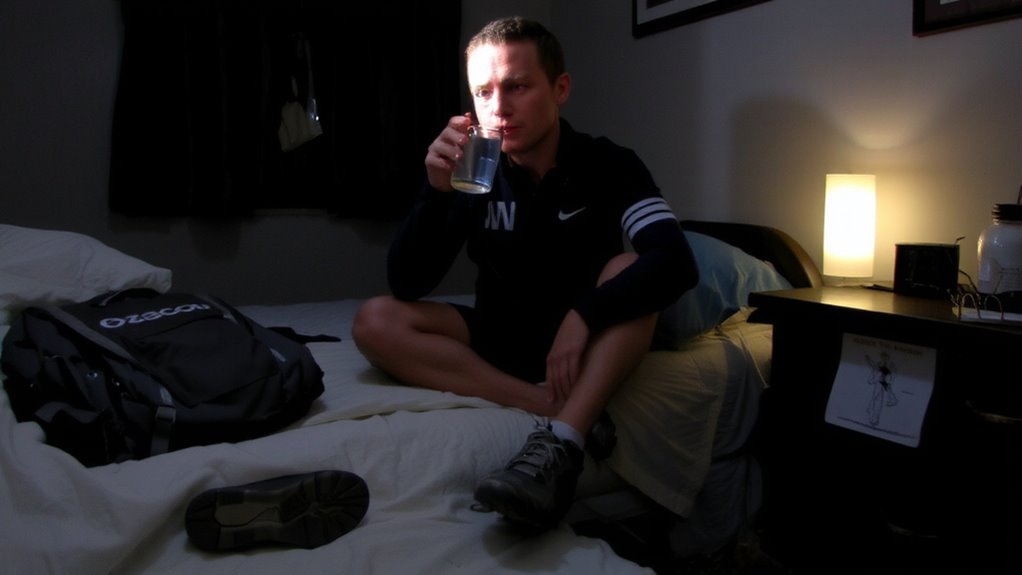
Getting your electrolyte balance right sets the stage for effective recovery, but timing your hydration matters just as much as what you drink. You should hydrate steadily throughout the evening, but avoid large fluid intakes within 60–90 minutes of bedtime. Proper bedtime timing reduces nighttime bathroom trips that disrupt sleep cycles-critical for muscle repair. Fluid moderation is key: while consistent sipping supports circulation and cramp prevention, overhydration dilutes electrolytes and strains the kidneys. Aim to finish your last full glass of an electrolyte-enhanced beverage about 90 minutes before sleeping. This allows your body to absorb what it needs without taxing your system overnight. Smart hydration isn’t about volume-it’s about rhythm and restraint. Using a marked bottle or hydration tracker can help maintain this balance. Ultimately, disciplined fluid moderation enhances recovery efficiency more than drinking more ever could.
Easy Night Habits That Prevent Leg Cramps
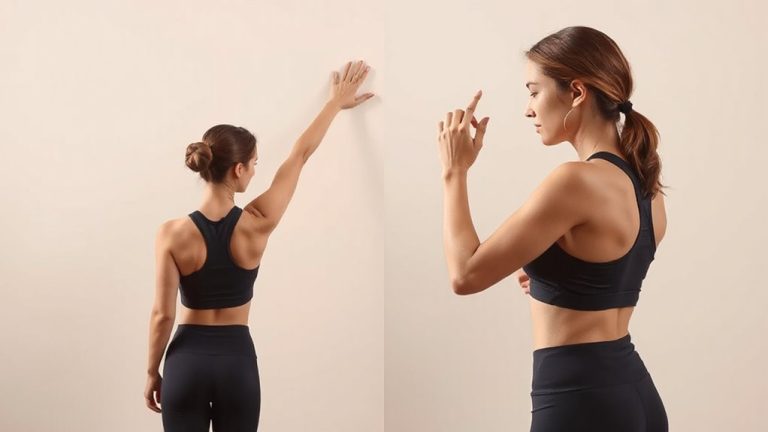
Why do leg cramps strike when you’re least prepared-lying in bed after a long ride? Simple habits can prevent them. Hydration helps, but combining it with stretching techniques and muscle relaxation maximizes results. A few minutes of targeted movement signals recovery, easing tension in overworked legs. Choosing the right foam roller density can enhance muscle recovery during your evening routine.
| Habit | Time Required | Key Benefit |
|---|---|---|
| Calf stretch against wall | 2 min | Improves circulation |
| Seated forward bend | 3 min | Lengthens hamstrings |
| Foam rolling quads | 5 min | Promotes muscle relaxation |
| Deep breathing | 4 min | Reduces nervous tension |
| Hydrate with electrolytes | 1 min | Replenishes key minerals |
These practices don’t need expensive gear-just consistency. While recovery tools like massage guns show value, they’re optional. The real win lies in predictable, low-effort routines that support physiological balance. You’ll wake up fresher, ride stronger, and reduce cramp risk naturally.
On a final note
You’re more likely to avoid nighttime leg cramps if you hydrate properly in the evening, especially after long rides. Water alone isn’t enough-electrolyte-rich drinks replenish sodium, potassium, and magnesium lost through sweat. Sipping steadily a few hours before bed supports muscle function without disrupting sleep. This targeted recovery habit, paired with quality recovery gear like compression sleeves, enhances performance and reduces cramping risk. Prevention, not reaction, defines smart cycling recovery.