How to Perform a Full-Body Self-Myofascial Release Session in 20 Minutes
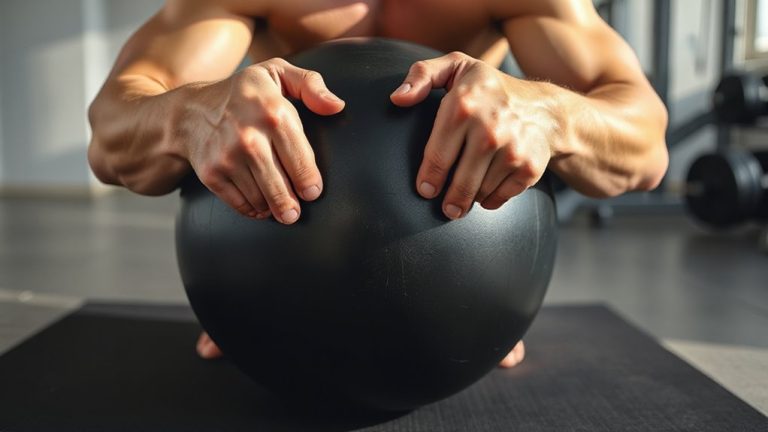
Start with a foam roller for large areas like quads and back, switching to a ball for precise spots like glutes and shoulders. Roll calves, hamstrings, quads, glutes, upper back, lats, chest, and hips in order-2 minutes per major group, less for smaller zones. Use slow, controlled passes, breathe deeply, and pause on tight spots. A dense roller boosts effectiveness. Stay neutral in your spine to protect joints. This daily 20-minute routine beats longer, infrequent sessions by maintaining mobility and reducing soreness-consistency wins. You’ll discover smarter ways to target tension as you go.
Notable Insights
- Follow a structured sequence: calves, hamstrings, quads, glutes, upper back, lats, chest, and neck/shoulders for balanced full-body coverage.
- Use a high-density foam roller for broad areas and a ball for targeted release in tight spots like glutes or shoulders.
- Maintain a neutral spine, roll slowly, and pause on tense areas while avoiding joints and fast, jerky movements.
- Allocate time efficiently-spend 1–3 minutes per muscle group, reserving the final 2 minutes for problem areas.
- Practice daily for 20 minutes to enhance recovery, reduce soreness, and build consistent self-myofascial release habits.
The 20-Minute Full-Body Foam Rolling Routine
You can get a lot out of just 20 minutes when you use them right-especially if you’re targeting every major muscle group with a structured foam rolling routine that balances efficiency and recovery. Start with your calves (2 minutes), move to hamstrings (2), then quads (3), followed by hip flexors and glutes (3). Roll your upper back (2), lats (2), chest (1), and finish with neck and shoulders (3). Allocate the remaining 2 minutes for tight spots. This approach maximizes time efficiency while promoting consistent muscle recovery. Foam rolling enhances blood flow and reduces soreness, making it a smart recovery tool. Though it won’t replace stretching or sleep, it complements them well. High-density rollers maintain shape and deliver deeper pressure, boosting performance over softer models. With regular use, you’ll notice improved mobility and fewer aches-evidence of effective self-myofascial release backed by both user feedback and fitness science. For best results, choose a high-density foam roller that suits your pressure tolerance and target muscle groups.
Foam Roller or Ball? Pick the Right Tool
A consistent 20-minute routine delivers real benefits, but the tool you choose shapes how effectively you reach those tight, knotted areas. When comparing tool types, foam rollers cover large muscle groups like quads and back, while balls target precise spots like glutes or shoulders. Your pick should match your needs: if you want broad release, a roller’s width helps maintain balance and rhythm. For deeper pressure, a ball concentrates force better. Surface texture matters too-smooth tools suit beginners, while textured or ridged ones break up stubborn adhesions more efficiently. Firmness also plays a role; softer options cushion impact, but denser rollers or balls deliver more intensity. Ultimately, combining both tool types in your routine maximizes coverage and depth. Choose based on your body’s feedback, not trends, and inspect surface texture regularly for wear. For enhanced muscle recovery, consider a vibrating foam rollers model that combines percussive therapy with traditional rolling techniques.
Roll Right: Form Tips That Prevent Injury
While proper tools set the foundation, incorrect form during self-myofascial release can undo those benefits and even lead to strain or joint discomfort. You’ve got to maintain proper alignment and use controlled breathing to stay safe and effective. Avoid rolling too fast or placing pressure on joints-your goal is muscle release, not joint compression. Keep movements slow and intentional, letting the roller or ball target tight areas without bouncing or jerking.
| Focus Area | Key Practice |
|---|---|
| Spine | Maintain neutral alignment |
| Breath | Use controlled breathing |
| Movement Speed | Roll slowly, pause on tension |
Proper alignment protects your spine and connective tissues, while controlled breathing helps relax the muscle under pressure. These habits maximize effectiveness, reduce injury risk, and make self-myofascial release a sustainable part of recovery. You’ll feel the difference in both comfort and results. Using a high-quality massage gun can enhance recovery by delivering targeted percussion to tight muscle groups.
Hit These 8 Major Muscle Groups (In Order)
Since timing and sequence matter when maximizing recovery, hitting the right muscle groups in a logical order guarantees you get the most out of your 20-minute self-myofascial release session. Start with your calves, then move to hamstrings, quads, glutes, upper back, lats, chest, and finish with hips. This progression maintains smooth flow between target areas while maintaining consistent pressure control. Begin each zone with light rolls to assess tension, then increase pressure gradually-avoiding joints and bones. Positioning matters: keep your core engaged to stabilize your body and isolate muscles effectively. Using a medium-density foam roller allows precise pressure control across varying muscle thicknesses. Addressing these eight zones in sequence improves circulation and reduces adhesions systematically. It’s efficient, avoids overworking one area, and balances recovery across upper and lower body. Stick to this order and you’ll enhance mobility without wasting time.
Why This Daily Routine Beats Longer Sessions?
You’ve probably tried longer foam rolling sessions, only to find soreness creeping in or motivation fading after a few days-but here’s the truth: consistency trumps marathon sessions when it comes to self-myofascial release. Short, daily routines offer measurable consistency benefits, gradually improving tissue quality without overloading your system. Unlike hour-long sessions weekly, 20 minutes daily keeps muscle tension in check and supports faster recovery. The time efficiency makes adherence realistic, even on busy days. Foam rollers and mobility tools perform best when used frequently, not sporadically. This routine fits easily into morning or post-workout schedules, enhancing circulation and range of motion over time. You’re not just releasing tightness-you’re building a sustainable recovery habit. Longer sessions may feel intense, but they often lead to burnout. With daily use, you see steadier progress, reduced soreness, and better long-term results-proving that smart, efficient recovery beats occasional effort every time.
On a final note
You’ll recover faster and move better by spending just 20 minutes daily on self-myofascial release. This routine boosts circulation, reduces muscle tension, and improves joint range-key for anyone active. Foam rollers work well for large areas like quads, while balls target tight spots like glutes or shoulders. Consistency beats duration: short, focused sessions deliver real results. Proper form prevents injury and maximizes benefits. Quality gear lasts longer and performs better, making it a smart investment in your recovery.