A Daily Mobility Practice for Cyclists to Counteract Hip Flexor Tightness
Cycling keeps your hips flexed, leading to tight hip flexors and weak glutes over time. A daily 5-minute mobility routine helps restore balance. Focus on dynamic movements like leg swings and hip circles, then stretch your hip flexors, glutes, and hamstrings. Add glute activation exercises-like bridges and clamshells-to re-engage underused muscles. Use a foam roller to release tension and improve tissue quality. Consistency beats intensity, and small daily efforts yield better long-term joint health and pedaling efficiency than occasional fixes-there’s more to optimizing your recovery with the right tools and timing.
Notable Insights
- Perform dynamic movements like leg swings and hip circles daily to improve hip range of motion and joint lubrication.
- Include deep lunges held for 30 seconds per side to stretch tight hip flexors post-ride or in the morning.
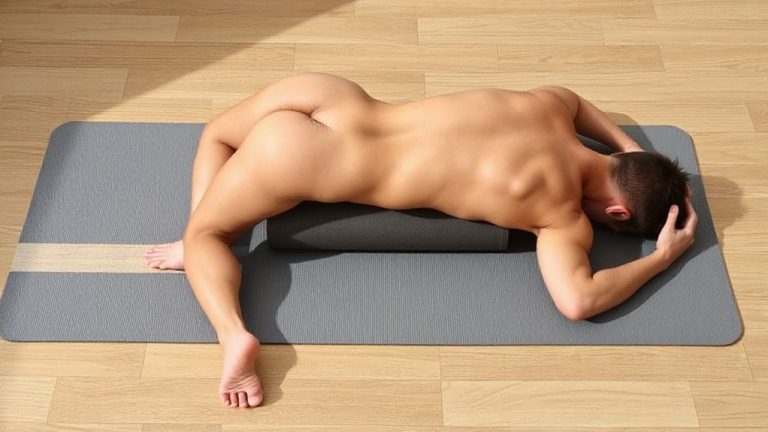
- Use supine figure-four and seated hamstring stretches to address glute and posterior chain tightness with a neutral pelvis.
- Activate underused glutes with banded clamshells and glute bridges to restore muscle balance and enhance pedal efficiency.
- Incorporate foam rolling and lacrosse ball release techniques regularly to improve tissue quality and support consistent mobility gains.
Why Cyclists Get Tight Hip Flexors
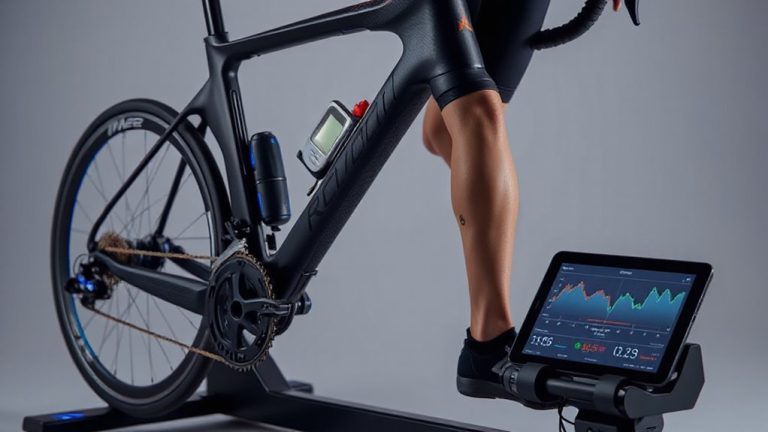
While you’re focused on power output and endurance, your body adapts in ways that aren’t always obvious-especially in the hip flexors. The cycling posture keeps your hips in constant flexion, shortening these muscles over time. Add in hours of repetitive motion with minimal range-of-motion variation, and it’s no surprise tightness develops. Unlike compound athletic movements, cycling doesn’t naturally engage hip extension, leaving the flexors chronically contracted. This imbalance can affect pelvic alignment and lead to lower back discomfort. Even high-end fitness gear-like ergonomic saddles or cleat systems-only mitigates symptoms; they don’t address the root cause. Recovery isn’t just about rest or compression wear; it demands structural balance. Ignoring hip flexor health undermines both performance and joint longevity. The biomechanical reality is clear: without intentional countermeasures, repetitive motion in a fixed position will compromise mobility, no matter how advanced your equipment or training plan.
Do This 5-Minute Hip Mobility Routine Daily
You’ve likely noticed stiffness in your hips after long rides, and now that you understand how cycling’s repetitive motion keeps your hip flexors locked in a shortened state, it’s time to take action. This 5-minute daily mobility routine boosts hip alignment and encourages joint lubrication through controlled, dynamic movement. Perform leg swings, hip circles, and kneeling pelvic tilts slowly, focusing on range of motion rather than intensity. These exercises prep connective tissues and stimulate synovial fluid production, which supports smoother joint function. Consistency matters more than duration-daily practice yields noticeable improvements in pelvic stability and stride efficiency off the bike. Unlike passive stretching, this routine actively engages stabilizing muscles, promoting balance around the joint capsule. Recovery gear like foam rollers can complement the routine but aren’t essential. For cyclists, maintaining hip mobility isn’t optional; it’s a fundamental component of long-term performance and joint health.
Stretch These 3 Areas to Improve Hip Extension
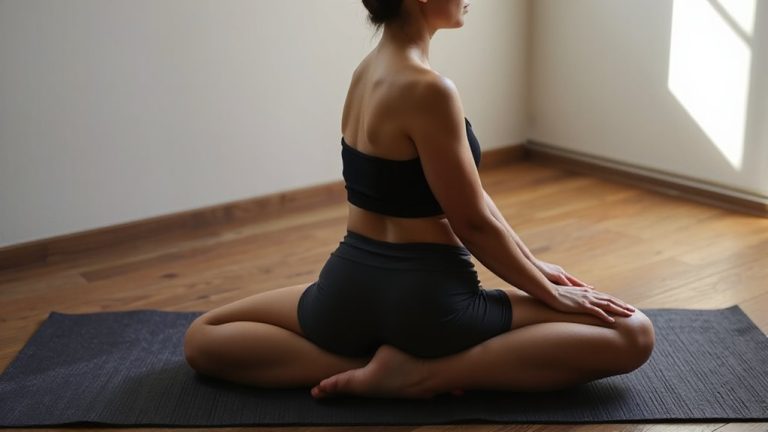
Since tight hip flexors from prolonged riding can limit your stride and reduce power transfer, it’s essential to stretch the areas that directly influence hip extension-namely the hip flexors, glutes, and hamstrings. You’ll get the best results by pairing static stretching with targeted release techniques. Spend 30 seconds per side in a deep lunge stretch to lengthen hip flexors, then move into a supine figure-four stretch to facilitate piriformis release and ease deep glute tightness. Follow with standing or seated hamstring stretches, ensuring your pelvis stays neutral to maintain lumbar stability. Avoid rounding your back, as poor form undermines the stretch and stresses the spine. Consistency matters more than intensity-daily, controlled stretching yields better long-term mobility than aggressive, sporadic efforts. These practices enhance stride efficiency and support joint health, especially when combined with proper recovery gear like foam rollers and adjustable mobility straps. Using an adjustable stretching strap can deepen your stretches safely and improve flexibility over time.
Activate Your Glutes to Balance Hip Muscles
If you’re spending hours in the saddle, chances are your glutes are underactive while your hip flexors and quads take over-leading to muscle imbalances that can compromise both performance and joint health. That’s where glute activation comes in. Simple exercises like banded clamshells, glute bridges, or fire hydrants prime your posterior chain before rides, ensuring your glutes contribute instead of disengaging. This isn’t just about strength-it’s about neuromuscular re-education. Consistent activation work supports better muscle balance, reducing compensatory strain on your hips and lower back. Cyclists who integrate these drills often report smoother pedal strokes and less fatigue. Gear like resistance bands or foam rollers can enhance effectiveness, but they’re optional-bodyweight exercises work when done mindfully. Prioritizing glute activation daily builds long-term resilience, especially when paired with off-bike movement. It’s a low-time, high-impact habit that pays dividends in joint alignment and pedaling efficiency.
Make Hip Mobility a No-Brainer Habit
Tight hips are a common trade-off of long hours on the bike, where repetitive motion locks the joint into flexion and limits its full range of movement. But with consistency, you can reclaim mobility and reduce injury risk. Make hip mobility a no-brainer habit by embedding it into your daily routine-right after rides or during morning prep. Use simple tools like foam rollers or hip hooks to target deep tissues effectively. The key is consistency, not intensity. Choosing the right foam roller density can significantly impact the effectiveness of your recovery sessions.
| Tool | Best For |
|---|---|
| Foam roller | Releasing outer hip tension |
| Hip flexor stretch strap | Improving extension range |
| Lacrosse ball | Trigger point release |
| Mobility band | Guiding joint alignment |
These tools enhance recovery when used routinely, improving tissue quality and joint mechanics over time. Invest in gear that supports repeat use without wear. A solid routine beats occasional deep sessions.
On a final note
You’ve put in the miles, and now your hips need equal attention. Tight hip flexors from cycling can limit performance and posture if ignored. This daily mobility practice isn’t just about stretching-it’s about restoring balance, activating underused glutes, and maintaining joint health. When combined with recovery-focused gear like compression shorts or foam rollers, the routine enhances flexibility and reduces stiffness. It’s smart, sustainable, and essential for long-term riding comfort and injury prevention.