Nutrition and Movement Synergy: Supporting Muscle Preservation in Aging Adults Through Light Activity
You preserve muscle best after 60 by pairing light daily activity-like walking or resistance band exercises-with consistent protein intake, especially leucine-rich sources at each meal. Supportive footwear and recovery slides enhance movement quality, reducing joint stress. Vitamin D, omega-3s, and magnesium further optimize muscle function. Fitness gear that promotes proper form helps you stay active with less fatigue, making long-term consistency achievable-and more effective than activity or nutrition alone. You’re likely overlooking how small, daily choices compound into lasting strength.
Notable Insights
- Light daily activity like walking slows muscle loss and enhances mobility when paired with proper nutrition.
- Consuming 25–30 grams of protein per meal supports muscle maintenance, especially when rich in leucine.
- Distributing protein intake evenly across meals maximizes muscle protein synthesis in older adults.
- Vitamin D and omega-3 fatty acids reduce inflammation and improve muscle strength and function.
- Combining balance exercises with post-activity protein intake within 30–60 minutes aids muscle recovery and fall prevention.
Why Keeping Muscle After 60 Matters Most
While aging is inevitable, losing strength doesn’t have to be-especially after 60, when muscle mass naturally starts to decline at a rate of 3–8% per decade. You need stronger muscles not just for daily tasks, but to support bone density and joint health. Without sufficient muscle, your skeleton bears more impact, accelerating osteoporosis risk and making fractures more likely. Joints, too, suffer without muscular support, increasing strain and contributing to discomfort or degeneration over time. Maintaining muscle acts like built-in shock absorption, stabilizing movements and reducing wear. Fitness recovery isn’t just about rest-it’s about preserving functional structure. Quality fitness gear, like supportive resistance bands or well-cushioned footwear, enhances this process by promoting proper form and reducing joint stress during use. These tools, paired with consistent effort, offer measurable protection for your body’s framework. You’re not just staying strong-you’re investing in mobility, resilience, and long-term independence.
How Light Activity Slows Age-Related Muscle Loss
Because muscle breakdown accelerates with age, even light activity can make a meaningful difference in slowing decline-especially when it’s consistent and well-supported by proper fitness gear. Activities like walking or balance training stimulate muscle fibers just enough to maintain strength without stressing joints. Combined with improved joint mobility, these moves reduce stiffness and support daily function. Proper footwear and supportive apparel enhance comfort and stability, making it easier to stay active.
| Without Activity | With Light Activity |
|---|---|
| Increasing weakness | Sustained strength |
| Frequent stiffness | Improved joint mobility |
| Higher fall risk | Better balance training outcomes |
| Rapid decline | Slowed muscle loss |
| Loss of independence | Greater daily autonomy |
Light activity, backed by smart gear choices, isn’t just safe-it’s essential preventive care. You don’t need intensity; you need consistency, support, and movement that honors your body’s changing needs. Choosing the right best recovery slides can further enhance comfort and promote consistent daily movement.
Daily Moves That Keep You Strong and Mobile
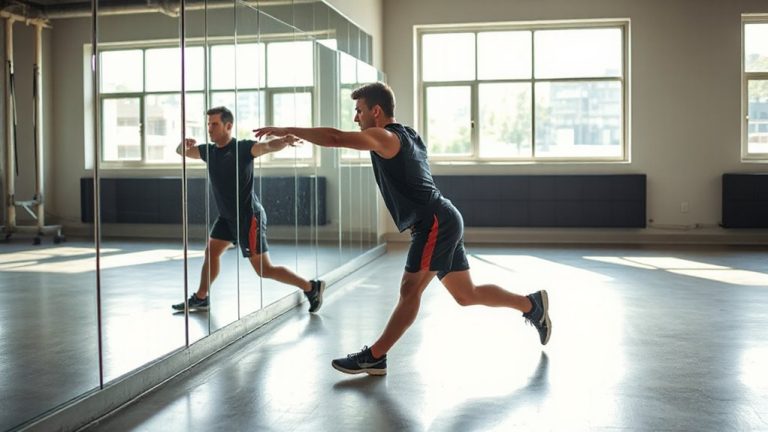
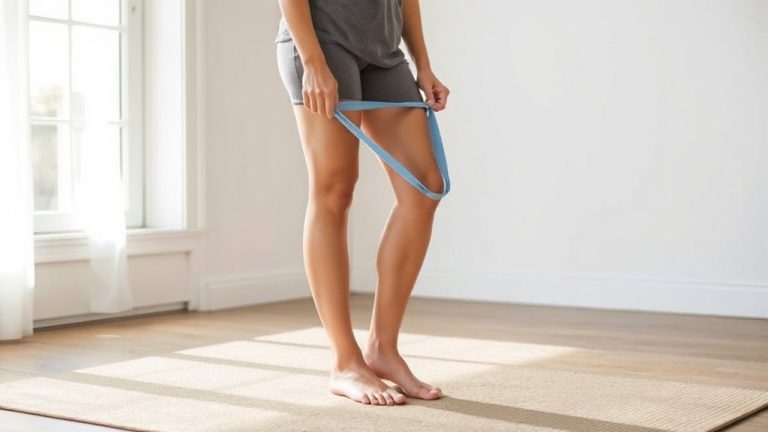
Even small daily movements can add up to significant gains in strength and mobility, especially when you’re working to counteract the natural decline that comes with aging. Simple habits like walking, stair climbing, or standing up from a chair help maintain functional strength. Incorporating balance training-like heel-to-toe walks or single-leg stands-reduces fall risk and improves stability over time. Joint mobility exercises, such as shoulder rolls or ankle circles, keep synovial fluid circulating, preserving range of motion and reducing stiffness. These moves don’t require equipment, though supportive footwear and non-slip surfaces enhance safety and performance. Consistency matters more than intensity; daily practice yields better long-term results than sporadic effort. Light resistance bands can aid progression without straining joints. Unlike high-impact routines, these low-stress activities promote recovery by increasing blood flow without taxing the body. When designed thoughtfully, your daily movement routine becomes a sustainable foundation for lifelong strength and independence.
Why Protein Is Non-Negotiable for Older Adults
You’ve already taken steps to stay active with daily movements that support strength and mobility, but without the right fuel, those efforts may not deliver their full benefits. As you age, your body becomes less efficient at building muscle, making protein non-negotiable. You need adequate protein to stimulate protein synthesis, the process that repairs and grows muscle fibers. Without enough high-quality protein, even regular activity won’t preserve muscle mass effectively. Each meal should include a solid source of protein to provide essential amino acids, especially leucine, which directly triggers synthesis. Older adults often consume too little, accelerating muscle loss. Spread your intake across the day-about 25–30 grams per meal-for best results. Relying on movement alone isn’t enough; protein is the key that activates your body’s ability to maintain strength. Skimping on it undermines your long-term mobility and independence.
Vitamin D, Omega-3s, and Magnesium: Top Nutrients for Muscle
Think of your muscles as high-performance engines-they need more than just protein to run smoothly. Vitamins and minerals play critical roles in muscle function, and among the most essential are vitamin D, omega-3s, and magnesium. You likely know sunlight exposure boosts vitamin D, which supports muscle strength and balance-low levels are linked to weakness. Omega-3s from fatty fish intake reduce inflammation and may enhance muscle protein synthesis, especially when combined with activity. Magnesium, involved in over 300 bodily reactions, helps regulate muscle contractions and relaxation. Without enough, you might experience cramps or reduced performance. These nutrients work best together, creating a foundation that supports muscle resilience. Getting them through a balanced diet-or supplements when necessary-complements light activity and helps maintain function as you age.
Stick With It: Beat Fatigue and Motivation Slumps
How do you keep moving when your energy dips and motivation fades? You rely on consistent, small efforts backed by smart strategies. Mindset shifts reframe how you view fatigue-not as a stop sign, but a temporary signal. Instead of pushing hard daily, you embrace light, purposeful movement that sustains muscle without excess strain. Habit tracking strengthens accountability; marking each walk or stretch session builds visible progress. Seeing a streak motivates continuation more than memory ever could. Wearable fitness gear supports this by offering real-time feedback-step counts, heart rate, inactivity alerts-all reinforcing behavioral momentum. These tools aren’t flashy, but they deliver functional value through consistency monitoring. Recovery isn’t passive; it’s built into your daily rhythm. When motivation slumps, your tracked habits and adjusted mindset carry you forward, ensuring continuity. The goal isn’t intensity-it’s persistence. With accurate data and realistic expectations, you maintain momentum, muscle, and long-term liveliness.
The Powerful Combo: Nutrition and Movement Together
While movement maintains muscle activity, it’s the combination with proper nutrition that truly drives preservation and long-term strength gains. You’re not just rebuilding-you’re optimizing when you align nutrient timing with your daily activity. Consuming protein and carbs within 30 to 60 minutes after light exercise boosts muscle repair, especially as your body becomes less efficient with age. This exercise pairing-strategic movement followed by timely fuel-enhances recovery more than either factor alone. Think of your meals as recovery gear: just as supportive footwear improves step quality, proper nutrients improve muscle response. Tools like resistance bands and activity trackers help maintain consistency, but they’re most effective when paired with dietary habits that sustain energy and repair. You don’t need extreme workouts or supplements-just smart, daily alignment of what you do and what you eat. That synergy is where real, lasting muscle health begins.
On a final note
You now know light activity and proper nutrition work together to preserve muscle after 60. Walking, stretching, and resistance moves maintain strength, while protein, vitamin D, omega-3s, and magnesium support muscle function. Consistency beats intensity here-small daily efforts yield long-term mobility and independence. Gear like supportive shoes or resistance bands helps, but motivation matters more. Combine smart eating with regular movement, and you’re not just aging-you’re aging well.