How Dry Needling Can Alleviate Symptoms and Speed up Recovery From Tendinitis
You can find relief from tendinitis with dry needling, which targets trigger points that contribute to muscle tension and tendon stress. By inserting thin needles into tight bands, it stimulates blood flow and reduces inflammation around the affected tendon. This method actively promotes healing better than rest or medication alone. Combined with exercise, it speeds recovery and improves function-especially when standard treatments fall short. There’s more to discover about how it fits into a full rehab plan.
Notable Insights
- Dry needling targets muscle trigger points that contribute to tendinitis pain and restricted movement.
- It stimulates blood flow to the affected area, promoting faster healing of inflamed tendons.
- The technique helps release muscle knots that can exacerbate tendon stress and delay recovery.
- Microstimulation from needles reduces localized inflammation and supports tissue repair.
- When combined with exercise, dry needling enhances recovery speed and short-term pain relief.
What Is Dry Needling for Tendinitis: and How Does It Work?
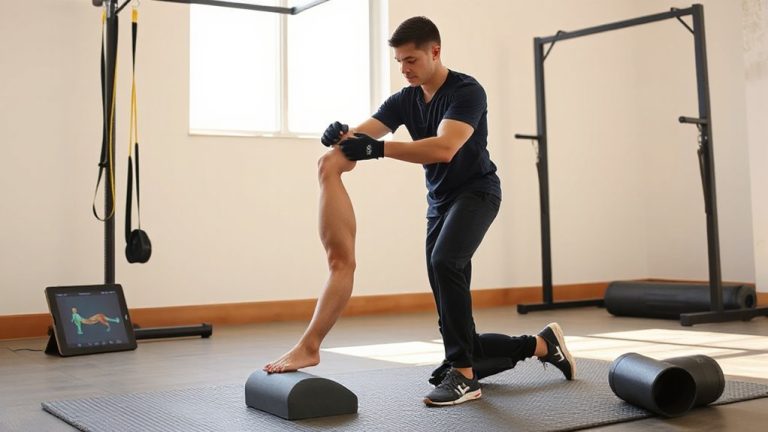
A growing number of physical therapists now use dry needling to treat tendinitis, especially when other conservative methods haven’t fully relieved pain or stiffness. You might try it when rest, stretching, or standard rehab hasn’t worked well enough. The technique involves thin-needle insertion directly into the affected muscle tissue-no medication is injected, which is why it’s called “dry.” This triggers localized muscle stimulation, helping to release tight bands and improve blood flow. You’ll likely feel a brief twitch or cramp, but discomfort is usually minimal. Research suggests dry needling can reduce pain and improve function, though results vary. It’s not a standalone cure, but paired with targeted exercises and proper recovery gear-like compression sleeves or foam rollers-it supports faster, more effective healing. Always seek a certified provider to guarantee safe, accurate treatment.
How Trigger Points Contribute to Tendinitis Pain
Muscle knots-those stubborn, tender spots deep within your tissue-might be fueling your tendinitis pain more than you realize. These trigger points form when muscle fibers tighten into small, hypersensitive bundles, often due to overuse or repetitive strain. When activated, they don’t just cause local discomfort; they can also generate referred pain, radiating discomfort along muscle pathways and mimicking or intensifying tendon inflammation. This referred pain often misdirects attention away from the true source, making tendinitis symptoms feel worse or more widespread than they should. If you’ve been stretching and resting without full relief, undetected muscle knots could be the hidden culprit. They restrict blood flow, impair muscle function, and contribute to ongoing tendon stress. Recognizing their role helps explain why some recovery methods fall short. Effectively addressing these trigger points isn’t just about comfort-it’s a key factor in resolving persistent tendinitis and improving overall recovery efficiency. Using targeted trigger point tools can significantly enhance the release of these stubborn knots.
How Dry Needling Reduces Inflammation in Tendons
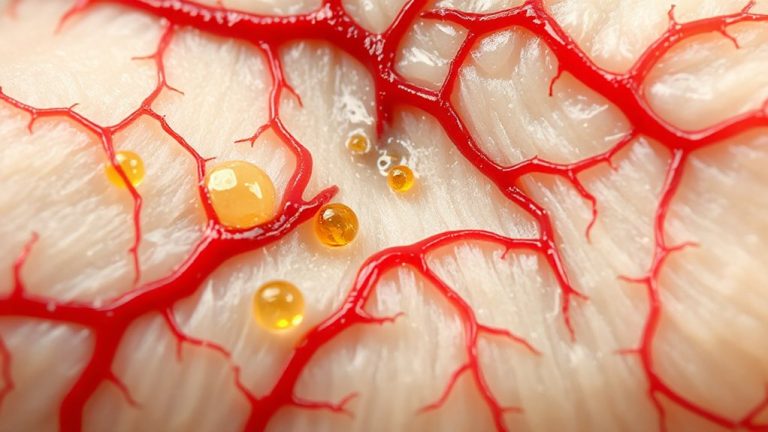
While you might think dry needling’s benefits stop at loosening tight muscles, it actually plays a direct role in calming inflammation within tendons. By inserting thin needles into specific trigger points, you’re not just releasing tension-you’re sparking a localized cellular response that promotes healing. This microstimulation increases blood flow and draws immune cells to the area, helping to clear inflammatory markers and reduce swelling. That shift creates a better environment for tendon repair, supporting the reorganization of collagen fibers critical for strength and flexibility. You’re not shutting down inflammation haphazardly; you’re guiding your body’s natural recovery processes more efficiently. Studies suggest this targeted approach enhances tissue regeneration without the systemic impact of medication. Though results can vary, many patients report decreased pain and improved mobility after just a few sessions. Dry needling, when performed correctly, doesn’t replace rest-but actively supports your body’s path toward resilient tendon repair.
Is Dry Needling Better Than Rest, Ice, or Medication?
You’ve seen how dry needling tackles inflammation at the cellular level, but now let’s compare it directly to more traditional recovery methods like rest, ice, and medication. While rest and ice can help manage swelling, they don’t actively promote muscle recovery or correct tissue dysfunction. Medication may assist with pain management, but it often masks symptoms without addressing the root cause. Dry needling, on the other hand, stimulates blood flow and nervous system response, accelerating healing in affected tendons. It’s not that rest or ice are useless-they’re foundational-but dry needling goes further by targeting trigger points that contribute to pain and restricted movement. For active individuals seeking faster, more effective recovery, dry needling offers a compelling alternative. When combined with proper rehabilitation, it supports long-term pain management and improved muscle recovery better than passive methods alone.
What Does Research Say About Dry Needling for Tendinitis?
Though research on dry needling for tendinitis is still evolving, current studies suggest it’s a promising tool for reducing pain and improving function in affected tendons. You’ll find that many clinical trials report noticeable short-term relief, especially when dry needling is combined with exercise therapy. However, evidence on the long term effects remains limited, with few studies tracking outcomes beyond six months. Still, patient satisfaction tends to be high, as many appreciate the quick reduction in discomfort and faster return to activity. Research also shows dry needling can improve blood flow and reduce muscle tension around the injured tendon, supporting the body’s natural healing. While it’s not a standalone cure, it’s increasingly seen as a valuable part of a broader rehab plan. You should consider it alongside proven methods, knowing results can vary.
What to Expect in a Dry Needling Session
How exactly does a dry needling session unfold? You’ll sit or lie comfortably while your practitioner locates tight muscle bands or trigger points linked to your tendinitis. After cleaning the skin, they’ll insert thin needles directly into these areas-no medication involved. You might feel a brief twitch or cramp, but it’s typically mild. The overall patient experience is usually tolerable, with many noticing reduced muscle tension immediately. Session duration is short, generally 10 to 20 minutes, though it’s often part of a longer rehab visit. Most find it less discomforting than expected, especially when performed by a skilled specialist. You can resume light activities afterward, making it practical for ongoing fitness recovery. While not a standalone fix, dry needling complements other therapies effectively. It’s a focused tool-efficient, evidence-supported, and increasingly integrated into modern rehab protocols for persistent tendon issues.
Is Dry Needling Safe for Your Type of Tendinitis?
Could dry needling be a safe option for your specific type of tendinitis? It often is, but safety depends on your condition and medical background. Your therapist evaluates your patient history to rule out contraindications like bleeding disorders or infections. Needle depth is carefully adjusted based on tendon location and tissue sensitivity-too deep could risk damage, too shallow may be ineffective. Below is a breakdown of common tendinitis types and treatment considerations:
| Tendinitis Type | Needle Depth (mm) | Patient History Check |
|---|---|---|
| Rotator Cuff | 20–40 | Shoulder injuries |
| Tennis Elbow | 15–30 | Repetitive strain |
| Achilles | 30–50 | Ankle instability |
| Patellar | 25–40 | Knee surgery history |
| De Quervain’s | 10–20 | Wrist trauma |
When applied correctly, dry needling offers targeted relief and supports fitness recovery without relying on gear or devices.
On a final note
You’re likely seeking effective recovery, and dry needling offers a science-backed option for tendinitis relief. It targets trigger points, reduces tendon inflammation, and often works faster than rest or medication alone. Research supports its use, especially when combined with physical therapy. While not risk-free, it’s generally safe when performed by a trained professional. For many, it’s a valuable tool-bridging the gap between pain and performance, helping you return to fitness with fewer setbacks and greater resilience.