The Role of Wearable Recovery Load Balancers in Preventing CNS Fatigue Accumulation
Your wearable tracks HRV and sleep quality to gauge CNS fatigue, giving you real-time alerts when recovery is low. By monitoring autonomic balance and rest patterns, it helps prevent overtraining before performance drops. Devices like WHOOP and Oura Ring use this data to guide smarter training decisions. You avoid pushing through fatigue unknowingly, reducing injury risk. These insights don’t just reflect your state-they actively shape better outcomes. There’s more to how they fine-tune your recovery.
Notable Insights
- Wearable recovery load balancers monitor HRV to detect early signs of CNS fatigue before performance declines.
- Continuous tracking of resting heart rate and HRV helps identify autonomic imbalances linked to CNS overload.
- Real-time alerts prompt athletes to adjust training when biometrics indicate insufficient recovery.
- Integration of sleep quality and HRV data provides a comprehensive view of CNS recovery status.
- Proactive interventions based on wearable data prevent minor fatigue from progressing into overtraining or injury.
How CNS Fatigue Hurts Performance
CNS fatigue-your body’s silent performance thief-doesn’t announce itself with flashing lights or acute pain, but it’s undermining your workouts just the same. You feel sluggish, not sharp, and even light weights seem harder than they should. That’s because CNS fatigue slashes neural efficiency, slowing the signals from your brain to your muscles. When those signals lag, your motor unit recruitment suffers-you can’t fire as many muscle fibers, or as quickly, which dulls power and precision. You’re not weak; your nervous system’s just overdrawn. Top performers know this isn’t just about tired legs-it’s about a drained command center. Without solid neural efficiency, even peak conditioning won’t translate into real-world strength or speed. Recovery isn’t passive; it’s strategic maintenance for your CNS. Ignoring it means compromised lifts, slower gains, and higher injury risk-all avoidable with smarter recovery habits and the right supportive gear. Incorporating tools like best massage guns can enhance neuromuscular recovery and help mitigate the buildup of CNS fatigue.
What Recovery Wearables Actually Track
While you’re focused on crushing workouts, your recovery wearable is quietly gathering data to keep your nervous system in check. It tracks Heart Rate Variability (HRV), a key marker of autonomic balance-higher HRV typically signals readiness, while lower values may point to fatigue. You’ll also get detailed feedback on sleep quality, including duration, deep sleep ratios, and disruptions, all of which directly influence CNS recovery. These devices use optical sensors and accelerometers to collect biometrics around the clock, offering a clearer picture than subjective self-assessment. Though accuracy varies across models, premium wearables integrate HRV trends with sleep data to deliver reliable insights. You’re not just monitoring numbers-you’re gauging your body’s capacity to handle stress. Over time, consistent tracking helps you recognize patterns, fine-tuning training and rest. It’s effective, but only when you act on the data intelligently.
How Real-Time Alerts Prevent Overtraining
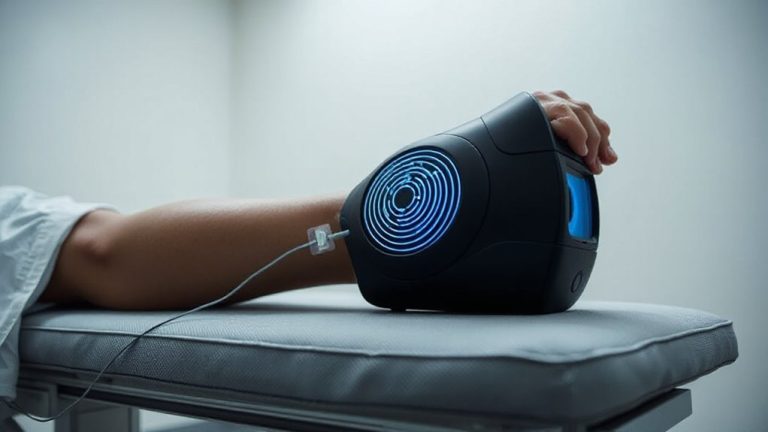
What if your fitness gear could warn you before burnout kicks in? With wearable recovery load balancers, that’s exactly what happens. These devices monitor physiological signals like heart rate variability and resting heart rate, comparing real-time inputs against personalized data thresholds. When your nervous system shows early signs of strain, the system triggers an alert-this timely response depends heavily on precise alert timing, which prevents minor fatigue from escalating. You’re notified the moment recovery lags behind stress, letting you adjust workouts before overtraining takes hold. Unlike generic fitness trackers, these wearables don’t just log activity-they interpret it intelligently. Missing these cues could mean accumulated CNS fatigue, reduced performance, or injury. By acting on these alerts, you maintain balance. The tech isn’t perfect, but its proactive approach, based on reliable data thresholds and responsive alert timing, makes it a smart tool for serious training.
Top Recovery Wearables for Athletes
Since recovery is just as critical as training, choosing the right wearable to monitor your body’s readiness can make a real difference in performance and long-term progress. Devices like WHOOP 4.0 track sleep quality with impressive accuracy, using biometrics to assess recovery scores daily. The Oura Ring offers similar insights, packing advanced sensors into a sleek design that’s comfortable overnight. For endurance athletes, monitoring muscle oxygenation with wearables like Moxy Sensor helps detect early fatigue, allowing for smarter cooldowns. Garmin’s newer models integrate both metrics, giving you a fuller picture without juggling multiple devices. While some gadgets overpromise, the best ones deliver consistent data and durable builds. They’re not perfect-battery life varies, and skin-tight fit is essential-but when calibrated correctly, they offer actionable feedback. You’ll find value not in flashy features, but in reliable, continuous monitoring that aligns with real recovery needs.
Use Your Wearable Data to Train Smarter
How do you know when to push hard or back off for recovery? Your wearable’s heart rate variability and sleep quality data give you the answer. Low heart rate variability often signals CNS fatigue, meaning your body isn’t ready for intense training. High variability, on the other hand, suggests you’re recovered and primed to push. Sleep quality metrics-like duration, interruptions, and deep sleep stages-also directly impact recovery. Poor sleep reduces resilience and amplifies fatigue. When both heart rate variability and sleep quality decline, it’s a clear sign to dial back intensity. Top recovery wearables track these indicators accurately, syncing data in real time. Using them daily helps you adjust workouts proactively instead of reacting to burnout. You’ll train smarter, not harder, optimizing performance while minimizing CNS strain. This data-driven approach beats guesswork every time.
On a final note
You’re getting more than just numbers when you use recovery wearables-they’re helping you dodge CNS fatigue before it stalls progress. By tracking HRV, sleep quality, and readiness scores, these devices spot strain early. Real-time alerts keep overtraining in check, letting you adjust workouts smartly. Top models like Whoop and Garmin offer reliable data, turning insights into better recovery habits. Used right, they’re not just gadgets-they’re practical tools for sustained performance.