Load Distribution for Gymnasts During Skill Progression Phases
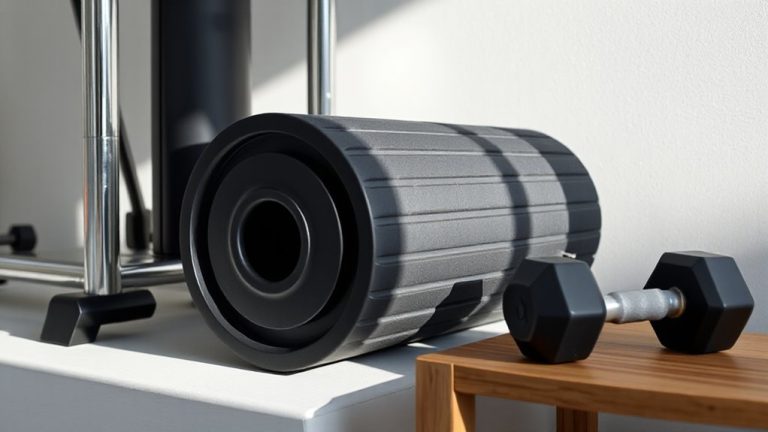
You’re building strength and skill in phases, and how you distribute training load makes all the difference. Early on, light loads and precise form reduce joint stress while your nervous system learns the movement. As you progress, you gradually increase intensity, shifting from isolated exercises to full-body drills that match real performance demands. Tissue resilience grows through small, smart increases in volume and recovery-backed by sleep, nutrition, and tools like foam rollers. Practicing under moderate fatigue keeps technique sharp without breaking you down. The right load at the right time doesn’t just prevent injury-it builds a more durable, capable version of you, ready for what’s next.
Notable Insights
- Distribute training load progressively, emphasizing neural adaptation with light loads in early skill phases.
- Shift load from isolated muscles to integrated kinetic chains as gymnasts advance to complex skills.
- Prioritize joint alignment and movement control to reduce stress and build resilient movement patterns.
- Increase systemic load gradually in advanced phases to match adaptation and prevent overuse injuries.
- Refine technique under moderate fatigue to reinforce proper neuromuscular control and reduce injury risk.
Why Load Management Prevents Injury in Skill Learning
While you’re mastering complex skills on the bars or perfecting a new tumbling pass, your body is adapting to intense physical stress-so managing that load isn’t just smart, it’s essential to staying injury-free. Overloading too soon compromises mental focus, increasing error risk and straining developing movement patterns. Proper load distribution supports recovery, allowing neural pathways to consolidate, which enhances skill retention. Without adequate rest, even the best technique deteriorates under fatigue, raising injury likelihood. Fitness recovery tools-like foam rollers and compression gear-help maintain tissue quality and reduce soreness, enabling consistent training. Used correctly, they’re not luxuries but practical aids that support physiological adaptation. Coaches who prioritize load monitoring often see fewer overuse injuries and sharper performances. You’re not just building strength-you’re refining control and precision over time. Smart recovery isn’t passive; it’s an active investment in long-term progress, mental focus, and reliable skill retention. For optimal results, choosing the right best foam rollers can make a significant difference in recovery quality.
How Load Distribution Shifts Through Each Phase
Because your training evolves as you progress through skill acquisition, load distribution must shift accordingly to support both physical adaptation and technical mastery. In early phases, you rely heavily on neural adaptation to build coordination, with light loads emphasizing proper movement patterns. As you advance, muscle recruitment becomes more efficient, allowing greater force production and joint stabilization. This shift demands increased systemic load, particularly during complex drills requiring strength and timing. You’ll notice load shifting from isolated muscles to integrated kinetic chains, enhancing performance while supporting skill mastery. Coaches adjust volume and intensity to match these changes, ensuring tissues adapt without exceeding recovery capacity. Monitoring fatigue becomes essential-overreaching can delay progress or increase injury risk. Proper recovery gear, like compression sleeves and foam rollers, helps maintain tissue quality and circulation, supporting consistent training. Ultimately, aligning load distribution with phase-specific goals optimizes long-term development.
Starting Safe: Reduce Joint Stress in Early Drills
How do you protect your joints without sacrificing skill development in the early stages of gymnastics training? You start by prioritizing joint alignment and movement control in every drill. When you maintain proper alignment-like keeping your knees over toes during landings-you spread forces evenly across tissues, reducing strain on any single structure. Movement control guarantees you execute each action with intention, not momentum, which decreases the risk of repetitive stress. Early drills should emphasize form over height or speed, allowing your neuromuscular system to build accurate patterns. Using progressions like hollow holds or controlled dismounts from low beams teaches your body to manage load safely. You’re not just preparing for advanced skills-you’re creating a resilient foundation. Consistent focus on these elements means you train smarter, stay injury-free, and progress confidently without skipping essential developmental steps.
Progress Gradually to Build Tissue Resilience
If you push too hard too soon, even the most precise technique won’t shield your body from overuse injuries-instead, building tissue resilience hinges on gradual, systematic progressions that match your body’s adaptation rate. Tissue adaptation doesn’t happen overnight; it requires consistent, manageable stress followed by recovery. That’s where progressive overload comes in-you slightly increase demand over time, letting tendons, bones, and muscles adjust without breaking down. Jumping too quickly to high-intensity drills overwhelms connective tissues, especially in wrists, shoulders, and ankles. Instead, add small load increments-more repetitions, slight angle changes, or longer holds-every few sessions. This approach guarantees structural gains keep pace with skill development. Recovery isn’t just rest-it’s part of the training. Quality sleep, nutrition, and mobility work support the process. Done right, progressive overload builds durable tissue, not just temporary strength. Skip it, and you risk setbacks that could’ve been avoided.
Refine Technique Under Realistic Training Loads
You can’t expect flawless technique to hold up when fatigue sets in and the body’s under real training loads-refining skill execution means practicing it not just in ideal conditions, but under the physical stress you’ll actually face in routines and competition. Skill refinement under load helps reinforce proper neuromuscular patterns, ensuring your movements stay precise even when tired. It’s not just about repeating the motion; it’s about maintaining alignment, timing, and control when it counts. Emphasizing movement efficiency reduces wasted energy and lowers injury risk, especially in high-intensity phases. You’ll notice smoother shifts, better force absorption, and sharper form. Training this way bridges the gap between isolated drills and full performance. Use targeted reps with moderate fatigue to simulate real demands without overloading. This method strengthens both technique and confidence, ensuring your body adapts intelligently, not just reactively, to the actual physical challenges of gymnastics.
Know When to Increase Intensity: And When to Hold Back
Building reliable technique under load lays the groundwork for smarter intensity management, because once your body adapts to performing with precision under stress, the next step is knowing when to push and when to ease off. You’ll start noticing subtle cues-like delayed reaction times or shaky form-that signal mental fatigue, even if you’re not physically drained. Pushing through that haze often leads to skill regression, undoing weeks of progress. Smart coaches monitor these dips closely, scaling back intensity before errors become habits. Recovery isn’t just about rest days; it’s also about adjusting volume and load based on daily performance. Fitness gear like compression sleeves or heart rate variability trackers can help, but they’re no substitute for self-awareness. Ultimately, knowing when to increase intensity comes down to consistency, not ego. Hold back when form falters, and you’ll progress faster in the long run.
On a final note
You’re reducing injury risk by managing load smartly through each phase. Early drills ease joint stress, letting tissues adapt gradually. As skills progress, controlled increases build resilience without overload. Refining technique under realistic loads cements muscle memory safely. Knowing when to push-or pull back-keeps training effective. Proper recovery and well-designed gear support this balance, enhancing performance while minimizing wear. Smart load distribution isn’t just efficient-it’s essential for long-term athletic development in gymnastics.