Load Distribution in Multi-Sport Adolescent Athletes to Prevent Overtraining
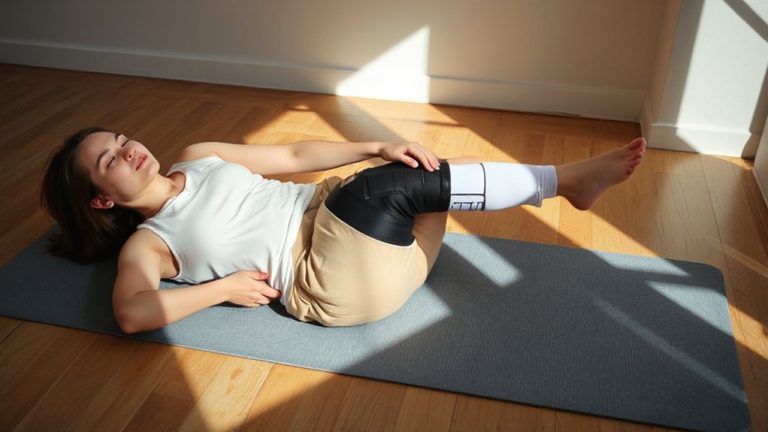
You’re at higher risk of overuse injuries when stacking sports without smart load distribution. Balancing training volume across weeks helps prevent repetitive stress and gives muscles, bones, and your nervous system time to adapt. Use recovery tools like foam rollers and compression gear to support repair. Watch for fatigue, irritability, or sleep issues-they signal overload. Prioritize rest days and recovery sleep. Coaches, parents, and you should align on workload to stay healthy and keep progressing.
Notable Insights
- Distribute training volume evenly across weeks to avoid excessive strain on adolescent musculoskeletal systems.
- Incorporate active recovery days to enhance circulation and support physiological adaptation without added stress.
- Monitor fatigue and performance changes to adjust load before overtraining or injury occurs.
- Rotate sports with overlapping seasons to reduce repetitive motion and joint-specific overuse.
- Prioritize sleep, nutrition, and hydration to optimize recovery during high-demand training periods.
Why Overtraining Hurts Multi-Sport Teens
You’re not doing your body any favors when you push through constant fatigue without proper recovery-especially as a multi-sport teen juggling soccer, basketball, and track in the same school year. Overtraining elevates injury risk by overwhelming your musculoskeletal system before it can adapt. When recovery lags, repetitive stress compounds, making strains, stress fractures, and joint issues more likely. Simultaneously, ignoring burnout signs-like declining motivation, irritability, or performance plateaus-compromises both mental and physical health. Fitness recovery isn’t just about rest; it’s about strategic load distribution across seasons and incorporating gear like compression wear or foam rollers to enhance circulation and tissue repair. These tools support recovery when timed correctly, but they’re no substitute for adequate sleep and planned deload periods. Ultimately, managing training volume with recovery gear and awareness helps sustain long-term performance while reducing both injury risk and burnout signs in adolescent athletes. Using targeted tools like best recovery bands can further accelerate muscle relief and support effective load distribution.
How to Spot Overtraining in Adolescent Athletes
How can you tell when training crosses the line into overtraining? You might notice persistent fatigue, declining performance, or nagging injuries despite consistent effort. Mood changes are a key red flag-your teen may become irritable, withdrawn, or unusually emotional. Sleep disturbances often accompany these shifts; they might struggle to fall asleep, wake frequently, or feel unrested even after full nights. These signs aren’t just random-they’re signals the body is under excessive stress. Overtraining disrupts hormonal balance and nervous system regulation, which directly impacts recovery. You should also watch for decreased motivation or concentration, as mental fatigue mirrors physical strain. Together, mood changes and sleep disturbances form a reliable early-warning system. Recognizing them early helps prevent long-term setbacks. Monitoring these symptoms gives you practical insight into your athlete’s load tolerance without relying solely on performance metrics or fitness gear data.
What to Do When Training Loads Get Too High
When does pushing through fatigue become counterproductive? When it increases injury risk and hinders long-term progress. If you’re constantly exhausted, your body can’t recover properly, and performance starts to decline. That’s where fatigue management becomes essential. You need to recognize warning signs-persistent soreness, irritability, or poor sleep-and act immediately. Reduce training volume or intensity, even if it feels disappointing in the short term. Prioritize sleep, hydration, and nutrition to support recovery. Injury monitoring is equally important: track niggles before they turn into serious issues using logs or wearable tech. Adjust training based on how your body responds, not just on schedules. Smart recovery isn’t laziness-it’s how you stay consistent and improve sustainably. Effective load management means working with your body, not against it, ensuring you stay strong, healthy, and ready for the next challenge.
How to Balance Multiple Sports Safely
Isn’t it tempting to dive into multiple sports at once, especially when passion and opportunity align? You can thrive by leveraging cross training benefits-different sports use varied muscle groups, boosting overall athleticism while reducing repetitive strain. Still, without smart load management, overlapping seasons increase injury risks. Apply injury prevention strategies like dynamic warm-ups, proper technique, and activity rotation to stay safe. Monitor weekly training volume across all sports, ensuring no single joint or movement pattern dominates. Supportive footwear and sport-specific gear also play vital roles-well-fitted, activity-appropriate equipment minimizes wear and enhances performance. You’re not just building skill; you’re building resilience. Balancing sports isn’t just about time management-it’s about physiological balance. With structured planning and attention to physical feedback, you’ll maintain performance while avoiding breakdowns. Keep movements varied, recover actively, and respect biomechanical limits.
Why Rest Days Are Non-Negotiable for Teen Athletes
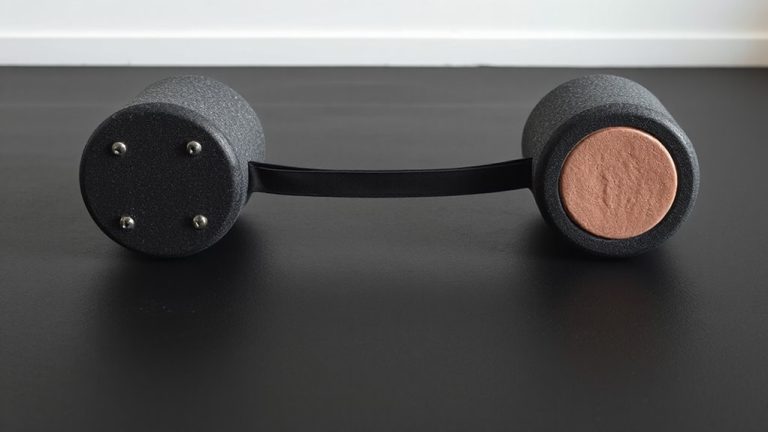
You need rest days not as a luxury but as a biological requirement, especially during adolescence when your body is still developing and adapting to intense physical demands. Without adequate downtime, your muscles, bones, and nervous system can’t fully recover, increasing injury risk and reducing performance over time. Rest doesn’t mean complete inactivity-active recovery, like light swimming or cycling, boosts circulation and speeds up repair. More than physical recovery, rest days protect your mental wellness, lowering stress and preventing burnout. Pushing constantly without pause disrupts sleep, weakens immunity, and hampers focus. Think of rest as performance training in disguise: it’s when your body consolidates gains from workouts. Ignoring it compromises long-term progress. Smart recovery gear-compression wear, foam rollers-can help, but only if paired with real rest. You’re not lazy when you rest-you’re rebuilding, refocusing, and getting stronger. Incorporating tools like best recovery balls can enhance muscle relief and support effective recovery on rest days.
Who Needs to Be on the Same Page About Training
How well do your coach, parents, athletic trainer, and you actually communicate about your training load and recovery needs? Without clear coach communication, even well-designed programs can lead to overtraining. Your coach should track your weekly workload, adjust intensity based on performance, and coordinate with support staff. But that’s only half the battle. Parent awareness plays a vital role-your parents need to understand the signs of fatigue, not just celebrate game-day wins. Are they encouraging rest, or pushing for more playtime? Misaligned expectations increase injury risk. You’re the athlete, but you’re not alone in this. Everyone must share updates on soreness, sleep quality, and emotional stress. When coach communication and parent awareness align with your feedback, load distribution becomes smarter. That coordination protects your long-term development and performance. Recovery isn’t optional-it’s part of training, and everyone must treat it that way.
On a final note
You’re managing a lot, and smart load distribution keeps you sharp and injury-free. Overtraining doesn’t just slow recovery-it harms growth and performance. By tracking fatigue, scheduling real rest, and using recovery gear like compression tools or quality foam rollers, you support long-term gains. These tools aren’t luxuries; they’re practical aids that enhance circulation and muscle repair when used consistently. Balance, communication, and recovery aren’t optional-they’re your foundation for lasting athletic success.