Load Monitoring Tools for Elite Cyclists During Grand Tours
You rely on chest strap HR monitors, pedal-based power meters, and wearable sensors to track real-time load during Grand Tours. These tools capture heart rate variability, power output, and muscle oxygenation, helping you optimize recovery and performance. Coaches use this data to adjust training, sleep, and nutrition, ensuring you peak at the right time. Smart chainrings and AI-driven platforms detect fatigue before injury strikes, giving you a strategic edge over three brutal weeks. There’s more to how this system fine-tunes every stage of your race plan.
Notable Insights
- Wearable sensors track muscle tension, hydration, and resting heart rate to monitor daily physiological load.
- Chest strap HR monitors provide accurate heart rate variability data for real-time fatigue assessment.
- Pedal-based power meters and smart chainrings measure wattage, torque, and cadence to quantify effort.
- Muscle oxygenation (SmO₂) sensors identify recovery needs by detecting tissue-level fatigue post-stage.
- AI-driven platforms integrate sleep, stress, and biomechanical data to guide recovery and training adjustments.
Why Load Monitoring Decides the Tour
While you might think the Tour de France hinges solely on raw power and endurance, it’s the teams that master load monitoring who often steer the race outcome. You’re not just managing fatigue-you’re optimizing recovery, sharpening race psychology, and syncing every effort with precision. Load data guides when to push and when to pull back, preventing burnout over three grueling weeks. It also shapes nutrition timing, ensuring glycogen stores are replenished exactly when muscles need them most. Without this balance, even the fittest riders crumble under cumulative strain. Top teams use wearable sensors and software that track training stress scores, then adjust sleep, diet, and tapering accordingly. These tools aren’t just gadgets-they’re decision engines. When you align physical load with mental readiness and fueling windows, performance stays elevated. Ultimately, victory doesn’t go to the strongest, but to those who recover smarter. Load monitoring isn’t optional-it’s the backbone of modern endurance dominance.
What Metrics Riders Track Every Day
You’re tracking more than just speed and distance when you lace up your cycling shoes each morning-modern riders rely on a suite of daily metrics to stay ahead of fatigue and fine-tune performance. Muscle tension is monitored closely through wearable sensors and post-ride assessments, helping you detect early signs of strain or imbalances before they turn into injury. Hydration levels are checked via urine color charts and sweat tests, ensuring you maintain electrolyte balance, especially during grueling stages in extreme heat. You also log resting heart rate, sleep quality, and perceived exertion to gauge recovery status. These data points guide nutritional intake, rest decisions, and training adjustments. While fitness recovery gear like compression boots and massage rollers offer benefits, their effectiveness depends on consistent use and accurate input metrics. Without tracking the right daily indicators, even the best recovery tools fall short.
The Devices That Capture Real-Time Load
As you push through a tough interval session, your body’s response is being captured in real time by a new generation of load-monitoring devices designed to quantify effort beyond the basics. These tools track both heart rate and power output with impressive accuracy, giving coaches and athletes actionable data on performance strain. Modern wearables and power meters sync seamlessly, offering continuous insight without disrupting training flow.
| Device Type | Key Metric Tracked |
|---|---|
| Chest strap HR monitor | Heart rate variability |
| Pedal-based power meter | Power output (watts) |
| Smart chainring | Torque and cadence |
| Wrist-worn optical sensor | Heart rate (non-invasive) |
While chest straps still lead in heart rate precision, newer optical sensors offer convenience with modest trade-offs. Pedal and crank systems excel in measuring power output, critical for evaluating true mechanical load. Choosing the right combo depends on your need for accuracy versus comfort during long stages.
Using Load Data to Speed Up Recovery
How do you know when to push harder and when to pull back? Your load data gives you the answer. By tracking muscle oxygenation, you can spot when tissues aren’t recovering efficiently-low SmO₂ levels post-stage mean your muscles need more support. Pair that with markers of neural fatigue, like slowed reaction times or reduced power output despite effort, and you’ve got a clear picture of nervous system strain. Devices measuring these metrics help tailor recovery: if muscle oxygenation stays depressed and neural fatigue spikes, passive recovery, cold therapy, or adjusted sleep become priorities-not another hard session. These tools don’t just collect data; they guide smart decisions. Ignoring them risks overreaching. Using them well means bouncing back faster, with better physiological readiness. Recovery isn’t guesswork anymore; it’s a measurable, manageable part of elite performance. The right gear turns subtle signals into actionable insights.
Managing Fatigue Across Back-to-Back Stages
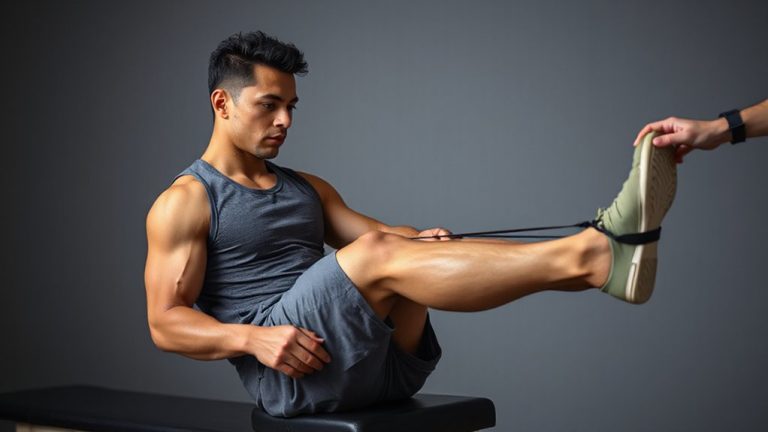
What if fatigue didn’t have to pile up race after race? You’re riding back-to-back stages under extreme load, and without precise monitoring, small imbalances become crippling. Muscle asymmetry analysis lets you catch uneven power output or strain between legs early-often before soreness kicks in. This isn’t just data; it’s a window into how your body copes with repeated effort. Pair that with gut health tracking, which monitors inflammation markers and nutrient absorption, and you’ve got a clearer picture of systemic fatigue. When your gut’s stressed, recovery slows, no matter how perfect your sleep or hydration. Elite teams now use these tools daily during Grand Tours, adjusting nutrition and rest based on real-time feedback. It’s not about pushing harder-it’s about staying balanced. You stay in the race not by brute force, but by listening to what the data reveals.
Next-Gen Tech Changing Tour Load Monitoring
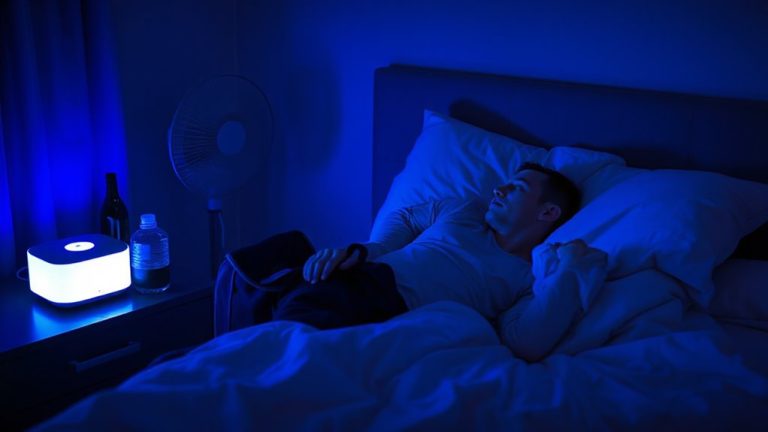
While power meters and heart rate monitors once defined the limits of performance tracking, you’re now seeing a shift toward smarter, more integrated systems that go beyond raw numbers. Wearable sensors and AI-driven platforms now assess biomechanical stress in real time, flagging asymmetries or fatigue markers before injuries arise. These tools sync with sleep trackers that evaluate sleep quality, detecting how well your body recovers between grueling stages. When combined, the data reveals patterns invisible to traditional metrics-like how poor sleep amplifies muscle strain or alters pedal efficiency. You’re not just logging output anymore; you’re managing physiological load holistically. Coaches use these insights to tweak training, travel, and rest schedules mid-Tour. Though some gear demands careful calibration and consistent wear, the payoff in injury prevention and performance optimization is clear. This isn’t just tech for tech’s sake-it’s recovery intelligence built into the race.
On a final note
You rely on load monitoring tools to stay competitive across grueling stages, and rightly so-they transform raw effort into actionable insights. Heart rate variability, power output, and sleep efficiency guide recovery and prevent overtraining. Wearables like smart rings and GPS units capture data with solid accuracy, though battery life and calibration need attention. Used wisely, this gear sharpens performance, but it’s no substitute for listening to your body. Balance tech with instinct.