Using Aromatherapy to Improve Sleep Quality in Anxious Injured Athletes
You’re likely struggling with sleep due to pain, stress, and heightened nighttime anxiety from your injury. Aromatherapy, especially with lavender and chamomile, can help-it calms your nervous system, lowers cortisol, and reduces sleep onset time. Used nightly in a diffuser, it pairs well with recovery gear and improves sleep quality without side effects. The scent signals your brain to unwind, making it a practical, science-supported addition to your recovery routine. There’s more to explore about optimizing it effectively.
Notable Insights
- Aromatherapy with lavender reduces anxiety and improves sleep onset in injured athletes by calming the limbic system.
- Lavender and chamomile together enhance relaxation through synergistic sedative effects on the nervous system.
- Diffusing lavender 30 minutes before bed helps lower cortisol, reducing nighttime stress and improving sleep quality.
- Using pure essential oils in a cool, dark room optimizes the sleep environment for anxious, injured athletes.
- Consistent nightly aromatherapy use conditions the body to associate scent with sleep, improving long-term sleep patterns.
Why Can’t Injured Athletes Sleep?
An injured athlete’s struggle to sleep often stems from a mix of physical discomfort and psychological stress, both of which disrupt natural recovery rhythms. You’ve likely noticed how pain sensitivity flares at night, making even slight movements unbearable. This heightened response isn’t just perception-your nervous system stays alert due to inflammation and disrupted neural feedback. On top of that, muscle tension lingers, especially if you’ve been immobilized or altered your routine. Your body holds stress in the shoulders, back, and legs, creating a cycle where discomfort prevents rest and lack of sleep worsens physical strain. Recovery gear like compression wraps or advanced foam rollers can help, but they don’t override poor sleep. Without quality rest, tissue repair slows, and performance metrics decline. You need more than equipment-your recovery strategy must include addressing sleep as a core component, not an afterthought.
How Aromatherapy Reduces Anxiety Naturally
You’re not just fighting physical pain when you lie awake at night-your mind’s running on overdrive, replaying setbacks, missed training, and the pressure to bounce back. Aromatherapy helps by targeting the limbic system, which governs emotions and stress responses. When you inhale certain scents, like lavender, your brain processes them rapidly, triggering calming signals. Research consistently supports lavender efficacy in reducing anxiety, showing measurable improvements in heart rate and subjective stress levels. This isn’t just placebo-studies confirm it aids cortisol regulation, lowering the stress hormone’s nighttime spikes. Reduced cortisol means your body shifts from alertness to rest mode more smoothly, making sleep attainable. For injured athletes, this natural intervention complements recovery protocols without side effects. Unlike pharmaceuticals, aromatherapy integrates easily into nightly routines, offering a non-invasive tool. When used consistently, it supports psychological resilience, helping you regain control-mentally and physiologically-during rehab.
Best Essential Oils for Injured Athletes’ Sleep and Stress
Lavender stands out as the most researched essential oil for promoting restful sleep and managing stress in injured athletes. You’ll benefit from its calming aroma, which supports reduced cortisol levels and improved sleep onset-key when recovery demands quality rest. The lavender benefits extend beyond sleep; they include eased muscle tension and a quieter mind, both essential during physical rehabilitation. Chamomile, while less studied in athletes, offers gentle sedative properties. The chamomile effects help soothe nervous system overactivity, making it useful when anxiety disrupts rest. When combined, these oils provide a synergistic effect, enhancing relaxation without drowsiness the next day. Though individual responses vary, clinical trials suggest consistent improvements in sleep quality and perceived stress. For anxious injured athletes, integrating these evidence-backed oils into recovery protocols offers a natural, low-risk complement to traditional therapies-no special gear needed, just consistent, informed use.
How to Use Aromatherapy for Better Recovery Sleep
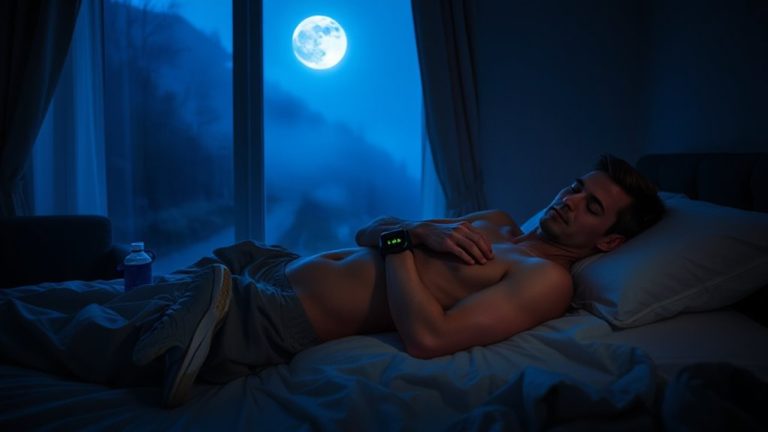
How can you make aromatherapy work effectively in your recovery routine? Start with Lavender diffusion about 30 minutes before bedtime-this method consistently promotes relaxation and helps quiet racing thoughts. Use an ultrasonic diffuser for consistent particle dispersion and ideal scent concentration. Combine this with deliberate improvements to your Sleep environment: keep the room cool, dark, and quiet, and remove electronic distractions. Consider pairing aromatherapy with recovery gear like compression devices or cooling pillows to enhance physical restoration. Consistency matters-use the same scent and routine nightly to condition your body’s sleep response. While aromatherapy isn’t a standalone fix, its integration into a structured recovery plan improves sleep onset and depth. Choose high-quality, pure essential oils to avoid irritation. With proper use, Lavender diffusion becomes a reliable, non-invasive tool that complements both mental and physical recovery, supporting athletes when rest is critical.
Does Science Support Aromatherapy for Sleep?
Could the calming scent of lavender actually influence your sleep quality on a physiological level, or is it merely a placebo effect wrapped in essential oil marketing? Research suggests your olfactory response plays a key role-scents like lavender may reduce heart rate and cortisol levels, aiding sleep onset. While some benefits stem from the placebo effect, others are measurable, showing improved sleep architecture in clinical trials. Below is a summary of key findings:
| Mechanism | Evidence Strength | Practical Impact |
|---|---|---|
| Olfactory response | Strong | Direct brain signaling |
| Placebo effect | Moderate | Subjective improvement |
| Hormonal changes | Strong | Lower cortisol, better sleep |
| Sleep latency | Moderate | Faster to fall asleep |
| Long-term efficacy | Emerging | Needs consistent use |
Aromatherapy isn’t magic-it’s a tool that, when used wisely, supports real recovery.
On a final note
You’ll find aromatherapy offers a practical, non-invasive way to support sleep during athletic recovery. When injury heightens anxiety, essential oils like lavender and chamomile can calm the nervous system, easing the mental barriers to rest. Evidence suggests inhaled aromatherapy improves sleep quality, especially when paired with consistent recovery routines. Though not a standalone fix, it complements proper gear, nutrition, and rest-key pillars of fitness recovery. Used wisely, it’s a valuable, science-backed tool.