Improving Sleep Latency Through Progressive Muscle Relaxation Routines Customized for Injury-Rehabbing Athletes
You’re probably not getting enough rest because injury keeps your nervous system overactive, slowing recovery. Progressive muscle relaxation (PMR) helps by reducing muscle tension and shifting your body into rest-and-digest mode, cutting sleep latency. Focus on controlled breathing and sequential muscle releases-avoiding injured areas-to enhance neuromuscular control. Customizing PMR to your rehab stage improves safety and long-term resilience. Skip common mistakes like shallow breathing or rushing releases. There’s more to gain when you fine-tune PMR with the right recovery gear for deeper, more restorative rest.
Notable Insights
- Progressive Muscle Relaxation (PMR) reduces sleep latency by lowering muscle tension and shifting the nervous system to rest-and-digest mode.
- Athletes recovering from injury benefit from PMR’s ability to improve sleep quality and support tissue regeneration and hormonal balance.
- Customizing PMR routines avoids injured areas while maintaining neuromuscular engagement through breath focus and mental imagery.
- Proper PMR technique includes 5–7 seconds of tension and 20–30 seconds of release, especially in non-injured muscle groups.
- Consistency with guided audio or journaling helps prevent common errors like shallow breathing and rushing the relaxation sequence.
Why Sleep Matters: PMR’s Role in Athletic Recovery
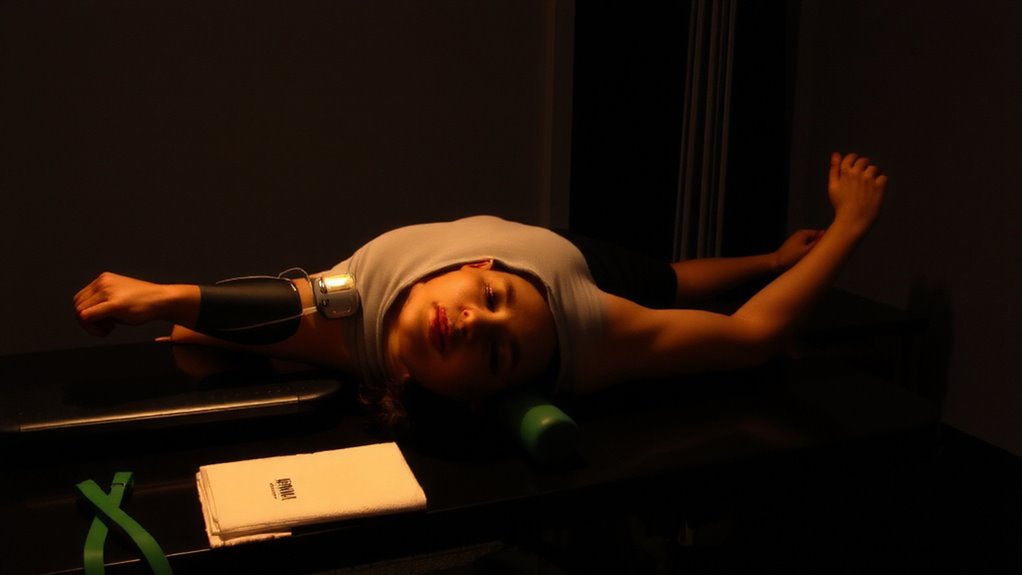
Recovery isn’t just about rest-it’s about quality rest, and sleep latency, the time it takes to fall asleep, plays a crucial role in how effectively your body repairs itself after injury. When you’re healing, every minute counts, and delayed sleep onset undermines tissue regeneration, hormonal balance, and inflammation control. Poor sleep latency doesn’t just slow physical recovery-it affects mental health, increasing anxiety and depressive symptoms that can hinder injury adaptation. Progressive Muscle Relaxation (PMR) helps by reducing physiological arousal, calming muscle tension, and cueing your brain that it’s safe to shift into rest. Unlike fitness gear focused on performance, PMR targets recovery at a neurological level, requiring no equipment-just consistency. It’s not a quick fix, but a sustainable practice. Over time, athletes report faster sleep onset, deeper rest, and improved emotional resilience, all essential for managing the psychological and physical demands of rehabilitation.
How PMR Calms the Nervous System for Faster Sleep
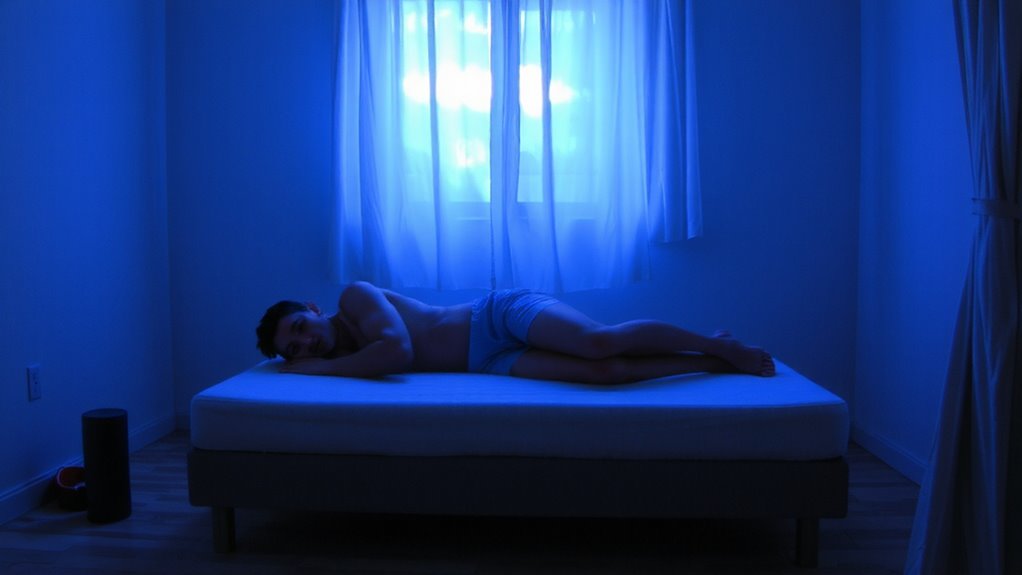
How does a simple mental shift translate into faster sleep when your body’s on edge? When you’re injured and trying to recover, your nervous system often stays stuck in overdrive, keeping muscle tension high and sleep delayed. PMR works by intentionally tightening and then relaxing specific muscle groups, sending signals to your brain that it’s safe to wind down. This directly calms your nervous system, shifting it from fight-or-flight mode to rest-and-digest-exactly what you need before sleep. As muscle tension drops, so does mental arousal, making it easier to drift off. Studies show this method reduces sleep latency markedly, especially in physically active populations. For rehabbing athletes, whose bodies are stressed from both injury and inactivity, PMR isn’t just helpful-it’s strategic recovery support. It requires no gear, just attention, making it practical and effective night after night.
Try This Step-by-Step PMR Routine for Injured Athletes
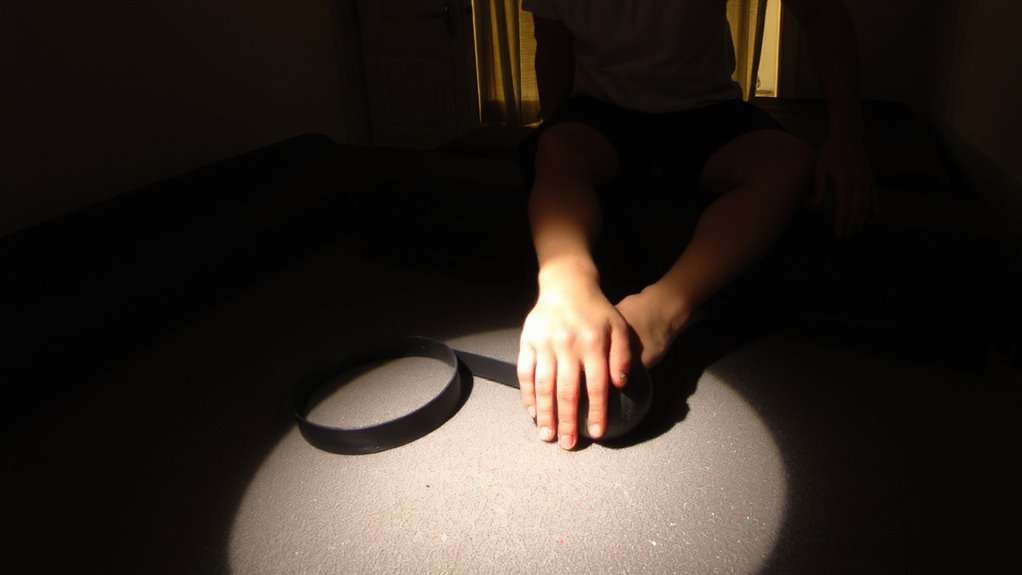
While your body heals from injury, even small shifts in routine can make a real difference in sleep quality-especially when you’re dealing with the frustration of forced inactivity. Start this PMR routine by lying comfortably, focusing on breath awareness as you inhale slowly through your nose and exhale through your mouth. Tense your feet for five seconds, then release, noticing the contrast between tension and relaxation. Work upward-calves, thighs, abdomen-using mental imagery to envision each muscle softening like melting ice. Pause briefly between groups to maintain breath awareness and deepen focus. Continue through arms, shoulders, and face, avoiding any injured areas without compensation. This sequence typically takes 15 minutes and leverages neuromuscular feedback to reduce sleep latency. Athletes report faster sleep onset when mental imagery enhances bodily awareness, making PMR not just a relaxation tool but a precise recovery technique that complements rehab-focused fitness gear.
Adapt PMR to Your Injury and Rehab Level
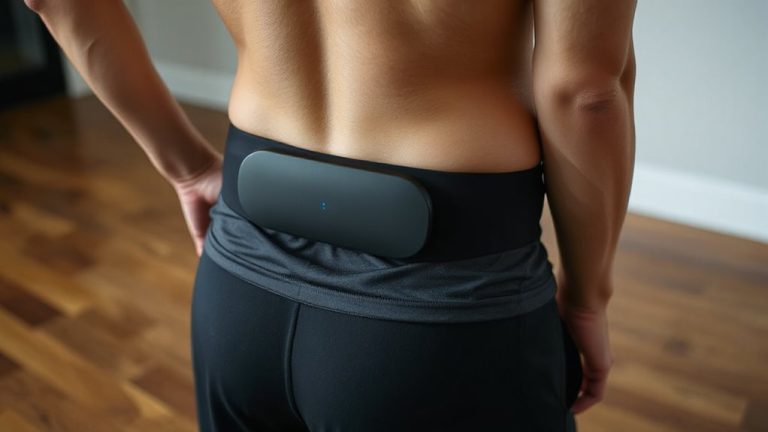
If your rehabilitation journey involves modified movement and targeted recovery, adjusting your PMR routine to match your injury type and rehab stage isn’t just practical-it’s essential for effective sleep support. You’ll need to prioritize breath focus and muscle isolation, tailoring each step to avoid strain while maximizing relaxation. For early-stage rehab, skip contracting injured areas-instead, use gentle mental cues and breath focus to promote awareness without tension. As you progress, reintroduce muscle isolation gradually, ensuring movements align with your physical limits. A well-fitted support brace or recovery gear can enhance proprioception during practice, improving form and confidence. The goal isn’t uniform intensity but strategic, mindful engagement. Overloading compromised muscles undermines recovery; smart adaptation supports it. By syncing PMR with your rehab timeline, you maintain neuro-muscular connection safely. This customized approach doesn’t compromise effectiveness-it sharpens it, delivering better sleep onset and long-term recovery outcomes. Incorporating advanced tools like muscle recovery devices can further accelerate healing and support restful sleep.
Don’t Make These PMR Mistakes While Healing
Isn’t it ironic that an exercise meant to reduce tension could actually slow your recovery if done incorrectly? When you’re healing, PMR should support rest and muscle regulation, but mistakes like improper breathing can undermine its benefits. You might inhale too shallowly or hold your breath, which spikes cortisol instead of lowering it. That’s counterproductive when you’re trying to improve sleep latency. Equally common? Skipped muscle groups-especially smaller ones like the hands or feet-leading to uneven relaxation. This disrupts the mind-body sync vital for recovery. Don’t rush through sequences; each contraction should last 5–7 seconds, followed by a 20–30 second release. Use a guided audio or journal to stay consistent. Proper form guarantees your nervous system downshifts effectively, promoting deeper rest. Avoid these errors, and PMR becomes a reliable tool-not a setback-in your rehab.
On a final note
You’ll recover faster when sleep quality improves, and PMR helps by reducing muscle tension and calming your nervous system. For injured athletes, this technique supports healing without straining compromised areas. Customizing PMR to your rehab stage guarantees safety and effectiveness, while avoiding common mistakes like over-tensing prevents setbacks. Used correctly, it’s a practical, no-cost recovery tool that complements therapy and enhances readiness for return to training.