Hip Mobility Drills With Seated Butterfly Stretches for Inner Thigh Release
You’re probably overlooking how tight hips and inner thighs restrict your movement, but the seated butterfly stretch-baddha konasana-actively releases adductors while boosting hip and groin mobility. Perform it with a tall spine, feet together, and knees gently lowered. Add dynamic rocking or pulsing to enhance blood flow and neuromuscular control. Avoid slouching or forcing depth to prevent strain. Pair it with leg swings, hip circles, and deep squat rock-outs for a complete mobility sequence, especially in the morning to reset muscle tone. There’s a smarter way to build lasting flexibility and balance in your lower body.
Notable Insights
- Perform the seated butterfly stretch to target inner thighs and improve hip mobility by opening the adductors and hip flexors.
- Engage core and keep the spine tall to avoid rounding the back and maximize stretch effectiveness.
- Use dynamic variations like gentle side-to-side rocking to enhance blood flow and release tight inner thigh muscles.
- Avoid forcing knees downward; instead, use elbows to apply gradual pressure for safe, progressive opening.
- Combine with leg swings, hip circles, and deep squat rock-outs for a complete hip mobility routine.
What Is the Seated Butterfly Stretch and Why It Works
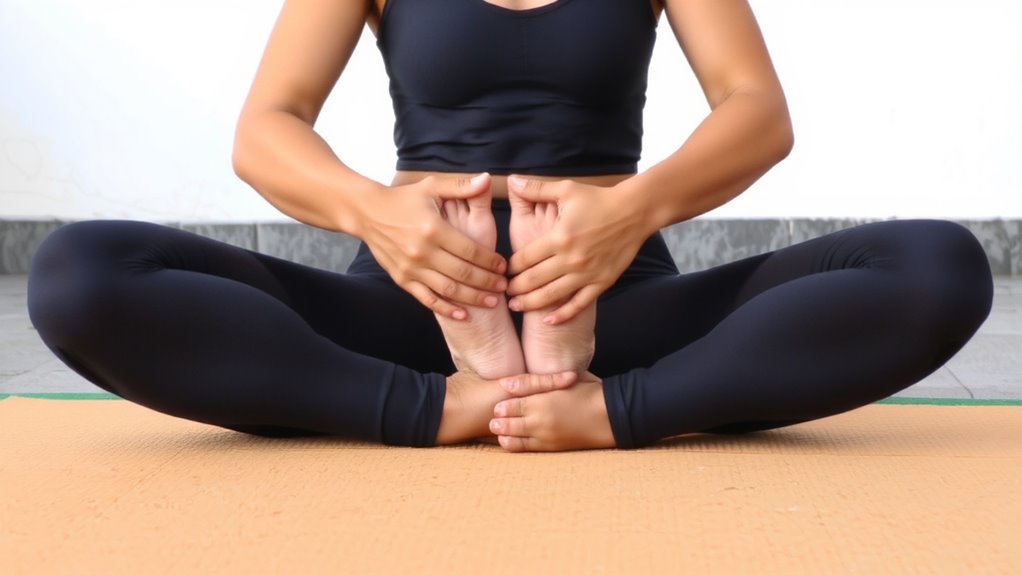
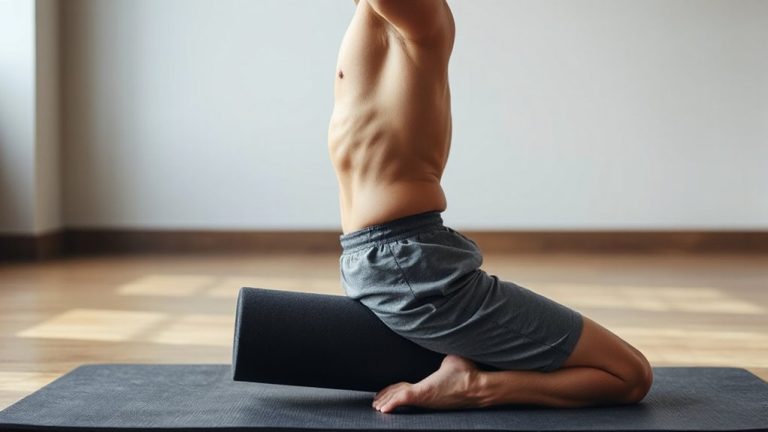
The seated butterfly stretch, also known as *baddha konasana* in yoga, is a foundational hip mobility drill that targets the groin, hips, and lower back. Your anatomy focus includes the adductors, gluteus maximus, and hip flexors, all essential for lower-body movement. This stretch promotes balanced muscle activation by encouraging the inner thighs to relax while the spine maintains alignment, enhancing neuromuscular coordination. Unlike passive stretches, it engages stabilizing muscles, making it effective for both warm-ups and recovery. When used consistently, it supports flexibility gains and reduces tightness caused by prolonged sitting. Fitness recovery isn’t just about rest-tools like foam rollers or supportive yoga mats can amplify results by improving posture and comfort during the stretch. Though simple, its biomechanical efficiency makes it a smart choice for anyone serious about mobility. You don’t need advanced gear-just proper form and regular effort. For deeper tissue release before or after this stretch, consider using a high-density foam roller.
How to Do the Seated Butterfly Stretch Correctly
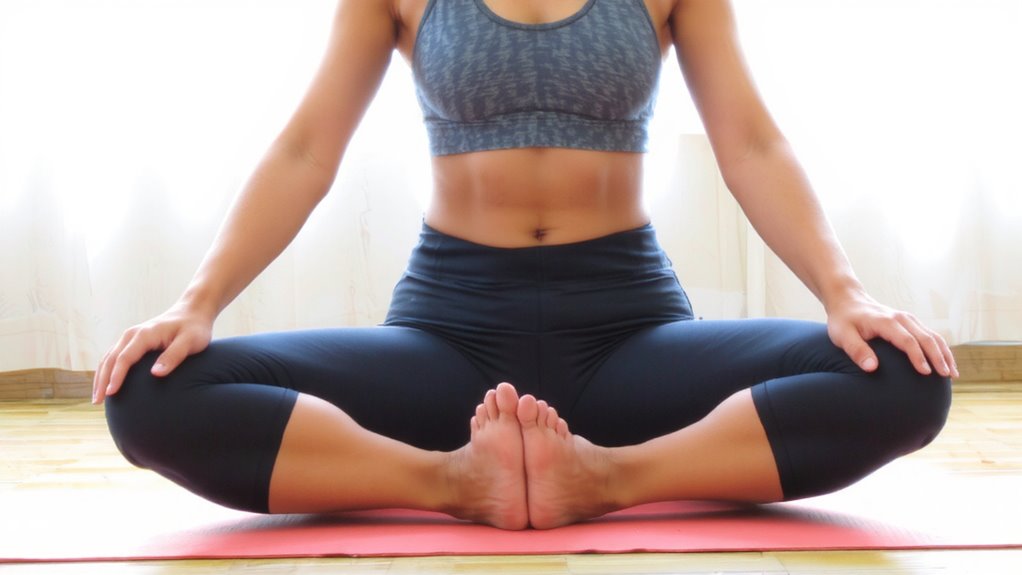
Start by sitting on a mat with your spine tall and legs extended, then bend your knees to bring the soles of your feet together, letting your knees drop outward-this positioning activates the adductors while encouraging pelvic stability. Hold your feet with both hands and draw them slightly closer to your body, maintaining proper alignment: keep your chest lifted and avoid rounding your lower back. Engage your core to support spinal integrity throughout the stretch. Apply gentle pressure to your inner thighs by using your elbows to guide your knees down, but don’t force the movement-this prevents strain and promotes gradual release. Breathe deeply and evenly, allowing each exhale to relax the hips further. Holding for 30 to 60 seconds provides ideal tension relief without overstretching. Consistent practice enhances joint mobility and supports long-term recovery. Using a cushion under your hips can improve comfort and alignment, especially on hard surfaces. For targeted strengthening between sessions, consider using best inner thigh exercise equipment to complement flexibility gains.
3 Butterfly Stretch Variations for Tight Hips
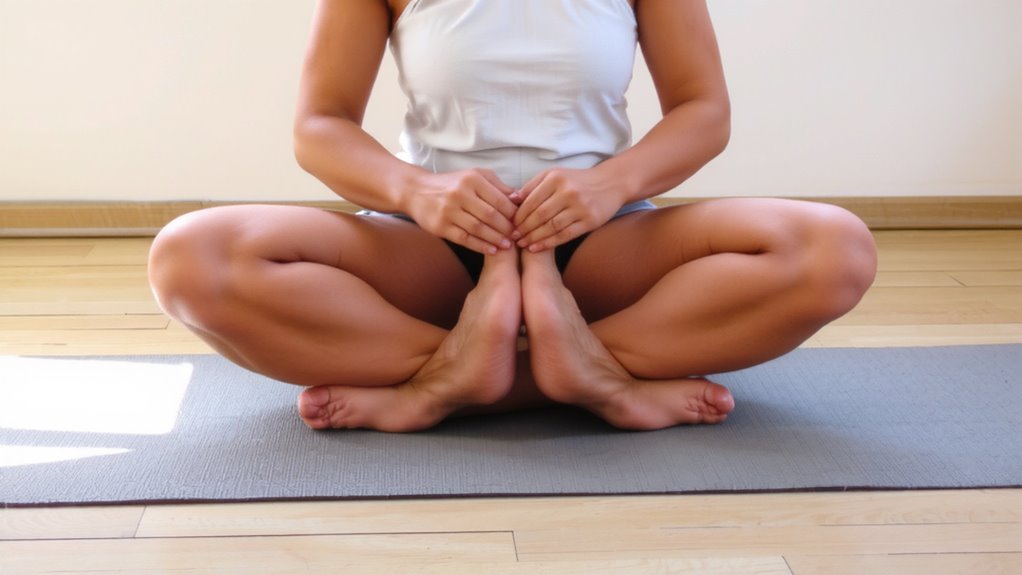
Ever wonder why your hips resist opening despite regular stretching? Traditional static holds aren’t always enough-especially when tightness is deep or your body’s adaptation has plateaued. That’s where dynamic variations of the butterfly stretch come in. By gently bouncing or pulsing at your range of motion, you engage muscle spindles and increase blood flow more effectively than passive stretching alone. These small, controlled movements enhance proprioceptive feedback, helping you sense and correct alignment in real time. Try seated rocking forward and back, or oscillating side to side to target imbalanced tension. Unlike rigid forms, dynamic variations train mobility, not just flexibility, making them ideal for active recovery. When paired with supportive fitness gear like a padded mat or hip alignment cushion, you maintain form while reducing strain. These methods aren’t flashier-they’re smarter, offering measurable improvements in hip release when practiced consistently.
Avoid These 5 Butterfly Stretch Mistakes
Why do some people walk away from the butterfly stretch feeling stiffer than before? More often than not, it’s due to incorrect posture. Slouching forward or rounding your spine reduces effectiveness and strains your lower back. You’re supposed to sit tall, chest lifted, engaging your core to support the hips. Another common error? Letting your knees pop up too high too fast, which leads to overstretching risks in the groin and inner thighs. You might think pushing deeper faster works better, but it can trigger muscle guarding or even minor tears. Also, bouncing at the bottom increases injury potential. Hold the stretch gently instead. In conclusion, ignoring asymmetry-one leg lower than the other-creates imbalances. Correct alignment and gradual progress are key. You’re not just stretching tissue; you’re training movement quality.
When to Stretch for Better Hip Mobility
When should you stretch to get the most out of your hip mobility work? The best time is during your morning routine, right after waking. Your muscles are cool and tight from inactivity, making this an ideal window to stimulate circulation and joint lubrication. Stretching then resets muscle tone and primes your hips for daily movement. While some prefer post-workout stretching, morning stretching sets a functional baseline, especially if you sit often. You don’t need elaborate fitness gear-just a mat and consistent effort. Over time, this practice improves range of motion and reduces stiffness. Think of it as maintenance: short daily input for long-term joint health. Skip the fluff; prioritize precision and repetition. A deliberate morning routine beats random, lengthy sessions. You’ll notice better control, fewer aches, and improved movement patterns throughout the day.
Pair Butterfly Stretch With These 3 Mobility Drills
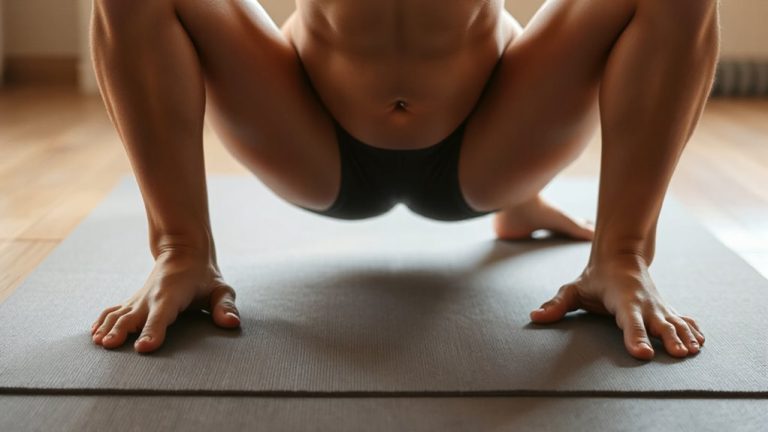
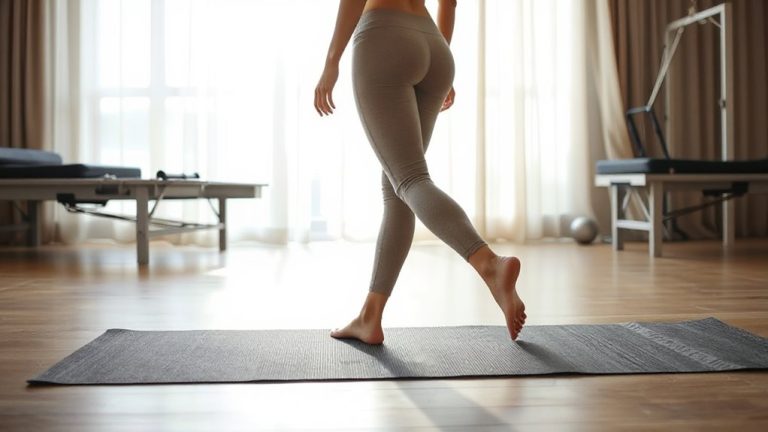
Start with a routine that combines the butterfly stretch with three key mobility drills to maximize hip function and movement efficiency. First, add leg swings as part of your dynamic warmup-10 reps per leg forward and side-to-side to enhance joint articulation. Next, include hip circles: stand and rotate your hips in large circles, 10 clockwise and 10 counterclockwise. This movement primes connective tissues and improves range of motion. Finish with deep squat rock-outs-hold a squat and rock forward and back, 12 reps. This boosts joint articulation under load, reinforcing stability. When paired with the butterfly stretch, these drills enhance recovery by increasing blood flow and reducing stiffness. For best results, use a padded mat during floor drills and consider compression gear post-session to support muscle recovery. This combination isn’t just effective-it’s practical and sustainable for long-term hip health.
On a final note
You’re building better hip mobility by combining the seated butterfly stretch with smart, targeted drills. This approach loosens tight adductors and improves joint range, especially when done consistently post-workout. Paired with quality recovery gear-like a foam roller or adjustable massage ball-you enhance tissue release and circulation. These tools aren’t flashy, but their practical design supports real progress. Over time, precise stretching and the right equipment make movement easier, reducing strain and boosting performance safely.