Core Stability Integration Into Olympic Lifts: Isometric Snatch Hold
You build real snatch stability by integrating isometric holds that challenge your core under heavy load. The isometric snatch hold boosts neuromuscular efficiency and joint integrity exactly where you’re weakest-during turnover and lockout. It reinforces proper bar path, enhances trunk rigidity, and corrects lateral drift. Performed at 80–90% 1RM with a neutral spine and tight core, it’s ideal in strength phases. Small errors like rounded shoulders or grip inconsistency can undermine gains. There’s more to optimizing this drill than meets the eye.
Notable Insights
- The Isometric Snatch Hold builds core stability under heavy loads, improving control during the lift’s turnover and receiving phases.
- Proper form requires the bar at the hips, neutral spine, tight core, and shoulders slightly ahead of the bar for optimal alignment.
- Common mistakes include rounded shoulders, excessive lumbar arching, and inconsistent grip width, all reducing effectiveness.
- Static holds correct overhead bar path and enhance shoulder stability by reinforcing joint congruency and minimizing lateral drift.
- Program 3–5 sets of 20–30 seconds at 80–90% 1RM, ideally post-heavy lifts, during hypertrophy or early strength phases.
Why the Isometric Snatch Hold Boosts Snatch Performance
While you’re aiming to refine your snatch technique, the isometric snatch hold can make a meaningful difference by reinforcing core stability under load. This static hold sharpens neuromuscular efficiency, helping your muscles fire more precisely and in better coordination during dynamic phases of the lift. By pausing under tension, you train your body to maintain alignment, enhancing joint proprioception-your awareness of body position in space-which is essential when bar path and timing dictate success. Over time, you’ll notice improved control during the turnover and receive phases of the snatch, reducing missed lifts due to instability. Unlike dynamic-only training, isometric holds expose small weaknesses before they disrupt performance. This isn’t just strength work-it’s skill work disguised as stability training. Practical, measurable, and easily integrated into warm-ups or accessory circuits, the isometric snatch hold delivers functional gains without needing specialized equipment.
Proper Form for the Isometric Snatch Hold
You’ve seen how the isometric snatch hold strengthens control and sharpens timing in the snatch, but nailing the benefits means nailing the setup first. Start with precise bar positioning-grip the bar just outside your hips, arms straight, and wrists fully extended so the bar rests against your upper thighs. This mimics the final phase of the pull, making the hold highly specific to competition mechanics. Shoulder alignment is critical: keep your shoulders slightly in front of the bar, chest up, and scapulae engaged to prevent rounding. Your core should be tight, spine neutral, and feet flat to generate full-body tension. Hold for 3–5 seconds, resisting the urge to drop or shift forward. This static position reinforces stability, helping you maintain leverage under heavy loads. Done right, the exercise builds positional strength that translates directly to a more powerful, controlled snatch execution, especially during high-fatigue sets.
Common Mistakes in the Isometric Snatch Hold
How often do you actually hold the right position when performing the isometric snatch hold, or are you just going through the motions? Poor posture is one of the most common issues-letting your shoulders round forward or your lower back arch compromises core engagement and teaches bad movement patterns. You’re not just losing stability; you’re reinforcing weaknesses. Grip inconsistency is another silent problem-shifting hand placement between reps means uneven bar control and reduced neuromuscular feedback. Are you using the same width and pressure each time? Without consistency, the drill loses its effectiveness. These mistakes undercut the entire purpose of the hold: building precise, reliable overhead strength. You might think you’re training stability, but if your form drifts or your grip wavers, you’re only practicing mediocrity. Fix these errors, stay strict, and your holds will translate into real lifting power.
How the Hold Fixes Overhead Stability and Bar Path
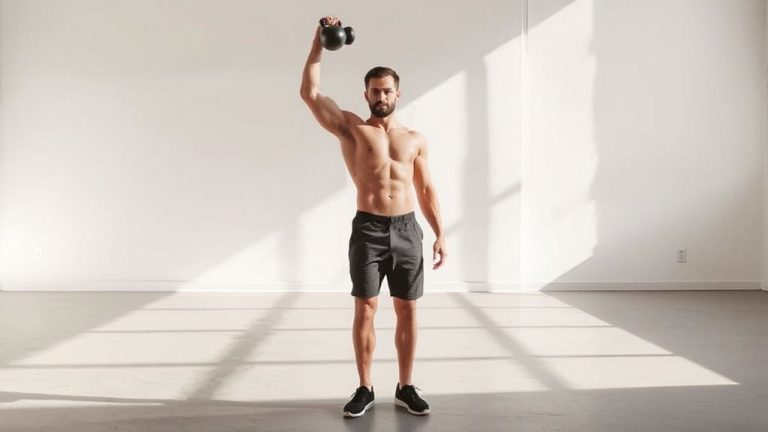
Because the isometric snatch hold locks you in the receiving position under a static load, it forces your body to correct imbalances that would otherwise go unnoticed during dynamic lifts. You must maintain barbell alignment and joint congruency, teaching your stabilizers to fire efficiently. This pause under load engrains proper overhead mechanics, ensuring the bar stays over your center of balance and reducing erratic bar paths in full lifts.
| Phase | Benefit | Focus Area |
|---|---|---|
| Lockout | Reinforces shoulder stability | Joint congruency |
| Mid-hold adjustment | Corrects lateral bar drift | Barbell alignment |
| Core engagement | Enhances trunk rigidity | Spinal positioning |
| Eccentric turnover | Promotes controlled transition | Balance and coordination |
When to Use Isometric Snatch Holds in Training
The isometric snatch hold builds on the stability gains you’ve developed by exposing subtle flaws in overhead positioning, and now it’s time to evaluate where this exercise fits within your training plan. Use it during skill acquisition or early strength phases when technique refinement is a priority. It’s ideal for reinforcing proper bar path and trunk control without the fatigue of full lifts. In certain training phases-like post-deload or injury reintegration-this hold supports cautious reloading of the overhead position. For exercise selection, it works best as a supplemental movement, not a replacement for dynamic snatches. Pair it with moderate loads (70–80% 1RM) for 3–5 sets of 3–5 second holds. You’ll maintain motor patterning while enhancing stiffness in the core and shoulders. Avoid overuse in peaking phases, where velocity and power output take precedence. Smart programming guarantees stability translates to performance.
Programming the Isometric Snatch Hold for Strength
While dynamic lifts dominate strength phases, the isometric snatch hold still earns its place as a targeted tool for building overhead resilience and trunk stiffness essential for heavier loads. You’ll want to program it strategically within training phases, particularly during hypertrophy or early strength blocks when volume supports motor retention. Aim for 3–5 sets of 20–30 second holds at 80–90% of your 1RM snatch, allowing full recovery between sets to maintain quality. Use it as part of a smart exercise pairing-pair it after heavy snatches or clean & jerks to reinforce positioning without adding metabolic fatigue. This isn’t a replacement for dynamic work but a supplemental move that enhances stability. When consistently applied, it improves confidence under load and reduces energy leaks in the core. Positional strength matters, and this hold trains it precisely.
On a final note
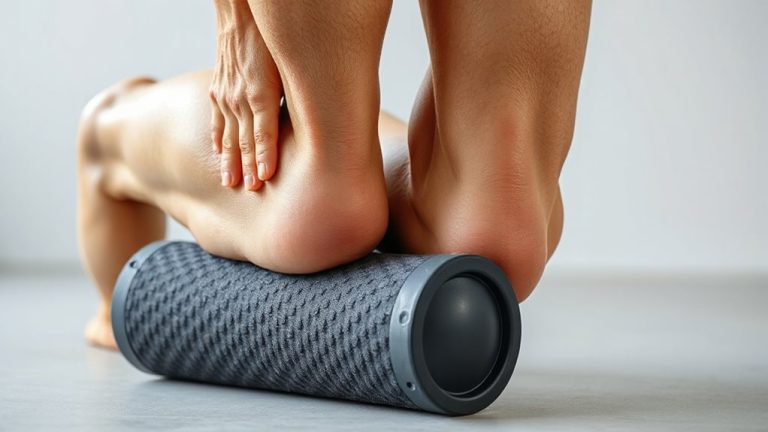
You’ll find the isometric snatch hold sharpens overhead stability and reinforces ideal bar path, making it a smart addition to Olympic lift training. When performed correctly, it builds neuromuscular control and positional strength. Used strategically-post-main lifts or during technique blocks-it enhances performance without excessive fatigue. Paired with quality recovery gear like compression sleeves and foam rollers, it supports joint integrity and adaptation, ensuring gains stick.