Maximizing The Benefits Of Omega-6 Fatty Acids In Promoting Healthy Skin And Faster Workout Recovery Times
You need omega-6 fats to repair skin barriers and speed muscle recovery after tough workouts. These essential fats rebuild cell membranes, support skin elasticity, and fuel joint lubrication. Linoleic acid strengthens your skin’s moisture barrier, while arachidonic acid helps regulate post-exercise inflammation for effective healing. Pair omega-6s with omega-3s in a 4:1 ratio to prevent excess inflammation. Eat sunflower and pumpkin seeds for natural, balanced intake-your recovery and skin resilience will improve noticeably.
Notable Insights
- Omega-6 fats support skin elasticity and joint lubrication by rebuilding cell membranes and fueling synovial fluid production.
- Linoleic acid strengthens the skin’s moisture barrier, preventing dryness and protecting against external irritants.
- Controlled omega-6 driven inflammation aids muscle repair by activating satellite cells and enhancing membrane fluidity.
- Balance omega-6 with omega-3 fatty acids in a 2:1 or 4:1 ratio to prevent chronic inflammation and speed recovery.
- Consume omega-6 from whole food sources like sunflower and pumpkin seeds for optimal skin and post-workout recovery benefits.
What Are Omega-6 Fats: and Why They’re Essential for Skin & Recovery
Why might you be overlooking one of the most powerful allies for skin health and post-workout recovery? Omega-6 fats, essential polyunsaturated fatty acids your body can’t produce, play a crucial role in maintaining skin elasticity and supporting joint lubrication. You need them to rebuild cell membranes and sustain dermal structure, especially after intense training. These fats also fuel synovial fluid production, easing movement and reducing post-exercise stiffness. While often overshadowed by omega-3s, omega-6s are just as critical when balanced properly. Skimping on them might compromise both appearance and performance. Found in nuts, seeds, and plant oils, they’re easy to incorporate. Fitness recovery isn’t just about protein and rest-your body’s internal systems, like skin resilience and joint function, rely on these fats to operate efficiently. You’re not just rebuilding muscle-you’re renewing structural integrity from the inside out.
How Omega-6s Calm Inflammation to Speed Muscle Repair
You’ve likely heard that inflammation is the enemy of recovery, but what if some of it actually helps you heal faster? Omega-6 fatty acids don’t just trigger inflammation-they help regulate it. After intense workouts, your body needs controlled inflammation to initiate muscle regeneration and cellular recovery. Omega-6s, especially arachidonic acid, contribute to signaling molecules that coordinate this process, ensuring inflammation resolves when its job is done.
| Phase | Omega-6 Role | Recovery Impact |
|---|---|---|
| Initial Damage | Supports inflammatory signaling | Prepares tissue for repair |
| Repair | Aids cell membrane fluidity | Enhances cellular recovery |
| Regeneration | Stimulates satellite cell activity | Boosts muscle regeneration |
| Resolution | Helps produce anti-inflammatory mediators | Reduces excess swelling |
This balance is key-too little inflammation slows healing, while too much delays progress. With proper Omega-6 intake, your recovery gear works better because your body does, too.
Why Linoleic Acid Strengthens Your Skin’s Moisture Barrier
Think of your skin’s surface as a brick wall, where skin cells are the bricks and lipids are the mortar holding them together-linoleic acid is a critical component of that mortar. When you consume enough of it, your body boosts lipid production, reinforcing that protective layer and locking in moisture. Without sufficient linoleic acid, the barrier weakens, letting irritants in and hydration out-this often shows up as rough skin texture and increased sensitivity. Studies show that people with balanced linoleic acid intake tend to have smoother, more resilient skin. It’s not a quick fix, but a foundational upgrade. Topical products help, but real results start internally. Your skin’s strength isn’t just about skincare routines; it reflects your nutritional support for cellular structure. Linoleic acid doesn’t just patch holes-it helps build a better wall from the start, improving both function and feel.
Balance Omega-6 and Omega-3 for Real Anti-Inflammatory Results
How can you actually reduce inflammation to speed up recovery and optimize skin health-especially when dietary fats are involved? The answer lies in achieving fatty synergy between omega-6 and omega-3 fatty acids. While omega-6 supports skin barrier function and healing, too much without enough omega-3 leads to an omega imbalance, promoting chronic inflammation instead of reducing it. Ideally, aim for a 4:1 or even 2:1 ratio of omega-6 to omega-3 to access real anti-inflammatory effects. This balance modulates immune responses, helping you recover faster post-workout and maintain clear, resilient skin. Relying solely on omega-6 without omega-3 counterbalance undermines benefits, turning potential support into metabolic stress. Achieving fatty synergy isn’t just about intake-it’s about proportion, consistency, and understanding how these fats interact in your body to influence recovery, skin integrity, and overall cellular function.
Top Food Sources of Omega-6 for Glowing Skin and Faster Recovery
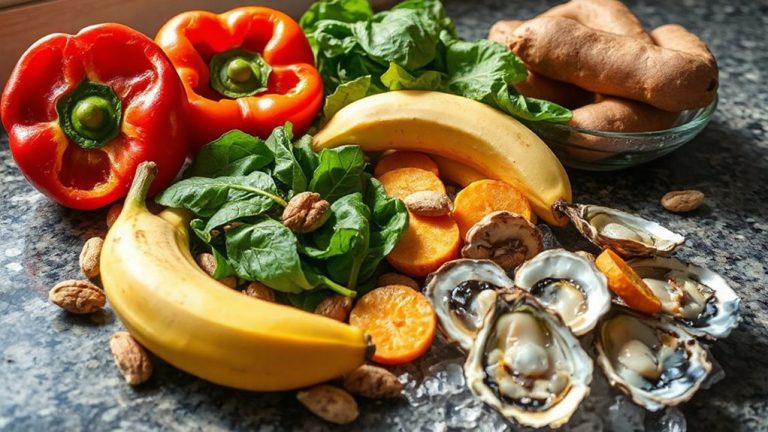
Maintaining the right balance between omega-6 and omega-3 fatty acids sets the stage for meaningful improvements in skin resilience and post-exercise recovery, but knowing which foods deliver quality omega-6 is just as important as managing ratio and intake. You’ll find excellent sources in sunflower seeds and pumpkin seeds, both rich in linoleic acid, a core omega-6 fatty acid linked to skin hydration and reduced recovery inflammation. A small handful of sunflower seeds provides not only omega-6 but also vitamin E, enhancing skin’s defense against oxidative stress. Pumpkin seeds offer a comparable omega-6 profile while adding zinc, which supports tissue repair. Though these seeds contribute to inflammatory regulation when balanced with omega-3s, overconsumption can tip the scale toward inflammation. Integrating them into post-workout meals or snacks supports recovery without relying on supplements. Their nutrient density makes them practical choices for anyone seeking natural, food-based solutions to improve skin glow and speed up muscle recovery efficiently.
On a final note
You’re likely getting enough omega-6 from your diet, but balance with omega-3 is key to reducing inflammation and supporting recovery. These fats help repair muscle tissue and strengthen your skin’s barrier, locking in moisture. While supplements and recovery gear like compression tools may assist, they can’t replace smart nutrition. Prioritize whole food sources-nuts, seeds, and oils-over pills. Real progress comes from consistent habits, not flashy gear.