Navigating the Complexities of Electrolyte Balance for Optimal Hydration and Performance
You need electrolytes like sodium, potassium, and magnesium to maintain nerve function, muscle control, and proper hydration-water alone can’t do the job. Sweating depletes these key minerals, especially during workouts over 90 minutes, increasing cramp and fatigue risk. While whole foods like bananas and yogurt help, targeted supplements such as LMNT or Nuun offer precise, rapid replenishment without excess sugar. Balancing fluids with electrolyte support boosts performance and recovery more effectively than hydration alone-there’s more to optimizing your output than just drinking water.
Notable Insights
- Electrolytes regulate nerve function, muscle contractions, and cellular hydration for peak physical performance.
- Sweating depletes sodium, potassium, and magnesium, requiring replenishment to prevent cramps and fatigue.
- Drinking plain water without electrolytes can dilute mineral levels and increase hyponatremia risk.
- Replenishment needs depend on exercise duration: moderate support for 60–90 minutes, high for longer efforts.
- Natural sources like bananas, coconut water, and leafy greens, or clean supplements, effectively restore electrolyte balance.
What Are Electrolytes and Why You Need Them
Think of electrolytes as the body’s spark plugs-tiny charged minerals that keep your systems firing efficiently. You rely on them every day, whether you’re active or not, because electrolyte functions include regulating nerve signals, muscle contractions, and fluid balance. Sodium, potassium, magnesium, and calcium work together to maintain cellular hydration, ensuring water enters and stays in your cells where it’s needed. Without proper levels, you might feel fatigued or experience cramping, even with adequate water intake. It’s not just about drinking fluids-your body needs the right mineral balance to use them effectively. Fitness recovery isn’t complete without replenishing these key players, especially after exertion. While hydration gear like smart bottles or electrolyte tablets can help, their real value lies in supporting consistent intake. Thoughtful use enhances performance, but don’t overcomplicate it-precision matters more than the gadget.
How Sweat Depletes Your Electrolytes
Why do you feel sluggish or cramp up during intense workouts, even when drinking plenty of water? The answer lies in your sweat composition. Sweat isn’t just water-it contains essential electrolytes like sodium, potassium, and magnesium. When you sweat heavily, you experience significant mineral loss, which plain water won’t replace. This imbalance disrupts nerve function and muscle contractions, undermining performance and recovery. Depending on your sweat rate and environment, the rate of depletion varies, making electrolyte replacement essential during prolonged exertion. Ignoring this can compromise both hydration and physiological efficiency. High-performance fitness gear, like moisture-wicking fabrics, helps manage sweat, but it doesn’t prevent mineral loss. You need targeted replenishment-through drinks or supplements-to maintain balance. Relying solely on water dilutes remaining electrolytes, worsening the deficit. Smart hydration means respecting sweat composition and planning for electrolyte turnover, not just fluid intake.
Signs You’re Low on Electrolytes
You’ve just learned how sweat carries away key electrolytes, even when you’re staying on top of hydration. Now, recognize when your body’s running low. Muscle cramps are one of the clearest red flags-sudden, sharp, often in legs or calves-resulting from disrupted nerve signals due to sodium and potassium imbalances. You might also notice a noticeable dip in fatigue levels, not just physical tiredness but mental sluggishness, as electrolytes support neural conductivity and cellular energy transfer. Headaches, dizziness, and irregular heartbeat can accompany these, but muscle cramps and fatigue levels are the most common, reliable indicators during or after exertion. These signs often appear subtly, especially if you’re relying solely on water. While fitness recovery gear like compression or hydration packs supports performance, they can’t compensate for internal imbalances. Monitoring these symptoms helps you stay ahead of decline, ensuring your body maintains the electrical harmony it needs to function ideally.
When to Replenish Electrolytes
When should you reach for an electrolyte supplement instead of just chugging water? It depends on electrolyte timing and activity intensity. If you’re doing light exercise under 60 minutes, water’s usually enough. But for intense or prolonged sessions-especially in heat-you lose key minerals fast through sweat, and plain water won’t cut it. Replenishing during or after helps maintain nerve function, prevent cramping, and support recovery.
| Activity Intensity | Duration | Electrolyte Need |
|---|---|---|
| Low | <60 min | Low |
| Moderate | 60–90 min | Moderate |
| High | >90 min | High |
Ignoring this balance risks hyponatremia or fatigue. Top-tier hydration gear with measurable dosing can make electrolyte timing more precise, especially in endurance training.
Natural Food Sources of Electrolytes
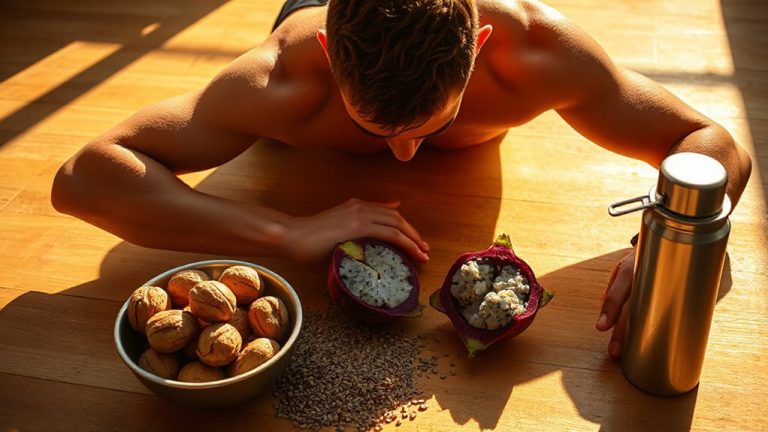
Electrolyte replenishment doesn’t have to start with a sports drink or a supplement-many whole foods naturally provide the sodium, potassium, magnesium, and calcium needed to restore balance after activity. You’re already familiar with bananas, and their high banana electrolyte content-especially potassium-makes them a smart post-workout snack. They’re portable, easy to digest, and pair well with other recovery foods. Don’t overlook coconut water benefits either; it’s a natural source of potassium and magnesium with less sugar than most sports drinks. While sodium levels are modest, it’s a solid option for light-to-moderate sweat loss. Dairy products like yogurt offer calcium and magnesium, while leafy greens boost magnesium and potassium. Even a sprinkle of sea salt on whole foods can help replace lost sodium. Whole-food sources won’t overpower your electrolyte balance like some supplements might, giving you better control and fewer digestive issues. They fit seamlessly into a recovery-focused diet.
Best Electrolyte Supplements and Drinks
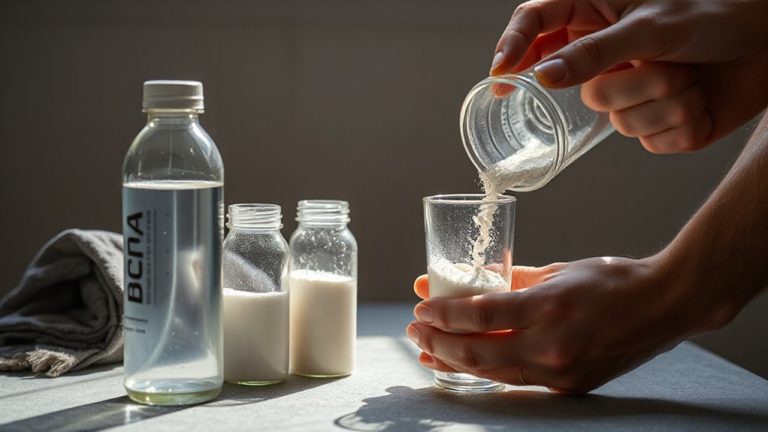
How do you decide which electrolyte supplement truly supports recovery when so many promise results but deliver uneven formulations? Look for products emphasizing electrolyte synergy-balanced ratios of sodium, potassium, magnesium, and calcium that mirror your sweat loss. This balance boosts hydration efficiency, helping your body absorb fluids faster and maintain fluid balance during intense activity. Powders like LMNT and Nuun offer clean ingredient profiles with minimal fillers, making them reliable for sustained performance. Liquid drops like Ultima Replenisher provide customizable dosing, ideal when you’re managing intake across long training sessions. Tablets such as DripDrop ORS combine medical-grade efficacy with portability, useful during travel or post-exercise recovery. Avoid sugary sports drinks; they often hinder absorption. Instead, choose options with proven formulations that support real physiological needs, not just marketing claims.
Water Vs. Electrolytes: Finding the Balance
What if gulping water alone isn’t enough to rehydrate after a hard workout? You might be caught in common hydration myths-believing plain water always suffices. It doesn’t, especially when sweat depletes sodium, potassium, and magnesium. These electrolytes regulate fluid balance, nerve function, and muscle contractions, all critical performance factors. Without them, even with plenty of water, you risk fatigue, cramps, or hyponatremia-a dangerous drop in blood sodium. Hydration isn’t just about volume; it’s about composition. For light activity, water works fine, but during prolonged exertion or in hot conditions, electrolyte replacement becomes essential. Drinks with a balanced ratio of sodium to potassium (around 3:1) and some glucose enhance absorption. The right recovery gear, like electrolyte powders with minimal additives, supports faster rehydration. Skip the sugar-laden sports drinks-they’re not always better. Balance water intake with smart electrolyte use, and you’ll optimize recovery and performance.
On a final note
You’ve pushed hard, and now recovery matters just as much as the workout. Electrolytes aren’t optional extras-they’re essential for nerve function, muscle control, and hydration balance. Sweat strips them fast, so replenishing smartly, through food or targeted supplements, supports sustained performance. Water alone won’t cut it during intense training. Choosing the right recovery gear, including effective electrolyte solutions, makes your effort count.