How Plant-Based Protein Sources Can Enhance Recovery For Vegetarian And Vegan Athletes
You’re using plant proteins like pea, soy, or rice to fuel faster recovery after workouts. They give you essential amino acids, especially leucine, which kickstarts muscle repair. Since they’re easier to digest than some animal proteins, your body gets nutrients quicker, reducing strain. Antioxidants and fiber in whole-food sources cut inflammation and boost absorption. Pairing proteins-like beans with rice-ensures full amino acid support. There’s more to optimizing your post-workout edge.
Notable Insights
- Plant-based proteins supply essential amino acids needed for muscle repair and contain antioxidants that reduce post-exercise inflammation.
- Complete plant proteins like soy, pea-rice blends, and lentil-grain combinations support efficient muscle recovery in vegan and vegetarian athletes.
- Consuming plant protein within 30 to 45 minutes post-workout maximizes amino acid availability for timely muscle repair.
- Pairing plant proteins with carbohydrates enhances insulin response, improving nutrient delivery to muscles during recovery.
- High fiber and antioxidant content in plant-based foods improves gut health, reduces oxidative stress, and speeds up natural recovery processes.
Why Plant Protein Speeds Up Athletic Recovery
Recovery time isn’t just about rest-what you fuel your body with post-workout plays a crucial role, and plant-based protein is proving to be a game-changer. You’re likely aware that protein supplies essential amino acid chains needed to repair muscle tissue, and many plant sources offer a complete profile. What’s more, plant proteins often come packed with antioxidants and phytonutrients that support inflammation reduction, helping you bounce back faster. Unlike some animal-based options, they’re typically easier on digestion and less taxing on metabolic recovery systems. This makes your post-workout window more effective, especially when combined with proper hydration and rest. Performance gear may track your progress, but real gains come from what happens afterward. Choosing plant protein isn’t just ethical-it’s strategic. With consistent use, it supports sustained energy, quicker recovery, and long-term athletic resilience.
Top Complete Plant Proteins for Muscle Repair
When it comes to rebuilding muscle after intense training, the quality of your protein source matters just as much as the reps you log. You need complete proteins-those with all nine essential amino acids-to support effective muscle repair. Pea protein is one of the best plant-based options, rich in branched-chain amino acids like leucine, which directly stimulate muscle synthesis. When paired with rice protein, the combo delivers a full amino acid profile comparable to animal proteins. Soy is another complete protein, offering robust support for recovery and strength gains. Lentils aren’t complete on their own, but when combined with grains, they enhance your protein intake with added fiber and iron. Incorporating soy, pea rice blends, and lentil-based meals guarantees you’re fueling repair efficiently. These sources aren’t just effective-they’re sustainable and easy to integrate into everyday meals, making them ideal for consistent, long-term recovery.
When to Eat Plant Protein After Workouts
How soon after you finish training should you be reaching for that plant-based protein shake? Timing matters-ideally, you’ll consume protein within 30 to 45 minutes post-workout. That’s when your muscles are most receptive to nutrient uptake. Unlike animal proteins, many plant proteins have faster digestion speed, especially isolated forms like pea or rice protein. This means amino acids enter your bloodstream quickly, supporting muscle repair sooner. While the anabolic window isn’t razor-thin, delaying intake too long can slow recovery, especially if you’re training hard daily. A shake blended with carbs boosts insulin response, helping shuttle nutrients into cells. Whole food meals are great, but post-exercise, convenience and absorption win. That’s where a quality plant protein powder proves practical-easy to carry, quick to mix, and formulated for efficient delivery. For vegan athletes, combining smart timing with reliable digestion speed optimizes recovery when every rep counts.
Mix These Plant Foods for Better Muscle Repair
Why settle for incomplete amino acid profiles when you can build a better repair response through strategic food pairing? You need all nine essential amino acids for effective muscle repair, and most plant proteins lack one or more. That’s where protein pairing comes in. Combining foods like rice and beans or hummus with whole wheat pita gives you a complete amino acid balance in one meal. This isn’t just theory-it’s practical nutrition that supports recovery after intense training. Think of it as optimizing your internal recovery “gear” the way you’d fine-tune equipment. Lentils with quinoa, peanut butter on sprouted grain bread-these combos work. Over time, consistent pairing improves your body’s repair efficiency. It’s not about perfection at every meal, but overall balance. Smart protein pairing guarantees your muscles aren’t waiting on a missing amino acid. For vegan athletes, this approach is simple, effective, and backed by nutritional science.
How Fiber and Antioxidants Boost Recovery Naturally
A strong recovery routine isn’t just about protein and rest-fiber and antioxidants play a key role in how well your body bounces back after intense workouts. You’re likely familiar with muscle soreness and fatigue, but what you might overlook is how fiber supports gut health, which directly affects nutrient absorption and immune function. A healthy gut means your body can better utilize the protein and micronutrients critical for repair. Meanwhile, antioxidants from colorful fruits, vegetables, and whole grains help combat oxidative stress caused by prolonged exercise. This natural defense reduces inflammation and speeds recovery. Unlike synthetic supplements, these plant-powered compounds work synergistically within your system, offering sustained benefits without added strain on organs. You’ll notice fewer recovery setbacks and improved energy when you consistently include high-fiber, antioxidant-rich foods. They’re not just fillers-they’re functional tools that enhance your body’s resilience.
Easy Plant-Based Recovery Meals and Snacks
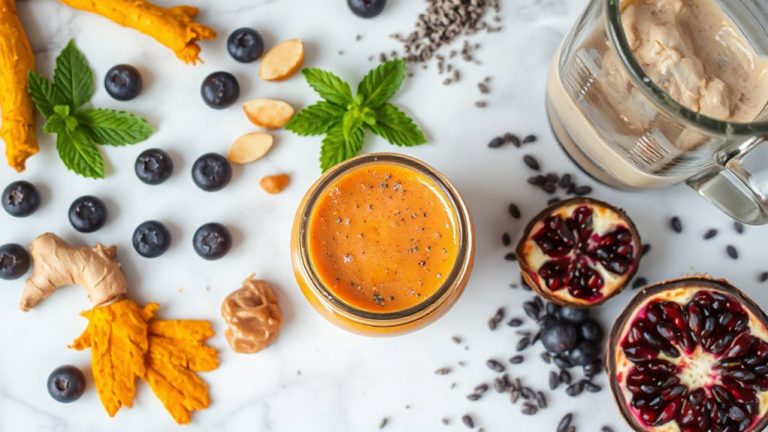
Recovery doesn’t have to be complicated-especially when you’re fueling with plant-based meals that are as nutritious as they are simple to prepare. After a tough workout, your body craves protein and complex carbs, and banana oatmeal delivers both in one satisfying bowl. Just mix oats, mashed banana, plant-based milk, and a scoop of protein powder-top it off with a spoonful of chocolate peanut butter for extra healthy fats and flavor. It’s quick, digestible, and supports muscle repair effectively. For a no-cook option, blend chocolate peanut butter into a smoothie with banana, spinach, and almond milk-creamy and nutrient-dense. These snacks aren’t just convenient; they’re formulated for recovery, offering balanced macronutrients without processed additives. When recovery meals are this easy, consistency becomes second nature, letting you focus on performance and progress without sacrificing nutrition or time.
Fix These Vegan Nutrition Mistakes Athletes Make
How often do you overlook the balance of macronutrients in your post-workout meal, assuming that just hitting your protein target is enough? Many vegan athletes make this mistake, neglecting how carbs and fats support recovery. Protein timing matters-consuming quality plant protein within 45 minutes post-training boosts muscle repair. But without complementary carbs, insulin response lags, slowing nutrient absorption. You might eat lentils and tofu, but if you skip pairing them with whole grains or fruit, you’re missing synergistic benefits. Another common error? Relying solely on single-source proteins low in essential amino acids. Combine legumes, seeds, and grains to guarantee completeness. Also, excessive raw food intake can hinder digestion, reducing nutrient absorption. Hydration and micronutrients like zinc and vitamin B12 are often under-prioritized, too. Fixing these issues doesn’t require expensive fitness gear-just smarter, science-backed planning.
On a final note
You’ll recover faster with smart plant protein choices, especially when timing and combinations are optimized. Complete sources like soy and quinoa deliver all essential amino acids needed for muscle repair. Paired with fiber and antioxidants, they reduce inflammation and support gut health-key for sustained performance. Avoid common pitfalls like undereating or neglecting iron and B12. When combined with practical recovery gear-foam rollers, compression wear-your plant-powered routine becomes both effective and sustainable.