Top-Rated Strength Training Shoes for Men Who Lift Heavy
You need strength training shoes that keep you stable and connected to the floor when lifting heavy. Models like the NOBULL Outwork and Adidas Dropset 3 deliver with flat, low-profile soles, wide toe boxes, and firm midsoles for maximum force transfer. Rigid heels and high-traction outsoles enhance grip and alignment during squats and deadlifts. Durable uppers resist daily wear while supporting your foot under load. Top picks balance durability, stability, and ground feel-key for serious lifters. The best choice depends on your fit preferences and training intensity-your next-level performance starts here.
We are supported by our audience. When you purchase through links on our site, we may earn an affiliate commission, at no extra cost for you. Learn more. Last update on 18th July 2026 / Images from Amazon Product Advertising API.
Notable Insights
- Flat, low-profile soles with 0–6 mm drop enhance stability and force transfer for heavy lifts.
- Wide toe boxes allow natural toe splay, improving balance and power during compound lifts.
- Dense, non-compressible midsoles provide firm support and prevent energy loss under heavy loads.
- High-traction carbon rubber outsoles ensure secure grip on gym floors, turf, and lifting platforms.
- Rigid heel counters and durable uppers reduce foot movement, enhancing alignment and lifting control.
NOBULL Men’s Outwork Weightlifting Shoes
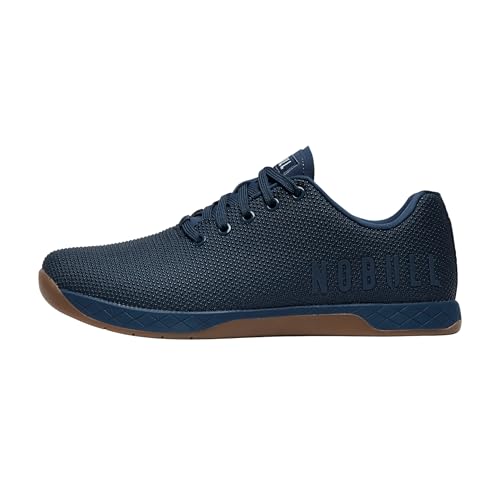
If you’re serious about lifting-whether it’s heavy squats, explosive cleans, or high-rep leg workouts-the NOBULL Men’s Outwork Weightlifting Shoes are built for lifters who demand stability, durability, and a true connection to the ground. I’ve worn them through months of training, and the one-piece SuperFabric upper holds up without stretching or tearing. The wide toe box lets my feet spread naturally, boosting balance on heavy sets. The low-profile phylon EVA midsole and anatomical insole offer just enough support without sacrificing feel, while the carbon rubber outsole grips every surface-from platforms to turf. They keep my feet aligned, improving my squat depth and control.
Best For: Lifters who prioritize stability, durability, and ground feel during heavy weightlifting, powerlifting, and high-rep training sessions.
Pros:
- Durable one-piece SuperFabric upper resists wear from daily intense training
- Wide toe box enhances natural toe splay, balance, and lifting control
- High-traction carbon rubber outsole provides reliable grip on multiple gym surfaces
Cons:
- Minimal midsole cushioning may not suit those preferring padded support
- Low-profile design offers little heel elevation, limiting use for lifters needing raised heels
- Premium materials contribute to a higher price point compared to other lifting shoes
Adidas Unisex-Adult Dropset 3 Trainer

I need a reliable shoe that won’t compromise stability during heavy squats or lunges, and the Adidas Unisex-Adult Dropset 3 Trainer delivers exactly that-a no-nonsense lifting companion built for lifters who prioritize form and floor connection. The 6 mm midsole drop keeps my foot level, promoting proper alignment, while the dual-density midsole balances support and cushioning just enough for repetitive sets. I’ve noticed the Traxion outsole grips even during intense drop sets, eliminating slippage. The upper, made of at least 50% recycled materials, feels durable and breathable. It’s a smart, eco-conscious pick for serious lifters who want function without compromise.
Best For: Lifters who demand stability, proper alignment, and secure footing during heavy strength training sessions.
Pros:
- 6 mm midsole drop provides a flat, stable platform ideal for squats, deadlifts, and lunges
- Dual-density midsole offers balanced support and controlled cushioning for repetitive sets
- Traxion outsole ensures excellent grip and slip resistance on various gym surfaces
Cons:
- Minimal cushioning may feel too firm for those preferring padded lifting shoes
- Not ideal for running or dynamic cardio-heavy workouts
- Limited color/style options compared to other training shoes
Under Armour Men’s Charged Commit Tr 3 Cross Trainer

The Under Armour Men’s Charged Commit Tr 3 Cross Trainer stands out as a reliable workhorse for men who prioritize stability and responsiveness in hybrid training routines. I’ve found the lightweight mesh upper, reinforced with textured overlays, strikes a smart balance between breathability and durability. The Functional Support construction keeps my foot locked in during lateral moves, while the Deluxe Comfort System sockliner molds to my arch for personalized comfort. Charged Cushioning® absorbs impact well and gives back energy with each step. The full rubber outsole grips confidently across surfaces, and flex grooves let me move naturally-perfect for lifting, lunging, or short sprints.
Best For: Men seeking a durable, responsive cross-training shoe for hybrid workouts that include lifting, cardio, and dynamic movements.
Pros:
- Lightweight, breathable mesh upper with reinforced overlays offers comfort and long-lasting wear
- Charged Cushioning® midsole provides excellent impact absorption and energy return
- Full rubber outsole with flex grooves delivers strong multi-surface traction and flexibility
Cons:
- May lack sufficient arch support for individuals with flat feet without after-market insoles
- Fit runs slightly narrow, which could be uncomfortable for wider feet
- Not ideal for long-distance running due to limited cushioning compared to running-specific shoes
Reebok Nano X5 Men’s Cross Training Shoes

You’ll get the most out of the Reebok Nano X5 Men’s Cross Training Shoes if your routine mixes strength work with dynamic cross-training, since they’re built to handle lateral cuts, lifts, and short runs without compromise. I’ve worn them for CrossFit sessions and daily walking, and they deliver-flexweave knit uppers breathe well while surviving rope climbs and burpees. The high-traction outsole grips plywood and turf, and the molded heel locks my foot in during heavy squats. Plush foam around the collar eases pressure, making them comfy for long wear. They’re not pure runners, but they handle sprints fine. In black or white, they look sharp and clean easily.
Best For: CrossFit athletes and fitness enthusiasts who need a durable, supportive shoe for mixed workouts including strength training, lateral movements, and short runs.
Pros:
- Flexweave knit upper offers breathability, softness, and durability during intense training
- High-traction outsole and molded heel provide excellent grip and stability for lifts and lateral cuts
- Plush foam collar enhances comfort for extended wear during workouts or daily use
Cons:
- Not designed for long-distance running; limited cushioning for extended running sessions
- Fit may run slightly narrow for users with wider feet
- Limited color options-only available in black and white
Factors to Consider When Choosing Strength Training Shoes for Men
You’ll want to prioritize stability and support, especially during heavy lifts where foot alignment can make or break your form. A snug fit and responsive cushioning matter just as much, since they affect balance, comfort, and how well the shoe transfers power to the ground. Don’t overlook traction, durability, and midsole design-they’re key for lasting performance across varied surfaces and workout styles.
Stability And Support
When lifting heavy, staying grounded matters more than cushioning-opt for strength training shoes with a flat, low-profile sole and minimal midsole drop (0–8 mm) to keep your feet level and distribute weight evenly under load. You need a stable base, so choose models with dense, non-compressible midsoles that won’t collapse during squats or deadlifts. Rigid heel counters and structured uppers lock your foot in place, reducing lateral movement and supporting proper alignment when lifting maximally. A wide toe box lets your toes spread naturally, enhancing balance and minimizing slippage. High-traction outsoles made from carbon rubber or with deep lugs grip slick gym floors, keeping you secure during dynamic pulls or loaded carries. These features work together to boost your stability and support, ensuring power transfers efficiently from the ground up without energy leaks or instability.
Fit And Comfort
A well-fitting strength training shoe balances snug containment with strategic room where it matters most. You need a secure heel lock and stable midfoot hold to prevent slippage during explosive or heavy lifts-loose feet mean lost power and potential blisters. At the same time, a wide toe box lets your toes splay naturally, boosting balance and force transfer when you’re pushing through squats or deadlifts. Look for minimal midsole cushioning; it keeps you closer to the ground, enhancing feedback and stabilizing your base. Seamless uppers cut down on friction, so you won’t deal with hot spots during high-rep sets. Molded insoles that contour to your foot offer personalized support, maintaining comfort even under heavy loads. These details don’t just add comfort-they improve performance and reduce fatigue over time.
Traction And Grip
Stability starts from the ground up, and once fit and comfort are dialed in, the next factor that shapes your lifting performance is how well your shoes grip the floor. You need a high-traction rubber outsole with multidirectional lugs-it keeps you locked in, whether you’re on smooth gym tiles or rougher training mats. A flat, wide outsole gives you more surface contact, reducing foot shift during heavy squats or deadlifts. Look for carbon rubber compounds; they resist wear and deliver consistent grip over time. Strategic flex grooves help maintain traction while letting your foot move naturally during dynamic lifts. And with a minimal midsole drop of 6 mm or less, you stay closer to the ground, boosting balance and force transfer. Together, these features don’t just prevent slips-they enhance control, so every rep feels solid and intentional.
Durability And Build
Durability begins with smart construction, and your strength training shoes should withstand the daily grind of heavy loads and repetitive motion without falling apart. Look for a tough upper made from reinforced synthetic materials-they resist abrasion and tearing when you’re grinding through tough sets. One-piece designs are even better, cutting down seams that typically fail under constant flexing and side-to-side stress. The outsole matters just as much; carbon rubber delivers high traction while holding up against rough gym floors. Its durable compound keeps grip intact longer, even after months of use. Strategic grooves in the outsole maintain flexibility for multidirectional moves without sacrificing strength. Though dual-density midsoles help with impact, it’s the build quality that guarantees longevity. You want a shoe that’s resilient where it counts, so it supports your lifts for years, not just weeks.
Midsole And Cushioning
Your lift starts from the ground up, and the midsole is where performance takes shape. You need a minimal drop of 0–6 mm to keep your foot and ankle aligned, giving you a stable base during heavy squats or deadlifts. Low-profile cushioning maintains ground feel without sacrificing slight shock absorption for reps. Firmer midsoles, especially those made from Phylon or EVA, cut energy loss and boost force transfer-critical when you’re driving through the floor. Dual-density designs add smart comfort: firm support under the heel with softer zones where you need flexibility. These materials also resist compression, so your shoe stays consistent over months of use. You’re not looking for plush-just enough cushion to protect joints without wobbling. A stiff, responsive midsole keeps you locked in, letting power move straight from your foot to the floor.
Purpose And Performance
When you’re selecting strength training shoes, the design must match the demands of your lifts, not just your style. A flat, low-profile sole with minimal heel-to-toe drop keeps you stable and aligned, especially during squats and deadlifts. You need that solid base so your energy transfers directly into the ground. Shoes with a wide toe box let your toes spread naturally, improving balance and power on heavy compound lifts. High-traction rubber outsoles grip slick gym floors and wooden platforms without slipping, giving you confidence under load. Minimal midsole cushioning isn’t a drawback-it’s essential, ensuring you stay close to the ground for better force feedback and movement efficiency. Durable uppers withstand constant stress from intense sessions, holding their shape over time. You’re not just buying footwear-you’re investing in performance that supports your form, power, and progress.
Frequently Asked Questions
How Do I Break in New Strength Training Shoes?
You break them in by wearing them during light workouts first, letting the midsole compress and the upper conform to your foot. Start with bodyweight exercises or short sets, avoiding max lifts for the first 3–5 sessions. This gradual process preserves structural integrity while adapting the shoe to your movement patterns. Don’t skip warm-ups-they ease stress on stiff soles. Rotate with older shoes if discomfort arises. Proper break-in extends lifespan and boosts performance.
Are Weightlifting Shoes Worth It for Home Gym Use?
Yeah, weightlifting shoes are worth it for home gym use if you’re serious about lifting. They give you a stable, elevated heel that improves squat depth and balance. You’ll notice better form and more power transfer during cleans, snatches, or heavy deadlifts. The firm sole reduces foot fatigue, and over time, they boost confidence under load-key when you’re training solo. While not essential for light work, they’re a smart investment for consistent, heavy lifting at home.
Can I Use Strength Training Shoes for Running?
No, you shouldn’t use strength training shoes for running. They’re built with a rigid, elevated heel and minimal cushioning-great for stability when lifting, but terrible for absorbing the repeated impact of running. Your feet need flexibility and shock absorption during cardio, which these lack. Doing so can strain your joints and reduce performance. You’ll risk discomfort or injury over time. Stick to proper running shoes if you want endurance support, longevity, and safer biomechanics during sprints or long-distance work.
Do Wide Feet Need Special Strength Training Shoes?
Yes, you do need special strength training shoes if you have wide feet-standard models often pinch and restrict natural foot splay under heavy loads. Wide-footed lifters benefit from shoes with extended toe boxes and stabilized midsoles that support balance and power transfer. Brands like Nike and Reebok offer wide-specific fits that enhance comfort and performance. You’ll maintain better form, reduce pressure points, and improve stability when lifting heavy, making the investment worthwhile for serious training.
How Often Should I Replace My Lifting Shoes?
You should replace your lifting shoes every 12 to 18 months with regular use, or sooner if you notice worn soles, compressed heels, or loss of stability. Heavy lifting accelerates wear, especially in the heel and midfoot. Inspect them monthly-visible creasing, fraying uppers, or wobbling blocks mean it’s time. Well-maintained shoes preserve performance and safety, but even durable models degrade. Don’t wait for discomfort; proactive replacement guarantees consistent support and maximum force transfer during lifts.