Best Men’s Weight Training Shoes for Lifts That Last
You need durable weight training shoes that won’t break down under heavy loads, and models like the Under Armour Charged Surge 4 and Project Rock Blood Sweat Respect 4 deliver. They feature breathable mesh uppers, responsive yet supportive midsoles, and full rubber outsoles for lasting traction. A snug, locked-in fit with strategic flexibility guarantees stability during squats and deadlifts while minimizing foot shift. These shoes balance lightweight design with the stiffness needed for efficient force transfer - key for lifting longevity. You’ll want to see how each feature performs over time.
We are supported by our audience. When you purchase through links on our site, we may earn an affiliate commission, at no extra cost for you. Learn more. Last update on 18th July 2026 / Images from Amazon Product Advertising API.
Notable Insights
- Durable full-coverage rubber outsoles resist wear from heavy lifting on tough gym surfaces.
- Charged Cushioning® provides responsive support while maintaining stability for max-effort lifts.
- Breathable mesh uppers with moisture-wicking linings reduce sweat buildup and blister risk.
- Secure bootie construction and heel counters ensure lockdown to prevent foot slippage.
- Strategic midfoot rigidity enhances force transfer and preserves structural integrity under load.
Under Armour Men’s Charged Surge 4 Sneaker
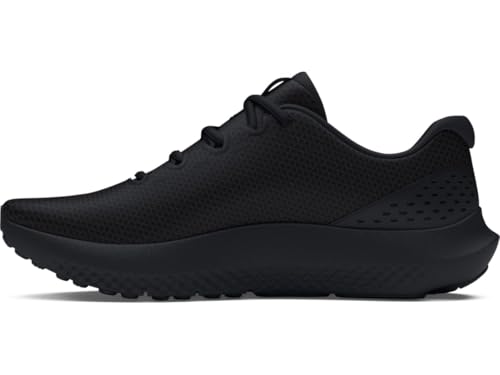
If you’re someone who values both comfort and durability in a training shoe, the Under Armour Men’s Charged Surge 4 Sneaker stands out as a reliable choice for weight training and all-day wear. I’ve found the breathable mesh upper, reinforced with synthetic overlays, strikes a smart balance between airflow and structural support. The enhanced ankle collar cushions each step without sacrificing stability. I immediately noticed how the Deluxe Comfort System sockliner conforms to my foot, eliminating break-in time. Charged Cushioning® absorbs impact while staying responsive-ideal for long sessions. The rubber outsole grips well and shows little wear, even after weeks of heavy use.
Best For: Individuals seeking a durable, comfortable training shoe ideal for weight training and all-day wear.
Pros:
- Breathable mesh upper with synthetic overlays offers excellent airflow and structural support
- Charged Cushioning® midsole provides responsive, long-lasting comfort for extended use
- Durable rubber outsole delivers reliable traction and resists wear over time
Cons:
- Limited color options may not appeal to all preferences
- Sizing may run slightly narrow for wider feet
- Not designed for high-impact running or intense cardio activities
Under Armour Men’s Project Rock Blood Sweat Respect 4 Sneakers

I choose the Under Armour Men’s Project Rock Blood Sweat Respect 4 when I need a training shoe that keeps up with heavy lifting and high-intensity workouts without sacrificing support or grip. The perforated mesh upper breathes well, while the strap and heel overlays lock my foot down securely. I appreciate the bootie design-it feels snug but not tight. Charged Cushioning® absorbs impact without softening ground feel, which is key when I’m squatting or lunging. UA TriBase™ boosts stability and lets my heel hit flat, improving my form. The full rubber outsole grips consistently, even during back-to-back sessions, and shows minimal wear over time.
Best For: Lifters and high-intensity trainers seeking a durable, supportive shoe with excellent stability, responsive cushioning, and reliable traction.
Pros:
- Durable perforated mesh upper with strategic overlays ensures ventilation and secure lockdown
- Charged Cushioning® provides responsive impact absorption without sacrificing ground feel
- UA TriBase™ and full rubber outsole deliver superior stability, flexibility, and long-term durability
Cons:
- Bootie design may feel too snug for those with wider feet
- Limited colorways and aesthetic customization options
- Slightly heavier than minimalist training shoes, less ideal for running
Factors to Consider When Choosing Men’s Weight Training Shoes
You need breathable upper materials to keep your feet cool during intense lifting sessions, and a well-structured fit with secure lockdown guarantees your foot stays stable under heavy loads. Midsole cushioning should balance comfort and firmness, giving you enough support without sacrificing the ground feel essential for proper form. Don’t overlook outsole traction and durability-solid rubber with multidirectional patterns grips well and lasts, while a lightweight, minimally flexible design helps you move efficiently between lifts.
Upper Material Breathability
When pushing through heavy sets or high-volume training blocks, your feet generate significant heat and sweat, making upper material breathability a critical factor in maintaining performance and comfort. You’ll benefit from perforated mesh uppers, which promote steady airflow and help regulate foot temperature. Strategic ventilation in high-heat zones-like the toe box and midfoot-matches your foot’s natural sweat patterns, keeping things cooler where it matters most. Lightweight mesh with targeted airflow zones offers breathability without compromising support, so your shoe stays durable under load. Many models pair these breathable uppers with moisture-wicking linings, reducing dampness and lowering blister risk during long sessions. Unlike bulkier materials, well-ventilated uppers enhance comfort over time, especially in warm gym environments. You’re not just moving air-you’re managing a microclimate. For consistent training, breathability isn’t a luxury; it’s a functional necessity that supports foot health and focus under pressure.
Midsole Cushioning Performance
Cushioning isn’t just about softness-it’s about function under force, shaping how your foot handles impact and rebound during demanding workouts. You need a midsole that absorbs shock during jumps or sprints, reducing joint stress without sacrificing stability. Responsive foams offer quick energy return, helping you power through explosive movements more efficiently. The right density and thickness balance cushioning with support-too soft, and your foot sinks; too firm, and you lose comfort on hard floors. Look for durable foam that maintains performance over months of daily use, resisting compression set. Proper midsole design also stabilizes your foot during lateral cuts or sudden direction shifts, keeping you in control. Don’t just chase plush padding-prioritize engineered cushioning that enhances both safety and output. Your training demands consistency, so choose a midsole built to perform, not just feel good at first step-in.
Outsole Traction Durability
A high-performing midsole means little if the outsole can’t maintain reliable contact with the ground, especially when forces shift rapidly during intense lifts or agility drills. You need a durable rubber outsole that resists wear from gym floors and concrete, ensuring long-term traction. Full-coverage rubber outsoles outlast partial designs, maintaining grip and structural integrity over time. Look for multidirectional tread patterns-they boost lateral grip and reduce slip risk during dynamic moves. Outsole materials with high abrasion resistance hold up better under constant friction and impact, preserving performance. Optimized outsole geometry also increases ground contact, improving stability during heavy squats or explosive jumps. You’ll train safer and more efficiently when your shoes stay planted. Don’t overlook this-consistent, durable traction supports every rep, set, and sprint. Your progress depends on it.
Fit And Lockdown
How does your foot stay secure when pushing through a heavy deadlift or cutting laterally across the gym floor? A snug, sock-like fit keeps your foot from shifting inside the shoe, boosting balance and power transfer. Supportive overlays and bootie construction wrap your foot tightly, reducing slippage during explosive moves. Structured heel counters and midfoot straps lock you in place, offering stability in both vertical jumps and side-to-side drills. Perforated uppers balance breathability with structure, so the shoe holds its shape under load without trapping heat. Ankle collar padding and tight heel zones minimize internal movement, enhancing control when lifting heavy. Together, these features guarantee consistent lockdown, meaning your foot and shoe move as one unit. That kind of secure fit isn’t just comfortable-it’s essential for performance and injury prevention.
Weight And Flexibility
Your foot stays secure thanks to a locked-in fit, but how that shoe moves with you-especially under load-comes down to weight and flexibility. Lightweight materials reduce fatigue during high-rep circuits or conditioning, letting you move freely without sacrificing support. A flexible forefoot helps your foot splay naturally under heavy loads and enables efficient toe-off during jump training or dynamic lifts. Look for minimal heel-to-toe drops-they encourage balanced posture and a stable base when pushing through squats or deadlifts. Strategic flexibility zones maintain structural integrity while improving range of motion. But be careful: too much bend, especially in the midfoot or arch, weakens stability and raises injury risk during max-effort lifts. The best training shoes strike a balance-light enough to move, stiff enough to support.
Frequently Asked Questions
Can I Use Weight Training Shoes for Running?
No, you shouldn’t use weight training shoes for running. They’re built with a stiff sole and elevated heel for stability during lifts, not the flexibility and cushioning needed for running. That rigid design limits foot motion and absorbs shock poorly, increasing injury risk over distance. Your feet and joints need dynamic support and impact protection-things training shoes don’t provide. Stick to proper running shoes. They’re engineered for repetitive stride cycles, ensuring comfort, efficiency, and long-term joint health.
Do Weightlifting Shoes Help With Squat Form?
Yes, weightlifting shoes help you squat with better form. They’ve got a raised, solid heel that lets you stay upright and keep your chest high. The stable base supports your feet so you don’t wobble, and the snug fit locks your heels down. That helps you hit depth safely and build strength over time. You’ll notice more control, especially on heavy lifts.
Are High-Top Training Shoes Better for Ankles?
Yes, high-top training shoes do offer better ankle support than low-tops, thanks to their extended collar that stabilizes your ankle joint during dynamic moves. You’ll feel more secure during lateral cuts or heavy lifts, reducing roll risk. However, they’re not a substitute for strong stabilizing muscles. If you have a history of sprains or need extra stability, they’re a smart choice-but prioritize fit and midfoot lockdown to get real benefit.
How Often Should I Replace My Training Shoes?
You should replace your training shoes every 6 to 12 months, depending on how often you train and the intensity of your lifts. If you’re lifting heavy three or more times a week, check for worn soles, compressed midsoles, or heel breakdown-these reduce stability and power transfer. Even if they look fine, materials degrade over time, so don’t push beyond a year. Rotating shoes helps extend their life and supports better recovery by maintaining proper support.
Can I Wear Weight Training Shoes Daily?
You can wear weight training shoes daily, but it’s not ideal. They’re built for stability and stiffness, which limits natural foot movement. Daily use accelerates wear on the sole and diminishes cushioning. While their durable construction handles heavy lifts well, constant casual wear reduces longevity and support. For recovery or light activity, a dedicated cross-trainer or supportive sneaker offers better comfort and versatility. Reserve your training shoes for performance days to maximize their effectiveness and lifespan.