Best Men’s Tights for Comfort and Performance
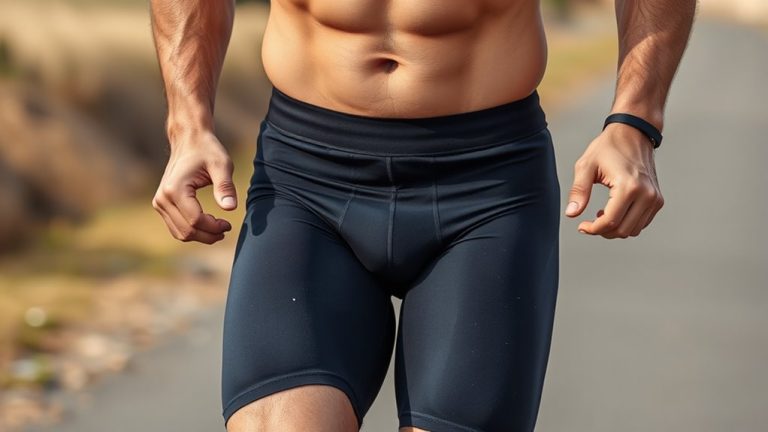
You get targeted muscle support and enhanced circulation with the Adidas Men’s Techfit Compression Training Tights, thanks to their 15–20 mmHg moderate compression and four-way stretch fabric. They wick moisture fast, stay breathable through intense workouts, and reduce fatigue with graduated support. Reinforced seams and durable fabric handle heavy use, while the snug, chafe-free fit supports dynamic movement. You stay comfortable whether lifting, running, or recovering. There’s more to how they deliver long-term performance.
We are supported by our audience. When you purchase through links on our site, we may earn an affiliate commission, at no extra cost for you. Learn more. Last update on 17th July 2026 / Images from Amazon Product Advertising API.
Notable Insights
- Look for targeted compression (15–20 mmHg) to support muscles, enhance circulation, and reduce fatigue during workouts.
- Choose four-way stretch fabrics with moisture-wicking properties to ensure comfort, breathability, and freedom of movement.
- Prioritize flatlock seams and a snug, non-restrictive fit to prevent chafing and maintain circulation during dynamic activities.
- Opt for reinforced stitching and durable fabrics in high-stress areas to withstand repeated use and intense training.
- Select tights with reflective details and versatile designs suitable for both gym performance and everyday wear.
Adidas Mens Techfit Compression Training Long Tights

If you’re a serious athlete or gym-goer who values both performance and precision in your training gear, the Adidas Men’s Techfit Compression Training Long Tights are built for you. I’ve worn them through HIIT sessions and heavy lifts, and the TECHFIT technology genuinely supports explosive power generation, stabilizing key muscles when it matters most. AEROREADY keeps sweat under control-no damp chill post-workout. The compression fit hugs strategically, improving circulation without restricting movement, and the allover print gives a sharp, athletic look. These aren’t just leggings; they’re performance gear designed to elevate training intensity, recovery, and confidence, mile after mile.
Best For: Serious athletes and gym-goers seeking high-performance compression wear that enhances power, recovery, and moisture management during intense training.
Pros:
- TECHFIT technology provides targeted muscle support for improved explosive power and stability
- AEROREADY moisture management keeps skin dry and comfortable during and after workouts
- Compression fit enhances circulation and recovery while maintaining freedom of movement
Cons:
- Compression may feel too tight for users unaccustomed to snug-fitting training gear
- Allover print may not appeal to those preferring minimalist or subtle designs
- Higher price point compared to standard athletic leggings
Factors to Consider When Choosing Men’s Tights
You’ll want to think about fit and comfort first-tights that hug your muscles without restricting movement help with performance and recovery. Look for materials that offer breathability and moisture management, since staying dry reduces chafing and keeps you comfortable during intense or prolonged workouts. Compression level and durability matter just as much, as proper support boosts circulation while high-quality fabrics hold up through repeated use and washing.
Fit And Comfort
While achieving peak performance and effective recovery, the fit and comfort of men’s tights play a decisive role in both function and wearability. You need a snug yet supportive fit that applies consistent pressure without restricting movement or circulation. Look for moderate compression-around 15–20 mmHg-as it enhances blood flow during training and speeds up recovery. Four-way stretch fabric moves with your body, ensuring comfort through dynamic motions like squats or sprints. Flatlock seams lie flat against the skin, reducing chafing during long wear, especially in high-friction zones like the inner thighs. A well-designed pair molds to your shape without pinching or sagging. If the tights dig in or feel loose, they won’t deliver the intended benefits. Proper fit isn’t just about size-it’s about how the garment supports your mechanics, stabilizes muscles, and enhances overall endurance.
Material And Breathability
When pushing through intense workouts or recovering post-exercise, the material of your men’s tights directly impacts how well you perform and feel. You need moisture-wicking fabrics that pull sweat away from your skin, keeping you dry and comfortable. Look for blends of polyester or nylon-they’re durable, quick-drying, and enhance breathability. High air permeability guarantees efficient airflow, reducing heat buildup during long sessions. Materials with mesh ventilation zones strategically boost breathability in high-sweat areas like the back or inner thighs. Even with snug compression, breathable construction is essential to prevent overheating. Avoid cotton-rich blends-they trap moisture and hinder performance. Instead, prioritize technical synthetics engineered for movement and climate control. These materials adapt to your body’s needs, supporting recovery and endurance. Smart fabric choices don’t just feel better-they actively improve your training efficiency and comfort from warm-up to cooldown.
Compression Level
Though often overlooked, the compression level in men’s tights plays a critical role in both performance and recovery, measured in millimeters of mercury (mmHg) and ranging from mild (15–25 mmHg) to firm (30–40 mmHg). You’ll find that higher compression boosts blood flow and delivers more oxygen to working muscles, which can cut down fatigue during intense efforts. Graduated compression-tighter at the ankle and easing upward-supports better venous return and reduces muscle oscillation, so it’s ideal for endurance activities. For light recovery or everyday wear, mild compression feels comfortable without restricting movement. But if you’re tackling long runs or heavy training, firm levels offer the muscular support you need. Getting the wrong level risks discomfort or even impaired circulation, so always match the compression to your activity. A proper fit guarantees you get real benefits without sacrificing mobility or safety.
Moisture Management
Look for men’s tights that actively wick moisture using technical fabrics designed to pull sweat away from your skin and move it to the outer layer for quick evaporation. You’ll stay drier and more comfortable when the material combines hydrophobic and hydrophilic fibers, which work together to transport moisture efficiently. High-performance textiles often feature micro-channel structures that boost surface area, speeding up drying time during intense workouts. This kind of moisture control isn’t just about comfort-it helps reduce chafing and irritation by minimizing how long sweat lingers on your skin. Lab tests measure effectiveness in grams per square meter per 24 hours (g/m²/24hr), so check specs when comparing options. You’ll want a fabric that balances breathability with thermal regulation, especially if you’re training in varying conditions. Smart moisture management keeps you focused, dry, and performing at your best, mile after mile.
Durability And Quality
You’ll want men’s tights built to last, especially if you’re logging serious miles or tackling rugged workouts, and that starts with smart construction choices. Look for reinforced stitching at high-stress zones like inner thighs and seams-it prevents splitting when you push hard. Higher denier fabrics resist tears, abrasions, and pilling, so they’ll hold up after repeated washes and intense use. Opt for materials with elastane or spandex; they snap back into shape even after constant stretching. Double-layered fabric in the knees and seat boosts resilience during movements that involve squatting or grinding on rough surfaces. Flatlock seams aren’t just for comfort-they reduce chafing and are less likely to fray over time. Together, these features signal quality you can trust, not just on day one, but through season after season of demanding wear.
Design And Style
When choosing men’s tights, design and style do more than just reflect your personal taste-they influence both performance and versatility. You’ll want to pick designs with unique print patterns or color blocking if you like expressing personality while keeping a sporty edge. Seam placement and cut matter too; well-placed seams reduce chafing and enhance comfort while giving a sleek, sculpted look. If you train early or late, go for styles with reflective details to stay visible in low light. For everyday wear that moves from gym to street, minimalist designs with subtle detailing offer flexibility without sacrificing style. Pay attention to fit-snug, tailored silhouettes support efficient movement and improve posture appearance. You’re not just dressing for looks; you’re choosing smart, functional apparel that works with your body and routine.
Activity Specific Use
Because your activity determines the demands placed on your gear, selecting men’s tights tailored to specific workouts enhances both performance and comfort. If you’re running or cycling hard, go for moisture-wicking fabric-it pulls sweat away fast, so you stay dry. For endurance training or recovery, compression-style tights help support muscles and boost circulation, cutting fatigue. When lifting weights or doing calisthenics, make sure your tights have four-way stretch; it allows full range of motion without resistance. Hitting trails or training in cold weather? Choose a pair with thermal insulation to retain heat and keep muscles loose. And for long outdoor sessions, UV-protective fabric shields your skin from sun damage. You’re not just buying tight-fitting pants-you’re investing in gear that works with your body. Match the fabric and fit to your movement, and you’ll feel the difference every time you train.
Sizing Accuracy
Proper sizing transforms men’s tights from simple athletic wear into high-performing gear that supports your body’s needs during and after exercise. You need accurate measurements at your natural waist and the widest part of your hips to match brands’ sizing charts correctly. This guarantees effective compression, which improves circulation and reduces muscle fatigue. Check the inseam length too-your tights shouldn’t bunch at the ankles or stretch too tight over your calves, or performance suffers. A snug fit without pinching means you’ve got the right size, allowing full range of motion and comfort. Don’t overlook fabric elasticity; highly stretchable materials may require sizing down to maintain intended compression. Guessing your size risks poor support and discomfort, so take the time to measure. Accurate sizing isn’t just about fit-it’s about function, durability, and recovery during every workout.
Frequently Asked Questions
Can I Wear Men’s Tights as Outerwear in Cold Weather?
You can wear men’s tights as outerwear in cold weather, but it’s not ideal for harsh conditions. Most tights lack wind resistance and sufficient insulation on their own. You’re better layering them under pants for added warmth and moisture control. Some high-performance tights now include windproof panels and thermal lining, making them more viable. Still, they’re designed primarily as base layers, so durability and weather protection improve when you layer them properly.
Are Compression Tights Suitable for Everyday Casual Use?
Yes, you can wear compression tights daily if you value support and muscle recovery. They improve circulation and reduce fatigue, especially if you sit or stand for long periods. However, they’re designed for performance, not fashion, so comfort depends on fit and fabric breathability. Look for moisture-wicking, seamless designs to avoid chafing. While suitable for casual use, frequent wear demands proper washing to maintain elasticity and hygiene. Overuse without rest may reduce effectiveness.
Do Men’s Tights Restrict Movement During High-Intensity Workouts?
No, they don’t restrict movement if you choose the right pair. You get full range of motion when the fabric blends spandex with nylon or polyester, offering four-way stretch that moves with you. Quality tights hug muscles without squeezing too tight, enhancing blood flow during sprints, jumps, or lifts. Poor fits or low elasticity cause binding, but well-designed pairs support intensity while staying breathable and sweat-wicking. You stay agile, not limited.
How Often Should I Replace My Compression Tights?
You should replace your compression tights every 6 to 12 months with regular use. Fabric elasticity breaks down over time, reducing support and muscle stabilization. Washing frequency, intensity of workouts, and material quality directly affect lifespan. Signs like bagging knees, faded compression, or chafing mean it’s time for a new pair. High-end fabrics last longer but still degrade. Proper care extends usability, but don’t rely on them past a year if you’re serious about performance and recovery.
Can I Wear Underwear Under Men’s Tights Without Discomfort?
You can wear underwear under men’s tights, but it might reduce compression benefits and cause bunching. Most performance tights have a built-in supportive pouch, so adding underwear often leads to discomfort during movement. If you prefer extra coverage, go for seamless, moisture-wicking styles to minimize friction. Always prioritize moisture management and fit-bulkier underwear traps sweat and hinders fabric performance. For best results, skip the extra layer and trust the design.