Top-Rated Compression Shirts That Boost Performance and Comfort
You get top-rated performance and comfort with compression shirts like Under Armour’s HeatGear line, where moisture-wicking fabric and ergonomic seams work together to support intense activity. The blend of polyester and elastane offers stretch, sweat control, and a snug second-skin fit that boosts circulation. Mesh ventilation under arms and across the back enhances cooling, while flatlock seams reduce chafing. Proper care maintains compression. See how design details impact real-world use.
We are supported by our audience. When you purchase through links on our site, we may earn an affiliate commission, at no extra cost for you. Learn more. Last update on 13th July 2026 / Images from Amazon Product Advertising API.
Notable Insights
- Lightweight HeatGear® fabric with moisture-wicking polyester and elastane provides a supportive, breathable second-skin fit.
- Strategic mesh panels under arms and across the back enhance airflow in high-sweat zones.
- Hybrid raglan sleeves and ergonomic seams improve mobility and reduce chafing during dynamic movement.
- Graduated compression supports circulation, reduces muscle fatigue, and enhances performance and recovery.
- Flatlock seams and optimized placement minimize irritation and increase durability during intense workouts.
Under Armour Men’s HeatGear Compression Short-Sleeve T-Shirt
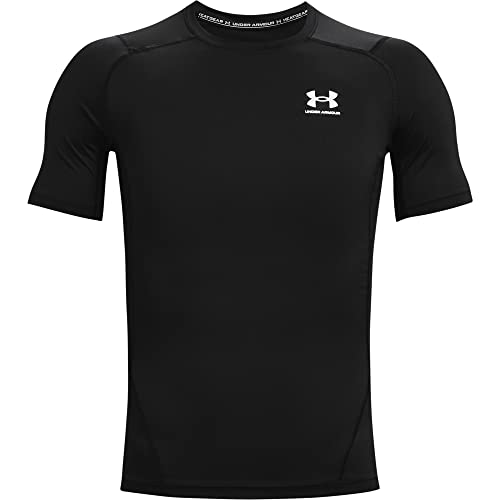
If you’re looking for a single standout option among top-rated compression shirts-especially if you prioritize breathability and motion efficiency during high-output workouts-the Under Armour Men’s HeatGear Compression Short-Sleeve T-Shirt delivers exactly that. I’ve worn it through sprints, lifts, and endurance sessions, and the super-light HeatGear® fabric stays comfortable without sacrificing coverage. Mesh panels under the arms and across the back boost airflow exactly where I need it. The hybrid raglan sleeves move with me, not against me, and fewer seams in high-friction zones mean less chafing and better durability. Plus, the write-in tag at the neck makes it easy to claim after group training. It’s thoughtfully built for real athletic demands.
Best For: Athletes and fitness enthusiasts who need a breathable, durable compression shirt for high-intensity workouts.
Pros:
- Lightweight HeatGear® fabric enhances comfort and coverage during intense physical activity
- Mesh underarm and back panels improve breathability and airflow
- Hybrid raglan sleeves and optimized seam placement increase range of motion and reduce chafing
Cons:
- Compression fit may feel too tight for those preferring looser athletic wear
- Minimal sun protection due to lightweight, breathable fabric
- Write-in tag may wear off over time with repeated washing
Under Armour Men’s HeatGear Compression Long-Sleeve T-Shirt
The Under Armour Men’s HeatGear Compression Long-Sleeve T-Shirt stands out as a top pick for athletes and active individuals seeking lightweight support during high-intensity training or recovery. I’ve found the 84% polyester and 16% elastane blend offers a snug, second-skin fit that moves with me, not against me. The mesh underarm and back panels seriously boost breathability, keeping me cool when workouts heat up. Its ergonomic seams and hybrid raglan sleeves reduce chafing and improve mobility, which I appreciate during dynamic movements. I always wash it cold and skip the softener-it keeps the fabric performing. Made for Baltimore, it’s built to last.
Best For: Active individuals and athletes seeking a lightweight, breathable compression shirt for high-intensity training or recovery.
Pros:
- Super-light HeatGear® fabric provides minimal weight with full coverage and a secure compression fit
- Strategic mesh ventilation in underarm and back panels enhances breathability during intense workouts
- Ergonomic seams and hybrid raglan sleeves reduce chafing and improve range of motion
Cons:
- Compression fit may feel too tight for those preferring a looser, relaxed fit
- Care instructions require attention: no softeners, ironing, or dry cleaning allowed
- Potential durability concerns in high-abrasion areas despite seam relocations
Factors to Consider When Choosing Compression Shirts
You’ll want to pay close attention to fabric composition, since materials like polyester-spandex blends offer both elasticity and moisture-wicking efficiency. Make sure the fit type matches your activity-tighter compression supports muscles during recovery, while a slightly relaxed fit improves comfort for daily wear. Features like ventilation zones, flatlock seams, and strategic range of motion all influence performance, so prioritize shirts that balance support with flexibility.
Fabric Composition
A well-chosen compression shirt relies heavily on fabric composition to deliver performance, comfort, and durability during workouts and recovery. You’ll typically find blends of 80–85% polyester and 15–20% elastane, a combination that balances moisture-wicking efficiency with stretch. Polyester keeps sweat moving away from your skin, helping regulate temperature during intense exercise, while elastane guarantees the shirt hugs your muscles without restricting motion. This mix also helps the fabric retain its shape after repeated wears and washes. Look for mesh panels with up to 90% polyester-they boost breathability in high-sweat areas without sacrificing structure. Most quality compression shirts use lightweight fabric, usually under 180 gsm, so you stay cool and move freely. Choosing the right blend means you get support, comfort, and longevity-all essential for effective training and recovery.
Fit Type
Fit precision governs how effectively a compression shirt supports your movement and recovery. You need a fit that’s snug but not restrictive, offering a second-skin feel that stabilizes muscles and enhances circulation. Compression fit is the tightest, applying graduated pressure to boost blood flow and reduce fatigue, making it ideal for intense workouts or recovery. If it’s too tight, though, you risk chafing and restricted motion; too loose, and you lose the performance benefits. Look for ergonomic seams and articulated sleeves-they help maintain mobility without sacrificing support. Slim and regular fits offer more comfort but less medical-grade compression. Your choice depends on activity level and desired support. Always size carefully-accuracy guarantees effectiveness. A well-fitted shirt moves with you, stays in place, and delivers consistent pressure where needed, helping you perform better and recover faster without compromising comfort.
Ventilation Features
When pushing through intense workouts or recovering from strenuous activity, staying cool and dry matters just as much as muscle support-so effective ventilation in compression shirts isn’t just a bonus, it’s essential. You’ll want shirts with mesh panels under the arms or down the back, since they boost airflow where you generate the most heat. These ventilation zones align with your body’s natural sweat patterns, helping moisture escape quickly and cooling you more efficiently. Breathable fabrics in key areas reduce humidity buildup, maintaining a stable microclimate next to your skin. Many top designs use perforated textiles or multi-zone mapping to increase air exchange without sacrificing compression. The lighter fabric weight also enhances comfort during prolonged wear. You’ll notice the difference in shirts that balance ventilation with support-those engineered with smart airflow don’t trap heat but still deliver the muscle stabilization you need. Look for these features if you demand both peak performance and recovery efficiency.
Seam Placement
While you’re focused on performance and recovery, don’t overlook how seam placement directly impacts comfort and functionality in compression shirts. You’ll want seams positioned away from high-friction zones like shoulders and underarms-this reduces chafing during long runs or intense workouts. Flatlock seams are your best bet; they lie flat against the skin, minimizing irritation while maintaining flexibility. When manufacturers align seams with natural body lines, the shirt moves with you, preventing bunching and pressure points. This smart positioning also strengthens the garment’s durability, since less stress hits the stitches during motion. A well-placed seam supports an ergonomic fit, so the shirt stays snug without riding up. You’re not just buying compression-you’re investing in thoughtful design that enhances endurance and comfort. Look for brands that prioritize these details; your skin and muscles will notice the difference.
Range Of Motion
You’ll get the most out of your compression shirt if it moves with you, not against you, and that starts with how well it supports your range of motion. Look for four-way stretch fabrics-they expand and recover in every direction, keeping up with dynamic movements without slackening compression. A hybrid raglan sleeve design reduces shoulder restriction, letting you lift, swing, or stretch freely. Ergonomic patterning aligned with natural joint motion guarantees the shirt moves *with* your body, not against it. Seams placed away from high-friction zones cut down on chafing during repetitive actions, boosting comfort and mobility. Mesh ventilation in high-motion areas like underarms prevents overheating, so you stay cool and agile longer. Together, these features don’t just allow movement-they enhance it, maintaining performance benefits without compromise. When range of motion is built into the design, you move more efficiently, recover faster, and train smarter.
Care Requirements
A compression shirt performs best when it fits precisely and functions as designed, but maintaining that performance depends on how well you care for it. You should always wash it in cold water with similar colors-this prevents fabric degradation and stops dyes from bleeding. Use non-chlorine bleach only if absolutely necessary, since chlorine breaks down elastic fibers and weakens compression over time. Tumble dry on low heat to preserve elasticity and avoid shrinkage from high temperatures. Never use fabric softeners; they coat fibers and reduce moisture-wicking efficiency, undermining one of the shirt’s core benefits. Avoid ironing entirely-high heat damages synthetic materials, distorting fit and diminishing performance. Proper care preserves both function and longevity, ensuring your compression gear supports recovery and movement as intended. Smart maintenance isn’t optional-it’s essential to sustained athletic advantage.
Frequently Asked Questions
Can Compression Shirts Be Worn as Regular Everyday Shirts?
Yes, you can wear compression shirts as everyday tops-they’re designed to fit snugly and wick moisture, making them comfortable for daily use. You’ll stay cooler and drier, especially in warm or active settings. While they offer mild muscle support, they’re not medical-grade. They hold up well in the wash if you follow care instructions. Just don’t expect the same softness as a regular tee-they feel tighter and more technical, but that’s part of their performance edge.
Do Compression Shirts Help With Posture Improvement?
Yes, compression shirts can help improve your posture by providing gentle support to your upper back and shoulders, encouraging you to stand taller. The snug fit activates your postural muscles, making you more aware of your alignment throughout the day. While they won’t correct long-term issues alone, consistent use-paired with exercise-can reinforce better habits. They’re breathable, moisture-wicking, and ideal for active wear or daily use when you want light support without restricting movement.
Are Compression Shirts Suitable for People With Skin Sensitivities?
You can wear compression shirts with skin sensitivities, but you must check the fabric blend first. Many use synthetic fibers like polyester or nylon, which might irritate sensitive skin. Look for shirts with soft, moisture-wicking, hypoallergenic materials, often blended with natural fibers like bamboo. Seamless designs reduce chafing, and tags should be non-abrasive or absent. Always wash before wearing-detergent residues can trigger reactions-opt for fragrance-free laundry products to stay safe.
Can Women Wear Men’s Compression Shirts Comfortably?
Yes, you can wear men’s compression shirts comfortably if you don’t mind the fit differences. Men’s styles usually cut broader in the shoulders and chest, which might feel looser on narrower frames. Women’s versions tailor to hip and bust proportions, offering more targeted support. You’ll still get the same muscle support and moisture-wicking benefits, but check sizing charts carefully. A proper fit guarantees maximum compression, so trying both versions helps you choose the most effective, comfortable option for your recovery and performance needs.
Do Compression Shirts Lose Their Elasticity Over Time?
Yes, compression shirts lose their elasticity over time, especially with frequent use and improper care. You stretch the spandex and elastane fibers with each wear, and they gradually break down. Washing in hot water or drying on high heat speeds up degradation. You’ll notice the fit变得 looser and support weaker. To maintain performance, you follow care labels, use cold washes, and air dry. High-quality fabrics resist breakdown better, but even they degrade eventually.