Best Active Sitting Chairs for Better Posture and Focus
You’ll stay focused and maintain better posture with active sitting chairs like the Ergonomic Cross Legged Office Chair or Gaiam Balance Ball Chair, both promoting movement and spinal alignment. Models with adjustable height, 360-degree swivel, and wobble features-such as the Learniture or SONGMICS stools-encourage dynamic sitting. Durable builds, weight support up to 350 lbs, and breathable materials enhance comfort. These chairs blend ergonomic design with subtle motion to reduce stiffness and boost concentration throughout the day. Discover how each model balances support, stability, and movement to match your needs.
We are supported by our audience. When you purchase through links on our site, we may earn an affiliate commission, at no extra cost for you. Learn more. Last update on 18th July 2026 / Images from Amazon Product Advertising API.
Notable Insights
- Active sitting chairs like the Gaiam Balance Ball Chair enhance focus and posture through micro-movements that engage core muscles.
- Adjustable height features ensure proper hip and knee alignment, supporting better posture during prolonged sitting tasks.
- Models with 8° to 10° wobble, such as the SONGMICS and Learniture stools, promote dynamic sitting to reduce back pain and increase alertness.
- Ergonomic designs with lumbar support and breathable, durable materials improve comfort and long-term spinal health.
- Stable, durable construction with weight capacities up to 350 lbs ensures safety and suitability for diverse user needs.
Ergonomic Cross Legged Office Chair – Black

If you’re someone who can’t sit still for long-maybe you’ve got ADHD, practice mindfulness, or just need to shift positions constantly to stay focused-this Ergonomic Cross Legged Office Chair is built for your lifestyle. I’ve used it daily, and the fixed backrest with lumbar support genuinely reduces lower back strain, even after hours of sitting. The 360-degree rotating footrest lets me shift seamlessly into cross-legged, kneeling, or squatting positions without awkward adjustments. Made with FSC-Certified wood and a steel base, it’s sturdy, while the PU leather handles spills easily. It’s minimalist, functional, and fits perfectly in my home office-simple to assemble and even simpler to maintain.
Best For: Individuals with ADHD, mindfulness practitioners, or anyone who needs to frequently shift positions while sitting for improved focus and comfort.
Pros:
- Promotes healthy posture with lumbar support and encourages active sitting through flexible positioning
- Durable construction with FSC-Certified wood, steel base, and easy-to-clean water-resistant PU leather
- Enables seamless posture changes with a 360-degree rotating footrest, ideal for cross-legged, kneeling, or squatting positions
Cons:
- May not provide sufficient padding for users expecting plush cushioning during extended use
- Fixed backrest limits reclining options for those who prefer a more relaxed seating angle
- Minimalist design, while stylish, may not appeal to users seeking a traditional office chair appearance
Gaiam Balance Ball Chair with Stability Ball

The Gaiam Balance Ball Chair with Stability Ball stands out as a top choice for anyone seeking active sitting that sharpens focus while supporting spinal health. I’ve found it engages my core through subtle micro-movements, boosting alertness and reducing back fatigue. Designed with chiropractic input, it encourages upright posture and eases lower back strain. It fits users 5 ft to 5’11”, works with most desks, and can be raised 2 inches with optional leg extenders. The 52cm ball is removable, durable, and supports up to 300 lbs. Assembly takes minutes, and the included pump and guide make setup simple.
Best For: Individuals seeking improved posture, core engagement, and focus during work or study with a height range of 5 ft to 5’11”.
Pros:
- Encourages active sitting through micro-movements, enhancing concentration and reducing back pain
- Chiropractically designed to promote upright posture and core strength
- Includes all components for quick assembly and offers optional height adjustment with leg extenders
Cons:
- Limited height range may not suit users outside 5 ft to 5’11”
- Initial inflation requires a waiting period before full use
- Removable ball may need periodic re-inflation with regular use
Primy Criss Cross Office Chair (Black)

I’ve found the Primy Criss Cross Office Chair (Black) works best for people who want movement built into their seated routine, especially those turning home offices or meditation corners into active sitting zones. Its adjustable height and 360° rotating footrest let me shift easily between cross-legged, kneeling, or squatting postures, promoting better spinal alignment. The sturdy metal base and SGS-certified cylinder feel solid, supporting up to 250 pounds without wobbling. High-density foam and breathable PU leather keep me comfortable, while the armless design encourages mobility. At 20 pounds, it’s stable but not too heavy to move. I appreciate that it’s low-maintenance and fits modern spaces well.
Best For: Active sitters who want dynamic posture support during work, meditation, or yoga in modern home or office spaces.
Pros:
- Encourages healthy, active sitting with adjustable height and 360° rotating footrest for cross-legged, kneeling, or squatting positions
- Durable construction with SGS-certified cylinder, metal base, and 250-pound weight capacity ensures stability and longevity
- Comfortable, breathable PU leather and high-density foam make it easy to clean and ideal for prolonged use
Cons:
- Limited to two fixed height positions, reducing customization for users of varying statures
- Non-reclining backrest restricts lounging options, limiting versatility for relaxation
- Not foldable, making it less convenient for storage or transport despite its 20-pound weight
AreShark Cross Legged Office Chair
You’ll appreciate the AreShark Cross Legged Office Chair if you value dynamic sitting and need a single seat that adapts to multiple postures throughout the day-think desk work, sketching in a studio, or shifting into a kneeling meditation break. I’ve found its 360° swivel footrest and flip-up arms make posture shifts seamless, while dual-density foam supports my spine and hips without pressure points. At 23.23 inches high, it aligns well with standard desks, and the sturdy FSC-certified base handles up to 350 lbs. I can assemble it in under 15 minutes, and the non-marking casters glide smoothly on hardwood.
Best For: Individuals with ADHD or creative workflows who need a versatile, ergonomic chair that supports multiple sitting postures and promotes dynamic movement throughout the day.
Pros:
- Multi-functional design supports desk, drafting, kneeling, and meditation positions with flip-up armrests and a 360° swivel stretchable footrest
- Dual-density foam padding and height-adjustable seat promote spinal alignment, pressure distribution, and comfort during long sitting sessions
- Durable FSC-certified wood base, 350 lbs weight capacity, and floor-friendly casters ensure stability and longevity in home or office use
Cons:
- Non-reclining and non-foldable design limits customization and portability
- Only three height positions may not suit all desk setups or user preferences
- Faux leather material, while easy to clean, may lack breathability during extended use
Learniture Adjustable Height Wobble Stool
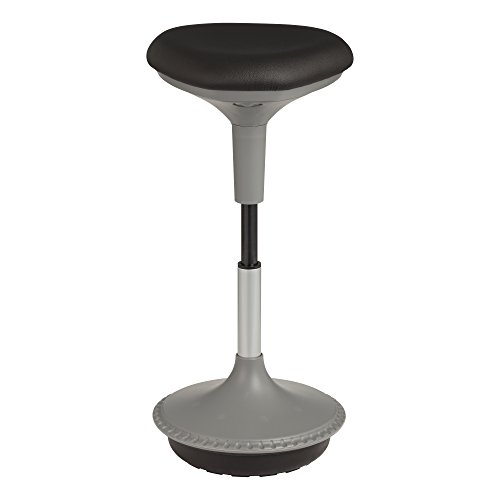
Anyone seeking a versatile active sitting solution for classrooms or home offices will find the Learniture Adjustable Height Wobble Stool stands out for its blend of dynamic movement support and ergonomic design. I’ve used it daily and appreciate how the curved base encourages subtle rocking, sharpening focus without distraction. The backless build keeps my spine aligned and core engaged, while the 12.6-inch padded seat stays comfortable over hours. Its gas lift adjusts smoothly from 18.5 to 28 inches, fitting users of various heights, and the 265-pound capacity guarantees stability. Built with durable polypropylene and a wipe-clean vinyl surface, it’s light, sturdy, and easy to move-ideal for active learning or focused work.
Best For: Students, teachers, and remote workers who want an active seating solution that promotes focus, posture, and comfort in classrooms or home offices.
Pros:
- Adjustable height (18.5–28 inches) accommodates a wide range of users and desk setups
- Encourages active sitting with a wobble base that improves concentration and core engagement
- Durable, lightweight design with a wipe-clean surface makes it ideal for frequent use in shared or educational environments
Cons:
- Backless design may be uncomfortable for users who prefer lumbar support
- Maximum weight limit of 265 pounds may exclude some users
- Requires assembly from a 14-piece kit, which could be time-consuming for some
SONGMICS Ergonomic Wobble Stool (UOSC02BK)
The SONGMICS Ergonomic Wobble Stool (UOSC02BK) stands out as an ideal choice for those seeking a simple, durable solution to enhance posture and encourage movement during prolonged sitting. I’ve found its 8° tilt effectively promotes active sitting, reducing stiffness and supporting spinal alignment. With height adjustable from 23.6 to 33.3 inches, it fits seamlessly at standing desks or counters, and the non-slip base keeps it steady. The large, foam-padded seat in breathable polyester stays comfortable for hours. Built from steel, plywood, and reinforced plastic, it supports up to 264 lbs without sagging. Assembly takes minutes-no tools needed-and it holds up well to daily use.
Best For: Individuals seeking a durable, adjustable wobble stool to improve posture and encourage active sitting at standing desks or counters.
Pros:
- Promotes healthy posture and reduces back pain with an 8° ergonomic tilt
- Height adjustable (23.6–33.3 inches) and features a non-slip base for stability
- Comfortable, large foam-padded seat with breathable fabric for extended use
Cons:
- Weight capacity limited to 264 lbs, which may not suit all users
- Seat fabric may retain heat slightly despite breathability claims
- No backrest, which may be uncomfortable for those needing additional support
SONGMICS Ergonomic Wobble Stool (UOSC008B01)
Though I prefer stability in seating, the SONGMICS Ergonomic Wobble Stool (UOSC008B01) stands out for those who benefit from dynamic sitting and need subtle movement to stay focused during long work sessions. Its 10° wobble promotes active sitting, engaging my core and improving posture over time. I appreciate the foam-padded saddle-it supports my hips and spine-while the 360° swivel and height adjustment (23.3–33.1 in) fit my standing desk perfectly. The non-slip base stays put, even when I shift, and it holds up to 264 lbs. Setup took minutes, no tools needed. For ergonomic, low-effort movement, it’s a solid choice.
Best For: Individuals seeking an ergonomic wobble stool to promote active sitting, improve posture, and support core engagement during work sessions.
Pros:
- Encourages active sitting with a 10° wobble and 360° swivel to enhance focus and posture
- Height adjustable (23.3–33.1 in) with a foam-padded saddle for hip and spine support
- Tool-free assembly and non-slip base provide quick setup and stable performance
Cons:
- Triangular design may feel less stable for users preferring traditional seating
- Fabric upholstery may retain heat during extended use
- Weight capacity of 264 lbs may not suit all users
Cross Legged Office Chair with Adjustable Height

You’ll find this Cross Legged Office Chair with Adjustable Height hits the sweet spot if you need dynamic support for long hours at the desk, especially when focus wavers and restlessness creeps in. I’ve used it for writing, gaming, and even meditation, and it keeps me engaged without sacrificing comfort. The 360-degree swivel and SGS-certified gas lift let me shift smoothly, while the breathable PU leather stays cool. High-density sponge padding supports my hips and legs, whether I’m sitting cross-legged or leaning sideways. It rolls easily on wheels, fits tight spaces, and holds up to 250 lbs-solid for daily use.
Best For: Individuals with ADHD or active minds seeking a dynamic, movement-friendly seating solution that enhances focus and comfort during extended work, study, or relaxation sessions.
Pros:
- Supports natural movement with 360-degree swivel and adjustable height for improved concentration
- Breathable PU leather and high-density sponge padding offer lasting comfort in multiple sitting positions
- Compact, wheeled design with pull-out footrest maximizes comfort and mobility in small spaces
Cons:
- May not provide sufficient lumbar support for users preferring traditional upright posture
- Higher learning curve for those unfamiliar with non-traditional seating arrangements
- Limited weight capacity of 250 lbs may exclude some users
Active Seat Balance Trainer & Core Disc

Looking for a way to stay engaged during long hours at your desk without switching chairs entirely? I’ve found the Active Seat Balance Trainer & Core Disc does just that. It turns any chair into an active seating station by gently challenging my core, improving posture and spinal alignment over time. I notice less back stiffness and better hip mobility, especially after 20–30 minutes of daily use. Lightweight and portable, it’s perfect for work, school, or travel. I appreciate how it strengthens abdominal and back muscles while promoting subtle movement. It’s not just a disc-it’s a functional training tool that supports real posture correction.
Best For: Office workers, students, and fitness enthusiasts seeking to improve posture, engage core muscles, and reduce back strain during prolonged sitting.
Pros:
- Converts any chair into an active seating station for improved core engagement and posture
- Lightweight and portable, ideal for use at home, office, school, or on the go
- Promotes spinal alignment, hip mobility, and long-term back health with daily use
Cons:
- May take time to adjust to the unstable surface for beginners
- Limited cushioning compared to traditional seat cushions
- Effectiveness depends on consistent, mindful use throughout the day
GoSports 18″ Wobble Chair for Kids

The GoSports 18″ Wobble Chair stands out as the best active sitting option for kids aged 8 to 12 who need extra sensory and postural support during seated tasks. I’ve found it encourages natural movement-wobbling and tilting 360 degrees-helping fidgety kids, especially those with ADHD, stay focused. The textured footrest gives restless feet sensory input, while the padded seat adds comfort. It’s built from durable HDPE, supports up to 120 lbs, and won’t slip, thanks to the rubber base. Lightweight with built-in handles, it’s easy to move between home and classroom. Assembly takes minutes, and its sturdy design holds up over time.
Best For: Kids aged 8 to 12, especially those with ADHD or sensory processing needs, who benefit from active seating to improve focus and posture.
Pros:
- Encourages natural movement with 360-degree wobble to support focus and fidgeting
- Durable HDPE construction with non-slip rubber base for safety and stability
- Textured footrest and padded seat provide sensory input and comfort
Cons:
- Not suitable for children under 48 inches tall or under 120 lbs
- Limited adjustability for younger or smaller children
- May be too stimulating for some kids in highly structured environments
Factors to Consider When Choosing Active Sitting Chairs
You’ll want to take into account ergonomic design features that support natural posture and keep you comfortable during active sitting. Make sure the chair you pick matches your weight and usage needs by checking its weight capacity limits and material durability quality. Look for adjustable height options, portability, and mobility if you plan to use it in multiple spaces or share it among users.
Ergonomic Design Features
Ergonomic integrity makes all the difference when selecting an active sitting chair designed to support movement without sacrificing comfort. You’ll want built-in lumbar support to maintain your spine’s natural curve and reduce lower back strain over time. Adjustable seat heights-typically between 18 and 33 inches-let you align your hips and knees at a precise 90-degree angle, promoting healthy posture. A 360-degree swivel base gives you smooth, unrestricted movement, encouraging dynamic sitting throughout the day. Look for a slight seat tilt (8° to 10°) to spark subtle shifts in position, engage your core, and boost focus. High-density foam padding in both seat and backrest delivers lasting support, evenly distributing pressure during extended use. These features work together to enhance comfort, stability, and spinal alignment, making your chair not just supportive, but actively beneficial to your daily performance.
Weight Capacity Limits
Few active sitting chairs handle loads beyond 350 pounds, so choosing one that matches your body weight guarantees both safety and longevity. Most models support 120 to 350 pounds, with higher limits typically found in chairs built with reinforced steel frames and industrial-grade gas lifts. These components don’t just boost strength-they help maintain stability during shifting or bouncing motions. If you exceed the listed capacity, you risk straining joints, weakening welds, or sudden failure. Matching your weight to the chair’s rating secures smoother movement and consistent support. Heavy-duty polypropylene shells, steel mechanisms, and dense foam padding all contribute to load tolerance, but they’re engineered to work best within specified ranges. Always check manufacturer specs before buying. Staying within limits isn’t just about durability-it’s about preserving performance, balance, and safe daily use over time.
Material Durability Quality
When selecting an active sitting chair, paying close attention to material durability guarantees the chair withstands daily movement and long-term use. You’ll want high-density foam padding-it keeps its shape and support even after months of constant sitting. FSC-Certified wood components aren’t just eco-friendly; they provide solid, lasting structure that resists warping. A steel or industrial-strength gas lift guarantees smooth, reliable performance over years, especially with frequent adjustments. PU leather upholstery stands up to spills, scratches, and daily wear without peeling or cracking, making it ideal for busy environments. Plus, non-slip rubber bases and floor-friendly casters keep the chair stable and mobile without damaging surfaces or degrading prematurely. These materials work together to extend the chair’s lifespan and maintain safety. Choosing quality materials isn’t just about comfort-it’s a smart investment in long-term performance and reliability.
Adjustable Height Options
While you’re balancing movement and support throughout the day, a chair’s adjustable height range becomes a critical factor in maintaining proper alignment and comfort. You’ll want a model with at least 2 to 3 settings, ideally offering a span from 18.5 to 33.3 inches to fit your body and desk setup. Most top-tier chairs use pneumatic gas lifts-durable, smooth, and often SGS-certified-so you can adjust quickly without sacrificing stability. Proper height guarantees your feet stay flat on the floor or footrest, reducing strain on your back and hips while boosting circulation. Look for tool-free mechanisms; they let you tweak your seat in seconds, whether switching tasks or sharing the chair. It’s not just about fit-it’s about sustained performance. A well-adjusted seat supports active sitting by keeping your posture neutral and your movements efficient, all day.
Portability And Mobility
How often do you switch workspaces or need to store your chair between uses? If you move frequently, look for active sitting chairs under 15 pounds-lightweight models make transport between rooms or travel simple. Smooth-rolling casters glide easily across hard floors, so you can reposition without lifting. Compact designs, some under 14 inches wide and deep, fit neatly in tight spots and store effortlessly. For maximum convenience, choose chairs with tool-free assembly or foldable parts-setup and breakdown take seconds. Even with frequent movement, stability matters: non-slip bases and a low center of gravity keep you secure during active sitting, preventing slips on level surfaces. These features don’t just add convenience-they enhance usability. A portable, mobile chair adapts to your routine, not the other way around, making it a smarter choice for dynamic environments where flexibility and function go hand in hand.
Intended Use Environment
Since your active sitting chair must align with the demands of its environment, choosing the right model means more than comfort-it affects performance, safety, and longevity. If you’re using it in an office, pick a chair that supports at least 250 pounds and offers height adjustability to match standard 28- to 30-inch desks. For home or meditation corners, go for compact designs under 25 inches wide-they save space without sacrificing function. On hard floors, always choose models with non-slip bases or floor-friendly casters to prevent damage and maintain grip during movement. In classrooms, opt for wobble stools supporting at least 120 pounds and built from durable, non-toxic materials for kids’ safety. High-traffic areas like shared workspaces need stain-resistant, easy-to-clean upholstery that stands up to spills and constant use. Match the chair to your setting, and it’ll serve you better-long-term.
Stability During Movement
You’ll want a stable base when choosing an active sitting chair, because constant movement demands reliable support. A non-slip rubber base grips smooth floors, preventing unwanted sliding during shifts in posture. Look for a wide, heavy-duty base with multiple support points-it evenly distributes your weight and lowers tipping risks when you lean or shift. Smooth-rolling casters with swivel locks add control, keeping the chair steady on hard surfaces without sacrificing mobility when needed. A chair with a weight capacity of at least 250 pounds guarantees durability under dynamic use, maintaining stability even during frequent motion. Industrial-grade gas lifts in pneumatic height adjustments prevent wobble, delivering consistent, secure positioning. These features work together to keep your movements smooth and your posture supported-critical for long-term comfort and focus.
Ease Of Assembly
While comfort and stability often take center stage, the ease of assembly plays a crucial role in your first experience with an active sitting chair. You’ll typically spend 5 to 15 minutes putting it together, with many models offering tool-free setups for faster installation. Snap-together parts or pre-attached components streamline the process, letting you skip extra tools and reduce hassle. When tools are needed, most brands include an Allen wrench or hex key, so you won’t scramble for supplies. Clear, step-by-step instructions-often in multiple languages-help you assemble confidently, even without technical skills. Simpler designs like wobble stools usually involve fewer parts and quicker setup than complex kneeling chairs with multiple adjustment points. You’ll appreciate a smooth, frustration-free start, especially if you’re keen to begin using the chair right away. A well-designed assembly process reflects thoughtful engineering and user-focused design.
Frequently Asked Questions
Can I Use an Active Sitting Chair on Carpet?
Yes, you can use an active sitting chair on carpet, but it depends on the model and base design. Chairs with wide, smooth glides or felt pads glide easier without snagging. Avoid chairs with thin metal legs or sharp edges-they might dent or catch fibers. For thick pile carpet, a protective mat helps. Make sure the base offers stability, so rocking or swiveling doesn’t cause uneven wear. Check the manufacturer’s recommendations, as some designs suit hard floors better.
Are Active Sitting Chairs Good for Back Pain?
You’ll find active sitting chairs can help with back pain, but they’re not a fix-all. By engaging your core and promoting subtle movement, they reduce pressure on your spine and improve circulation. Still, if your pain is chronic or injury-related, you might need more targeted support. Used correctly, these chairs encourage healthier posture over time. But if you’re not used to dynamic sitting, start slowly-your muscles need time to adapt, and overuse could worsen discomfort.
Do Wobble Stools Help Improve Balance Over Time?
Yes, wobble stools help improve balance over time by engaging your core and stabilizing muscles with every subtle movement. You constantly make micro-adjustments while sitting, which strengthens proprioception and improves postural control. Regular use builds neuromuscular coordination, especially if you’re sedentary. They’re not a fix-all, but paired with active habits, they support functional fitness. Choose durable, adjustable models and use them consistently for best results.
How Do I Clean a Balance Ball Chair?
You clean a balance ball chair by wiping it down with a damp cloth and mild soap, avoiding harsh chemicals that can damage the vinyl. You dry it immediately to prevent moisture buildup. You check the base and seams regularly, cleaning crevices with a soft brush. You never submerge it-water weakens the structure. You maintain it monthly to extend durability, ensuring stability and hygiene while supporting active sitting.
Can I Sit on an Active Chair All Day?
You can sit on an active chair all day, but you shouldn’t. These chairs engage your core and improve posture, yet prolonged use causes fatigue. Your muscles tire from constant micro-adjustments, potentially leading to strain. Balance ball chairs, for example, lack lumbar support over time. For best results, alternate between an active chair and a supportive ergonomic seat. This mix boosts focus and circulation while preventing overuse, aligning with fitness recovery principles that favor movement variety.