Unlocking the Benefits of Plant-Based Proteins for Vegan Athletes
You’re getting stronger on plants because science shows well-planned plant proteins support muscle growth, endurance, and recovery effectively. Sources like tofu, quinoa, and tempeh deliver complete amino acids, while strategic pairing boosts uptake. Aim for 1.6–2.2g of protein per kg daily, spaced evenly across meals. Post-workout timing matters, but consistent intake matters more. Lower fat and rich antioxidants in plant proteins speed recovery. You’ll see how small tweaks maximize gains and sustain performance over time.
Notable Insights
- Plant-based proteins from sources like soy, quinoa, and legumes support muscle endurance and recovery with high-quality amino acids.
- Vegan athletes need 1.6–2.2 g of protein per kg of body weight daily to meet performance and muscle repair demands.
- Combining complementary plant proteins, such as beans and rice, ensures a complete essential amino acid profile.
- Consuming 20–30 grams of protein within 30–60 minutes post-workout enhances muscle protein synthesis and recovery.
- Even distribution of protein across meals throughout the day sustains amino acid availability better than single large doses.
Why Plant-Based Protein Boosts Athletic Performance
While you might think animal protein is the only way to fuel intense training, plant-based proteins actually offer distinct advantages that support athletic performance in sustainable, efficient ways. You’ll find that legumes, quinoa, and soy provide high-quality amino acids that enhance muscle endurance over time, especially when combined thoughtfully. These proteins are rich in antioxidants and complex carbs, which aid recovery and sustain energy during prolonged activity. Nutrient timing becomes more effective with plant sources because their lower fat content allows quicker digestion post-workout, speeding amino acid delivery when your muscles need them most. Though some plant proteins are lower in certain essential amino acids, strategic pairing-like rice and beans-ensures completeness. For vegan athletes, this means optimized performance without sacrificing recovery quality or long-term health. The evidence supports plant-based diets not just as viable, but as performance-enhancing when properly managed.
How Much Protein Vegan Athletes Really Need
Since your body can’t store protein like it does fat or glycogen, you’ve got to supply it regularly through your diet-especially when you’re pushing hard in training. For vegan athletes, meeting protein needs hinges on understanding both quantity and quality. Current guidelines suggest 1.6 to 2.2 grams of protein per kilogram of body weight daily, depending on training intensity. Forget the outdated *protein myths* that plant proteins are too weak-they work well when you combine varied sources and account for slightly different *digestion rates*. Unlike animal proteins, many plant-based options digest more slowly, which can support sustained amino acid availability. That’s beneficial during recovery, when muscles repair over hours, not minutes. Timing matters, but consistency across meals matters more. With smart planning, you can hit targets without supplements-just focus on whole foods, adequate leucine, and spreading intake throughout the day.
Top 10 Complete Plant Proteins for Athletes
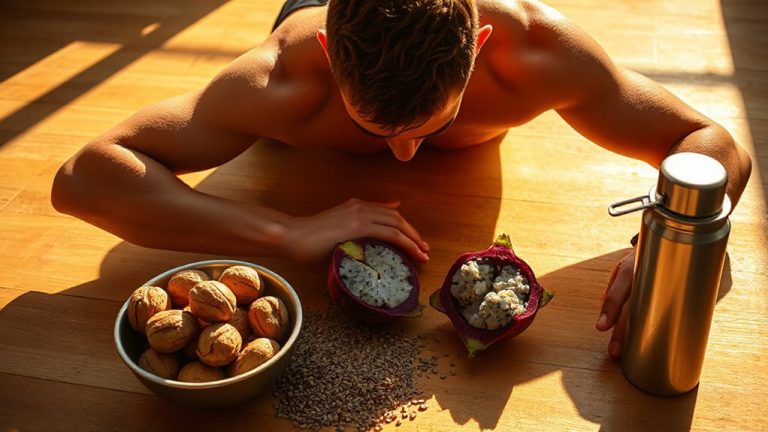
When aiming to optimize recovery and muscle synthesis on a plant-based regimen, you’ll want to prioritize complete proteins-those containing all nine essential amino acids-since they directly support tissue repair and adaptation. You can confidently rely on foods like quinoa, soybeans, tofu, tempeh, and edamame, all of which deliver balanced amino acid profiles. Seitan packs a high protein punch per serving, though it lacks some amino acids, so pair it wisely. Less common but effective options include hemp seeds, chia seeds, buckwheat, nutritional yeast, and spirulina. While these support muscle synthesis, their effectiveness increases with smart protein timing-spreading intake throughout the day maximizes utilization. Combine sources when needed, especially around training, to maintain amino acid availability and sustain recovery.
When to Eat Protein for Recovery and Gains
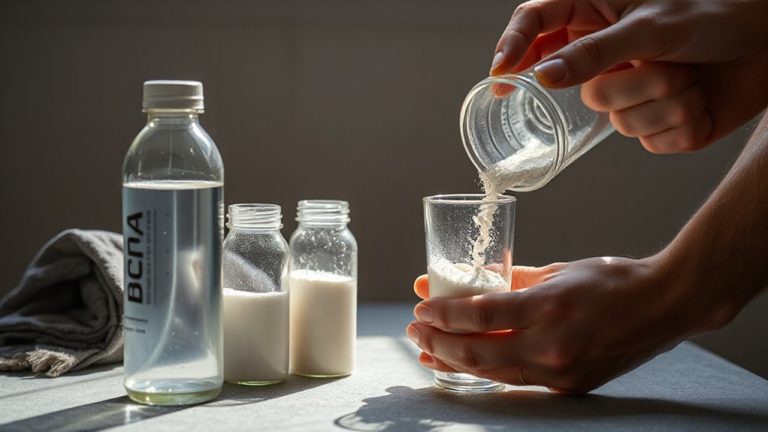
How soon after your workout should you refuel to maximize muscle repair? Ideally, you’ll consume protein within 30 to 60 minutes post-exercise-this window supports ideal protein timing for muscle synthesis. During this period, your muscles are primed to absorb nutrients, and delivering plant-based protein kickstarts recovery. While the anabolic window isn’t as narrow as once believed, timely intake does enhance gains, especially if your next meal is hours away. Research shows that consuming 20–30 grams of protein soon after training boosts muscle synthesis more effectively than delaying. Spacing protein intake throughout the day also sustains synthesis, but post-workout timing remains strategic. Don’t overlook consistency-daily protein distribution matters just as much as the post-workout moment. For vegan athletes, aligning protein timing with training demands guarantees recovery keeps pace with performance goals.
Combine Foods for Complete Amino Acids
You’ve nailed the timing-getting protein in shortly after your workout sets the stage for solid recovery-but what you eat matters just as much as when you eat it. Most plant proteins lack one or more essential amino acids, so you need smart amino acid pairing throughout the day. Think rice and beans, hummus with whole wheat pita, or peanut butter on sprouted grain bread-these combinations deliver complete protein profiles through protein complementation. You don’t need to pair them in a single meal, but consistent variety across meals guarantees your muscles get all nine essential aminos for repair and growth. While animal proteins offer a built-in full profile, plant-powered athletes can absolutely meet needs with planning. Relying on isolated sources like lentils alone won’t cut it. Strategic combining boosts both muscle recovery and long-term performance, making complementation not just theory-it’s practical fuel.
Fix Common Gaps on a Vegan Athlete’s Diet
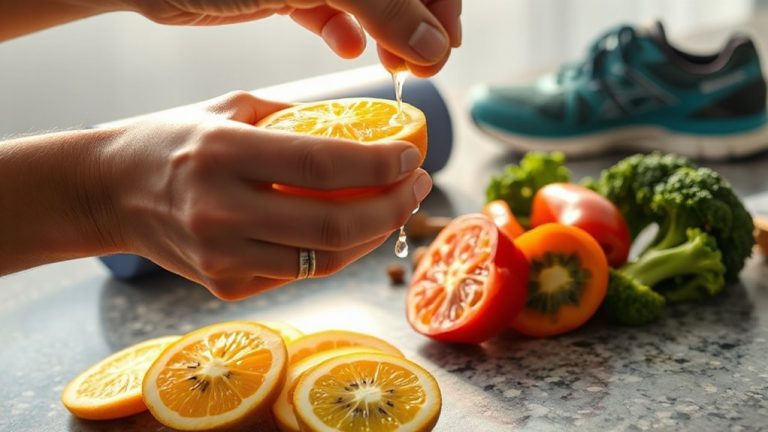
Although plant-based diets offer ample benefits for athletic performance and recovery, they often come with subtle nutritional pitfalls that can hinder your progress if left unaddressed. Key gaps include iron absorption, vitamin B12, and omega 3 sources. Pairing iron-rich foods like lentils with vitamin C enhances absorption, while algae-based supplements provide reliable omega 3 sources without relying on fish. Below are common deficiencies and practical fixes:
| Nutrient | Common Deficiency Source | Effective Vegan Fix |
|---|---|---|
| Iron | Low heme iron intake | Lentils + bell peppers |
| Omega-3 fatty acids | Limited ALA conversion | Algal oil supplements |
| Vitamin B12 | No natural plant sources | Fortified nutritional yeast |
| Zinc | Phytates reduce uptake | Soaked beans and pumpkin seeds |
Addressing these gaps guarantees peak recovery and sustained energy.
On a final note
You’re likely wondering if plant-based protein truly supports peak athletic performance-evidence says yes. Complete proteins like quinoa, soy, and chia deliver all essential amino acids needed for muscle repair. Timing matters: consuming protein within 45 minutes post-workout enhances recovery. Combining grains and legumes closes nutritional gaps. With proper planning, vegan athletes meet protein demands effectively, supporting strength, endurance, and overall fitness recovery as reliably as animal sources.