Best Strength Training Shoes for Men Who Lift Heavy
You need stability and solid ground feel when lifting heavy, so choose shoes with a wide base, firm midsole, and minimal cushioning. NOBULL Outwork delivers with its durable SuperFabric upper and flat carbon rubber outsole, while Nike Metcon 8 offers a stiff heel and secure lace system for explosive lifts. Adidas Dropset Vario provides excellent midfoot support, ideal for heavy squats and deadlifts. These models prioritize performance over comfort-exactly what serious lifters need. There’s more to take into account about fit, heel height, and long-term durability that could shift your choice.
We are supported by our audience. When you purchase through links on our site, we may earn an affiliate commission, at no extra cost for you. Learn more. Last update on 14th June 2026 / Images from Amazon Product Advertising API.
Notable Insights
- Look for a rigid heel and stable midsole to maximize power transfer and balance during heavy lifts.
- Choose shoes with a wide toe box to allow natural foot splay and improve stability under load.
- Prioritize minimal, firm cushioning to maintain ground feel and avoid excessive compression during squats and deadlifts.
- Opt for a low heel-to-toe drop (4mm or less) to enhance squat depth and lifting posture.
- Select durable, high-traction outsoles like carbon rubber to ensure grip and longevity on gym flooring.
NOBULL Outwork Men’s Weightlifting Shoes
If you’re serious about lifting heavy and need a shoe that won’t quit when the weights get tough, the NOBULL Outwork Men’s Weightlifting Shoes are built for you-think of them as your foundation in the gym, solid and uncompromising. I’ve worn them through squats, presses, and heavy pulls, and the one-piece SuperFabric upper holds up, rep after rep. The low-profile EVA midsole keeps me stable, while the wide toe box lets my feet splay naturally, improving balance. The carbon rubber outsole grips slick gym floors without sliding, even under max load. They’re not plush, but that’s the point-these shoes transfer power efficiently, keeping me grounded and aligned.
Best For: Lifters who prioritize stability, durability, and power transfer in heavy weightlifting and cross-training sessions.
Pros:
- Durable one-piece SuperFabric upper withstands intense daily training
- Wide toe box promotes natural foot splay for improved balance and control
- High-traction carbon rubber outsole delivers reliable grip on various gym surfaces
Cons:
- Minimal cushioning may feel too firm for some users, especially during high-impact or non-lifting workouts
- Narrow midfoot design could be restrictive for those with wider feet outside the forefoot
- Premium price point may not suit budget-conscious buyers
Adidas Mens Dropset Vario Training

The Adidas Men’s Dropset Vario Training shoe stands out as a top choice for lifters who prioritize stability and foot security under heavy loads. I’ve found the wide-fit construction locks my foot down securely, minimizing slippage during squats or deadlifts. The stable midsole and TPU midfoot torsion system work together to prevent unwanted roll, which I appreciate when going heavy. Breathable mesh keeps my feet cool, even during long sessions. These shoes keep me grounded and balanced, supporting controlled, powerful movements-exactly what I need when pushing limits in strength training. They’re reliable, durable, and built with purpose.
Best For: Lifters who need exceptional stability and secure foot support during heavy strength training sessions.
Pros:
- Wide-fit design ensures a secure, slip-free fit during heavy lifts like squats and deadlifts
- Stable midsole and TPU midfoot torsion system provide excellent support and prevent foot roll
- Breathable mesh upper enhances airflow, keeping feet cool during intense workouts
Cons:
- May feel too rigid or inflexible for athletes preferring minimalist or high-mobility training shoes
- Not ideal for cardio or running due to the firm, supportive construction focused on lifting
- Limited color options compared to more lifestyle-oriented training shoes
Nike Men’s Metcon 8 Sneakers

I count on the Nike Men’s Metcon 8 when my training demands unshakable stability and a secure, locked-down fit-especially during heavy lifts or explosive HIIT sessions. The built-in tape keeps laces snug, so I never worry about them coming loose mid-set. Compared to past versions, the Metcon 8 offers better resistance and a stiffer heel for maximum power transfer. The added React foam cushions impact without sacrificing ground feel, which I appreciate on sprint intervals. It’s a top-tier trainer-durable, supportive, and consistent when chasing personal records.
Best For: Strength athletes and HIIT enthusiasts who need a stable, secure, and durable training shoe for heavy lifts and high-intensity workouts.
Pros:
- Superior stability and stiff heel construction enhance power transfer during heavy lifts
- Built-in lace tape keeps laces secure, eliminating distractions during intense sets
- Responsive React foam provides impact cushioning while maintaining excellent ground feel
Cons:
- Stiff construction may feel less comfortable for extended walking or casual wear
- Narrow fit might not suit wider feet without sizing up
- Higher price point compared to general-purpose training shoes
Under Armour Men’s Charged Surge 4 Sneaker

Though serious lifters often prioritize stiffness and support, I find the Under Armour Men’s Charged Surge 4 Sneaker strikes a smart balance for those who want reliable performance without sacrificing comfort during hybrid workouts. The breathable mesh upper, reinforced with synthetic overlays, offers structure without restricting airflow. I appreciate the padded ankle collar and Deluxe Comfort System sockliner-they mold quickly to my foot for snug, irritation-free wear. The Charged Cushioning® midsole delivers responsive support, ideal for moderate lifting and cardio shifts. Durable rubber outsole? Check. It gives solid traction and flexes naturally at toe-off, making these shoes surprisingly versatile across varied routines.
Best For: Lifters and hybrid fitness enthusiasts who want a supportive, comfortable shoe that performs well across weight training, cardio, and gym-based functional movements.
Pros:
- Breathable mesh upper with synthetic overlays provides structure and keeps feet cool
- Charged Cushioning® midsole delivers responsive, durable comfort for varied workouts
- Durable rubber outsole offers reliable traction and natural flexibility during movement
Cons:
- Not as rigid as dedicated lifting shoes, limiting performance in heavy powerlifting
- Cushioning may feel too soft for those who prefer a flat, ground-level feel
- Limited ankle support for high-intensity lateral movements or agility drills
Adidas Mens Rapidmove 2 Training
You’ll find the Adidas Men’s Rapidmove 2 Training shoes especially suited if your routine demands sharp shifts and multidirectional control-think circuit training, HIIT, or functional fitness where agility and stability matter most. I’ve worn them through intense sessions, and the reinforced breathable mesh upper keeps my feet cool without sacrificing durability. The Lightstrike cushioning is lightweight yet supportive, absorbing impact during jumps and landings without feeling mushy. Whether I’m doing mountain climbers or double-unders, the shoe holds up. The adjustable lacing system locks my foot down securely, eliminating slippage. These aren’t ideal for heavy lifting, but for dynamic, fast-paced workouts, they deliver consistent, reliable performance you can trust.
Best For: Athletes and fitness enthusiasts who engage in high-intensity, dynamic workouts like HIIT, circuit training, and functional fitness that require agility, support, and breathability.
Pros:
- Reinforced breathable mesh upper provides excellent ventilation and long-lasting durability
- Lightstrike cushioning offers lightweight impact protection ideal for jumps and fast movements
- Adjustable lacing system ensures a secure, personalized fit with no foot slippage
Cons:
- Not recommended for heavy weightlifting due to limited heel stability
- May lack arch support for individuals with specific foot needs
- Durability of outsole may wear faster on rough outdoor surfaces
Under Armour Men’s Charged Assert 9 Running Shoe
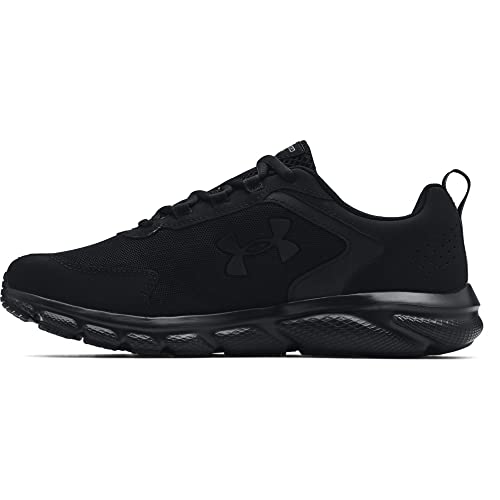
The Under Armour Men’s Charged Assert 9 Running Shoe stands out as a practical option for men who prioritize reliable support and breathable comfort during light lifting, circuit training, or gym-based cardio. I’ve found the lightweight mesh upper offers solid airflow, while the leather overlays add structure without sacrificing flexibility. The Charged Cushioning® midsole gives me responsive feedback and handles impact well, though it’s a bit too soft for heavy squats. I appreciate the durable rubber outsole in high-wear areas-it extends the shoe’s life. The 10mm heel drop suits my neutral stride, and the lace-up fit stays secure. It’s not a dedicated lifting shoe, but it performs reliably across mixed workouts.
Best For: Runners and gym-goers seeking a lightweight, breathable shoe with reliable cushioning and support for cardio, light lifting, and circuit training.
Pros:
- Lightweight mesh upper with strategic leather overlays provides breathability and midfoot stability
- Charged Cushioning® midsole offers responsive, durable comfort with good impact protection
- Durable rubber outsole in high-wear zones enhances longevity without adding weight
Cons:
- Midsole is too soft for heavy lifting or maximal stability under load
- Limited motion control, making it less ideal for overpronators
- Basic lace-up closure lacks the customized fit of boots with advanced strap systems
Factors to Consider When Choosing Strength Training Shoes for Men
You need stability and support to handle heavy lifts without wobbling, so look for a firm midfoot and a wide base. Cushioning matters, but too much can hurt your balance-opt for minimal, responsive padding that still protects joints during impact. A breathable upper, secure fit, and a durable outsole with solid traction keep you comfortable and grounded through every rep.
Stability And Support
Look for a shoe that prioritizes stability and support through smart structural design, starting with a rigid heel counter and stable midsole construction to limit excess foot motion and enhance balance when handling heavy loads. A wide base and firm midfoot support keep you steady during dynamic moves like lunges or jumps, giving you confidence under pressure. You’ll want secure lockdown across the midfoot and heel-this prevents slippage and keeps your foot aligned, especially when fatigue sets in. Minimal heel-to-toe drop (4–8mm) helps maintain a grounded stance, promoting better posture in squats and deadlifts. Durable, non-compressible midsole materials guarantee the shoe won’t collapse under max effort, preserving energy transfer and form. These features work together to deliver reliable support, so you stay safe and efficient through every rep.
Cushioning For Impact
A stable foundation doesn’t mean sacrificing protection from impact-cushioning plays a strategic role in how well your strength training shoes perform under pressure. You need minimal yet smart cushioning that maintains ground feel without dampening force transfer. Overly soft foams compress too much, wobbling under heavy loads and throwing off your balance when you’re pushing maximal weight. Instead, look for firm, dense midsoles that resist deformation, keeping your foot stable and aligned. A low heel-to-toe drop-4mm or less-reduces joint strain during squats and olympic lifts. Targeted cushioning in the heel absorbs shock where you need it, but leaves the forefoot flat and responsive. This design guarantees consistent contact with the floor, improving power output and control. You’re not chasing comfort here-you’re optimizing for stability, alignment, and efficient energy transfer with every rep.
Fit And Comfort
The right fit in strength training shoes makes a measurable difference in both performance and joint alignment, especially when lifting heavy or executing explosive movements. You need a wide toe box-your toes should splay naturally to improve balance and stability under load. Secure midfoot containment is just as critical; it stops your foot from sliding inside the shoe during dynamic lifts or lateral shifts. Look for anatomically shaped insoles that mirror your foot’s contours, boosting comfort and promoting proper alignment. Cushioning density matters too-it should offer enough impact protection without sacrificing ground feel, so you maintain control and power transfer. When the fit clicks, your entire lifting mechanics improve, reducing strain and enhancing efficiency. Don’t overlook this foundation-your performance depends on it.
Breathability And Upper Design
You’ve locked in a solid fit with ample toe splay and secure midfoot hold-now pay attention to how the shoe’s upper manages heat and movement during high-intensity sets. Breathable materials like engineered mesh let air flow freely, keeping your feet cooler and reducing moisture buildup when you’re pushing heavy loads. You’ll want reinforced uppers with synthetic overlays-they offer ventilation without sacrificing support during dynamic lifts. Seamless or one-piece constructions cut down on friction, which means fewer hot spots and blisters over time. Look for shoes with targeted ventilation zones; they boost cooling exactly where you need it, without loosening the fit. Durable, abrasion-resistant fabrics also stand up to constant contact with lifting belts and equipment, so the upper won’t fray after weeks of use. Smart upper design balances breathability, durability, and secure containment-key for consistent, high-performance training.
Traction And Outsole Durability
Even though grip might not be the first feature you notice, it’s one of the most critical when your feet are planted under heavy loads. A high-traction carbon rubber outsole gives you solid grip on both smooth gym floors and textured lifting platforms, reducing slip risk during squats or deadlifts. You’ll want durable materials that resist abrasion from dragging feet or pivoting, especially during high-rep sets or dynamic movements. Strategic rubber placement in high-wear zones-like the heel and forefoot-boosts longevity without weighing you down. A flat, non-compressible outsole keeps your base stable, improving force transfer and balance when lifting heavy. Outsole lug patterns designed for multidirectional traction support lateral, forward, and backward motion without sacrificing durability. These features together guarantee reliable performance and longer shoe life, so you stay safe and supported rep after rep.
Frequently Asked Questions
Can I Use Running Shoes for Heavy Lifting?
No, you can’t use running shoes for heavy lifting effectively. They’re designed with cushioned soles to absorb impact, which creates instability when you’re pushing heavy weights. That soft midsole compresses unevenly, shifting your balance and reducing force transfer. You’ll lose power and risk poor form. For lifting, you need a flat, firm sole and a stable heel. Running shoes lack the structural support needed, making them a poor choice for safety and performance in strength training.
Are Weightlifting Shoes Worth the Investment?
Yes, weightlifting shoes are worth the investment if you lift heavy regularly. You get a raised, stable heel that improves squat depth and alignment, plus a rigid sole that boosts force transfer. They’re built to last, with durable materials supporting intense sessions. While pricey, they enhance performance and safety, making them a smart buy for serious lifters focused on long-term gains and proper mechanics.
How Often Should I Replace My Training Shoes?
You should replace your training shoes every 6 to 12 months with regular use, depending on wear patterns and intensity. Signs like flattened soles, diminished stability, or decreased arch support mean it’s time for an upgrade. High-impact sessions accelerate deterioration, especially in the midsole. Inspecting your shoes monthly helps catch breakdown early. While durable, materials degrade over time, reducing performance and increasing injury risk-consistent maintenance and timely replacement keep your training safe and effective.
Do I Need Different Shoes for Crossfit and Lifting?
You don’t always need separate shoes, but it’s smart to have different ones if you’re serious. CrossFit demands lateral support, rope-climbing grip, and cushioning for jumps-shoes like Metcons handle that well. Lifting, though, needs a flat, stable base; minimalist or weightlifting shoes with a raised heel boost squat form. Using one shoe for both compromises performance and longevity. Match the shoe to the workout: your joints and gains depend on it.
Can I Wear Lifting Shoes Barefoot?
You can wear lifting shoes barefoot, but it’s not ideal. The shoes are designed with elevated heels and rigid soles to boost squat depth and stability, which you won’t fully benefit from if your feet shift inside. Going barefoot reduces grip and arch support, especially on hard floors. Most lifters wear thin socks to maintain feel without slipping. For best performance and hygiene, pair them with snug, low-profile socks that won’t bunch.