Top-Rated Training Shoes That Crush Every Workout
You need training shoes that handle impact, grip, and comfort without compromise. The Under Armour Charged Surge 4 delivers responsive cushioning and durable traction, ideal for gym and road. The ASICS Gel-Nimbus 27 excels in plush comfort and energy return, perfect for long runs and dynamic workouts. Both offer secure fit, breathable uppers, and support where it counts. Find out which details make the difference for your stride, routine, and recovery.
We are supported by our audience. When you purchase through links on our site, we may earn an affiliate commission, at no extra cost for you. Learn more. Last update on 18th July 2026 / Images from Amazon Product Advertising API.
Notable Insights
- Responsive midsole technologies like Charged Cushioning® and FlyteFoam Blast+ deliver energy return and lasting comfort during intense workouts.
- Breathable, engineered mesh uppers with secure fit systems ensure cooling comfort and prevent slippage during dynamic movements.
- Durable rubber outsoles with multi-directional lugs provide reliable traction for lateral cuts and varied training surfaces.
- Enhanced cushioning in the heel and ankle reduces joint impact and supports stability during high-impact or explosive exercises.
- Structured heel counters and midfoot containment offer secure lockdown, reducing injury risk and improving overall performance.
Under Armour Men’s Charged Surge 4 Sneaker
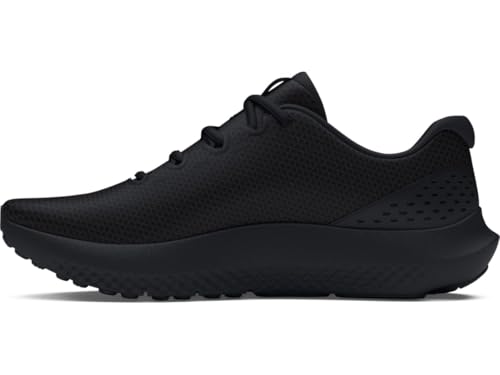
If you’re someone who values both comfort and durability in a training shoe-especially if you log long hours at the gym or on your feet all day-the Under Armour Men’s Charged Surge 4 is one of the best choices out there. I’ve worn mine daily for weeks, and the breathable mesh upper, reinforced with synthetic overlays, keeps my foot supported without overheating. The enhanced ankle collar cushions hard movements, while the Deluxe Comfort System sockliner conforms instantly to my foot’s shape-no break-in needed. Charged Cushioning® delivers snappy, lasting comfort, and the rubber outsole grips reliably, even during lateral cuts. It’s sturdy, responsive, and built for real, long-term use.
Best For: Individuals who need a durable, comfortable training shoe for extended gym sessions or all-day wear.
Pros:
- Breathable mesh upper with synthetic overlays provides support and prevents overheating
- Deluxe Comfort System sockliner molds instantly to the foot for no-break-in comfort
- Charged Cushioning® midsole and durable rubber outsole deliver responsive cushioning and reliable traction
Cons:
- Limited color options may not appeal to all users
- Sizing may run slightly narrow for those with wider feet
- Not designed for long-distance running or high-impact sports use
ASICS Men’s Gel-Nimbus 27 Running Shoes

I trust the ASICS Men’s Gel-Nimbus 27 Running Shoes most when tackling long runs that demand consistent cushioning without sacrificing responsiveness. As the 27th iteration from the Japanese brand ASICS, these shoes refine a proven legacy with updated midsole tech and a softer heel impact zone. I appreciate how the FlyteFoam Blast+ delivers lightweight, springy cushioning while maintaining structure. The engineered mesh upper hugs my foot securely, and the improved outsole enhances grip. Made for high-performance running, they balance comfort and energy return, ideal for daily training. ASICS Canada backs this durable, reliable footwear.
Best For: Runners seeking a high-performance, cushioned shoe for long-distance training with reliable comfort and responsiveness.
Pros:
- Excellent cushioning with lightweight FlyteFoam Blast+ for a springy, fatigue-reducing ride
- Secure fit and breathability thanks to engineered mesh upper
- Enhanced outsole grip and durability for varied running surfaces
Cons:
- Premium price point may not suit budget-conscious buyers
- Slightly heavier than minimalist running shoes
- Break-in period may be needed for optimal comfort
Factors to Consider When Choosing Training Shoes
You’ll want to think about cushioning and comfort first, since the right balance keeps your joints protected during repeated movements. Make sure the fit and support match your foot shape and training style, because even the most durable materials won’t help if the shoe doesn’t hold your foot securely through lateral cuts or sprints. Consider traction, flexibility, and the shoe’s intended purpose-cross-trainers won’t perform like running shoes, and mistaking one for the other can hurt both performance and longevity.
Cushioning And Comfort
While tackling high-impact workouts, your feet absorb tremendous force with every step, making cushioning a non-negotiable factor in selecting training shoes. You need shoes with responsive midsole materials-they don’t just soften impact, they bounce energy back into your stride, boosting efficiency over long sessions. Look for breathable uppers paired with padded collars; they cut down on friction and pressure, so you stay comfortable even during grueling circuits. A contoured sockliner molds to your foot right away, giving you snug, personalized comfort from day one. And don’t overlook the outsole-durable rubber with smart tread patterns keeps your footing flexible and grippy without sacrificing underfoot cushioning. These features work together to protect your joints and maintain performance. When you train hard, your shoes should do more than keep up-they should actively support your movement, stride after stride.
Fit And Support
A well-fitted training shoe strikes the right balance between snugness and room for movement, starting with about a thumb’s width of space between your longest toe and the shoe’s tip-this small gap prevents bruising and crowding during high-intensity drills or uphill sprints. You’ll want structured heel counters to lock down your rearfoot, minimizing slippage and unwanted motion when shifting directions quickly. Secure midfoot containment, achieved through supportive overlays or adaptive lacing, keeps your foot stable during explosive cuts or jumps. Make sure the arch support matches your foot type-neutral, flat, or high-so you maintain proper alignment and reduce strain. Flexible uppers offer freedom of movement without sacrificing support, letting the shoe move with you. Together, these elements give you the precise, responsive fit needed to perform safely and confidently, rep after rep.
Durability Of Materials
Stability under pressure doesn’t end with fit-it extends into how well the materials hold up over time. You need high-density rubber in the outsole because it resists abrasion from pavement and gym floors, making your shoes last longer. Reinforced toe caps and heel counters take constant pounding without collapsing, so they maintain support where you need it most. Your mesh upper should have protective overlays; they keep the lightweight, breathable fabric from tearing or stretching out after weeks of hard use. Multi-layered midsoles with compressed foam don’t break down as fast under repeated impact, giving you consistent cushioning. And while deep, multidirectional lugs improve grip, they also reduce rubber erosion during quick direction changes. You’re not just buying a shoe-you’re investing in one that can handle daily grind, rep after rep, without falling apart on you.
Traction And Flexibility
Because your training demands quick cuts, sudden stops, and seamless shifts, traction and flexibility aren’t just bonuses-they’re essential. You need durable rubber outsoles with strategic tread patterns to maintain grip on both dry and wet surfaces, giving you confidence during explosive moves. Multi-directional lugs enhance traction during lateral drills, ensuring stability when you change direction fast. Flexibility in the forefoot supports natural toe-off, reducing strain and improving efficiency with every rep. A segmented outsole combined with a flexible midsole lets your foot bend smoothly, especially during high-repetition circuits. But great traction doesn’t mean sticky resistance-it’s about balance. Your shoes should offer secure grip while allowing fluid movements, so your momentum isn’t interrupted. When traction and flexibility work together, your performance stays sharp, safe, and seamless across dynamic movements.
Purpose And Performance
Your foot stays agile and gripped through sharp cuts and fast direction changes, but how well your training shoe supports your overall workout depends on matching its design to your activity. If you’re jumping or sprinting, you need maximum cushioning-shoes with responsive midsoles absorb impact and protect your joints. For lateral-heavy routines like agility drills or HIIT, stiff sidewalls and reinforced midfeet offer stability during sudden shifts. Don’t overlook the upper: breathable mesh keeps your feet cool and dry, while lightweight synthetics maintain structure without trapping heat. Durable rubber in high-wear zones grips floors and resists wear from constant pivoting or dragging. A shoe built for cross-training won’t perform the same as one tuned for long runs-prioritize purpose, and you’ll get better performance, longer life, and fewer injuries. Choose smart, and your shoes won’t just keep up-they’ll elevate your work.
Frequently Asked Questions
How Long Do Training Shoes Typically Last?
You typically get 6 to 12 months from training shoes, depending on your workout frequency and intensity. If you train four or more days weekly, you’ll likely need new shoes every six months. Look for worn treads, flattened midsoles, or reduced support-these signal it’s time for a replacement. High-impact moves like jumping or lifting speed up wear. Rotating multiple pairs helps extend their life. Always check cushioning and stability, since degraded shoes increase injury risk and lessen performance over time.
Can I Use Training Shoes for Running?
You shouldn’t use training shoes for running regularly-they’re built for different movements. Training shoes offer lateral support and a stable sole, great for gym workouts, but lack the cushioning and heel-to-toe drop needed for running. Over time, you’ll risk discomfort or injury. Running shoes absorb impact better and guide your stride. If you mix light jogging with training, it’s okay occasionally, but dedicated runs demand proper running footwear for safety and performance.
Are Training Shoes Suitable for Flat Feet?
You can use training shoes for flat feet, but they’re not always ideal. Flat feet need strong arch support and stability-features many training shoes lack since they prioritize lateral support over longitudinal structure. You’ll find some models with firm midsoles and motion control help, but check for structured arches and heel counters. If you overpronate, dedicated stability or orthotic-friendly shoes are better. Always test them during dynamic movements to guarantee they support your foot’s natural alignment without causing strain.
Do Training Shoes Need a Break-In Period?
You don’t always need a break-in period, but most training shoes perform better after a short adjustment phase. Modern designs often use pre-softened midsoles and flexible uppers, letting you wear them right away. Still, you’ll notice improved comfort and fit after a few workouts as the materials conform to your feet. Skipping break-in can lead to blisters or pressure spots, so ease into intense sessions. Properly breaking them in extends shoe life and boosts performance.
Can I Wash My Training Shoes in a Machine?
You can wash your training shoes in a machine, but you shouldn’t unless absolutely necessary. The agitation and moisture damage adhesives and midsole foams over time, reducing cushioning and stability. Instead, hand wash with mild soap and a soft brush-target stains and odors without compromising structural integrity. Remove insoles and laces first, then air dry away from direct heat. Machine washing weakens materials rapidly, shortening your shoe’s lifespan and diminishing performance during high-impact sessions.